
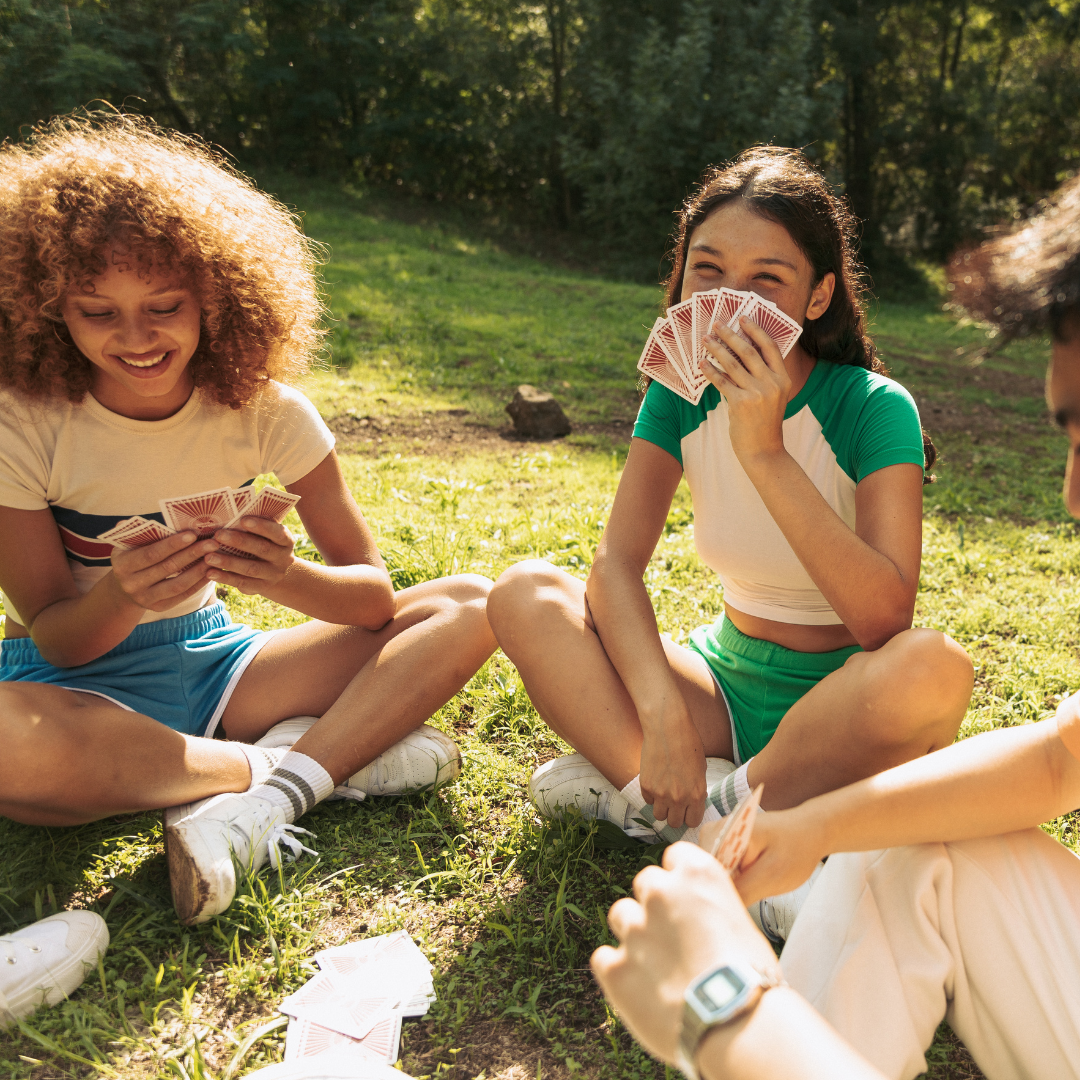
Friendship plays a major role in a child’s happiness and emotional wellbeing. Positive friendships help children feel supported, confident, and connected. They also contribute to resilience, communication skills, and overall mental health. Yet making new friends isn’t always easy—especially in today’s world of busy schedules, structured activities, and digital distractions.
Summer camp provides a unique environment where friendships form naturally. Away from school pressures and daily routines, kids connect through shared experiences, teamwork, and fun. For many children, camp becomes the place where they build friendships that last for years.
Here’s how summer camp helps children develop friendships that often continue long after summer ends.
Shared Experiences Create Instant Connections
One of the fastest ways friendships form is through shared experiences. When children try new things together, celebrate successes, and overcome challenges side-by-side, strong bonds develop quickly.
At camp, children often:
- Try activities they’ve never experienced before
- Solve challenges as part of a team
- Celebrate achievements together
- Support one another through small fears or uncertainties
These shared moments create emotional connections that feel meaningful and memorable. Camp friendships often feel deeper because children experience so much together in a short period of time.
Camp Removes Social Pressure
School environments can sometimes feel socially complicated. Children may worry about fitting in, existing social groups, or peer expectations. Summer camp offers a fresh start.
At camp:
- Everyone is new
- Social groups reset
- Children can explore new interests
- Personalities shine without labels
Without existing social pressures, children feel more comfortable reaching out and connecting with others. This environment encourages authenticity and makes it easier for friendships to begin.
Teamwork Encourages Collaboration
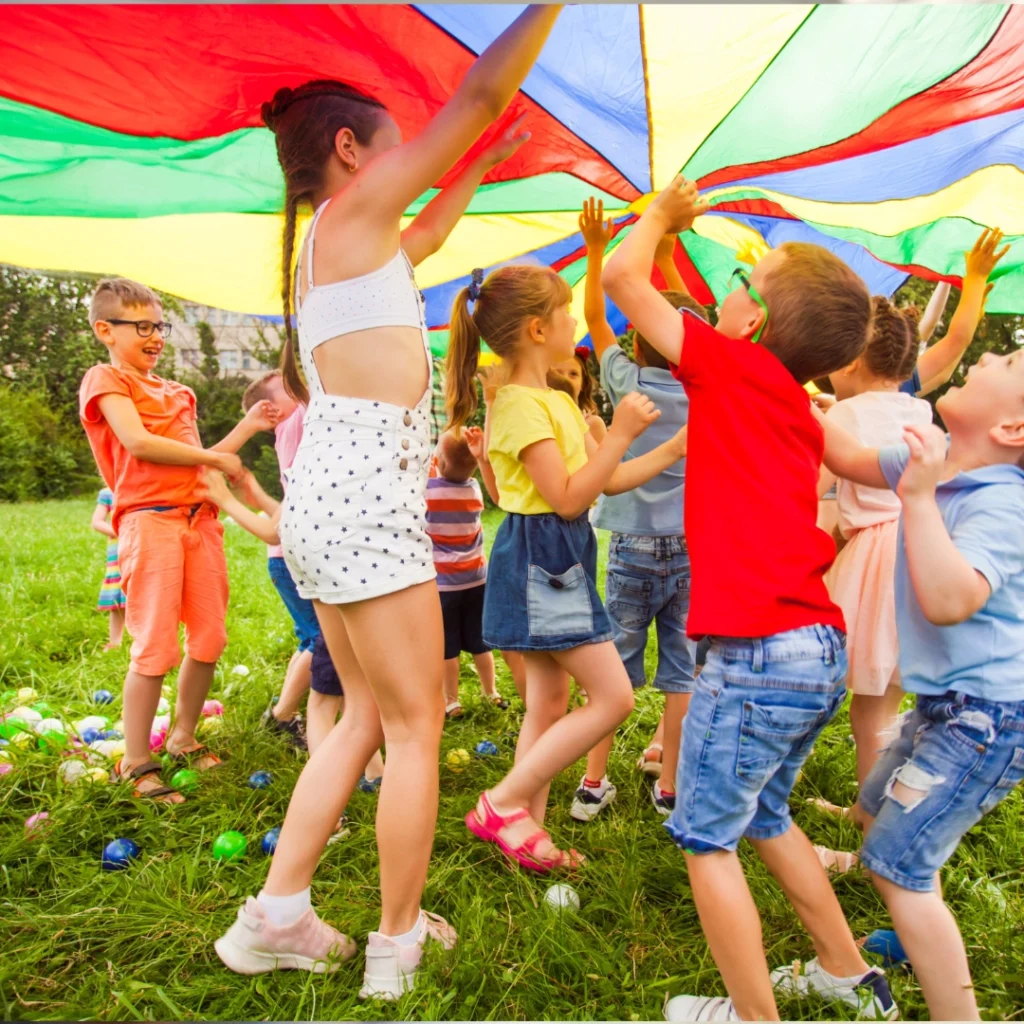
Many camp activities are designed around teamwork. Whether participating in sports, creative projects, or outdoor adventures, children work together toward shared goals.
Through teamwork, children learn to:
- Cooperate and share ideas
- Encourage and support teammates
- Solve problems together
- Celebrate group success
Working toward common goals naturally builds trust and connection, helping friendships grow in meaningful ways.
Unplugged Time Strengthens Real Connections
Many camps limit or completely remove screen time. This simple change has a powerful effect on friendship development.
Without phones, tablets, or social media competing for attention, children:
- Talk more face-to-face
- Engage fully in activities
- Practice listening and empathy
- Stay present in shared experiences
This unplugged environment creates space for real connection. Children learn how to communicate, collaborate, and enjoy each other’s company in the moment.
Camp Encourages Inclusion and Kindness
High-quality camps intentionally create welcoming and inclusive communities. Staff often model kindness and encourage campers to support one another.
Campers are encouraged to:
- Invite others to join activities
- Celebrate each other’s successes
- Help new campers feel comfortable
- Practice empathy and kindness
These values create a safe environment where friendships can grow naturally and where every child feels they belong.
Living and Playing Together Builds Bonds
Unlike school, where children may only see peers for short periods, camp provides extended time together each day. This consistent interaction allows friendships to deepen more quickly.
Campers often:
- Share meals together
- Participate in daily activities
- Laugh and relax during downtime
- Create traditions and inside jokes
This extended time together helps friendships grow stronger and more meaningful.
Confidence Helps Friendships Grow
Camp experiences often boost confidence, and confident children find it easier to make and maintain friendships.
When children feel:
- Proud of new achievements
- Supported by counsellors
- Comfortable trying new activities
They become more open to connecting with others. Confidence and friendship often grow together, creating a positive cycle of social development.
Friendships Continue After Camp
Many camp friendships extend far beyond the summer months. Children often:
- Stay in touch throughout the school year
- Look forward to reuniting each summer
- Maintain friendships for years
Shared camp experiences create strong emotional bonds that make it easy to stay connected over time.
Social Skills That Last a Lifetime
Camp provides daily opportunities to practice essential social skills, including:
- Communication and active listening
- Conflict resolution
- Empathy and kindness
- Teamwork and leadership
These skills support healthy friendships both at camp and in everyday life. Children return home more comfortable meeting new people, joining group activities, and building positive relationships.
Final Thoughts
Summer camp offers a unique environment where friendships grow naturally through shared experiences, teamwork, and supportive communities. Away from screens and social pressures, children learn how to connect in meaningful ways.
For many kids, camp becomes the place where they form some of their strongest and happiest friendships. Beyond fun and adventure, camp helps children develop the social skills and confidence they need to build meaningful connections throughout their lives.
In the end, the friendships formed at camp often become some of childhood’s most treasured memories—and can last a lifetime.
Leave a Reply
You must be logged in to post a comment.