Why Summer Camp Builds Confidence Faster Than School Alone
Confidence is one of the most important skills children can develop. Confident kids are more willing to try new things, speak up in class, build friendships, and handle challenges. While school plays an essential role in a child’s growth, summer camp offers a unique environment where confidence can develop faster and more naturally.
Unlike school, camp removes academic pressure and replaces it with encouragement, exploration, and hands-on experiences. Children are free to take risks, try new activities, and discover their strengths without worrying about grades or comparison. The result is powerful: kids return home feeling more capable, independent, and proud of themselves.
Let’s explore why summer camp is one of the most effective confidence-building experiences for children and teens.
Camp Encourages Trying New Things
Confidence grows when children step outside their comfort zones and succeed. Summer camp is full of new experiences that encourage kids to try activities they may never attempt at home or school.
Campers might:
- Climb a rock wall
- Perform in a talent show
- Try canoeing or kayaking
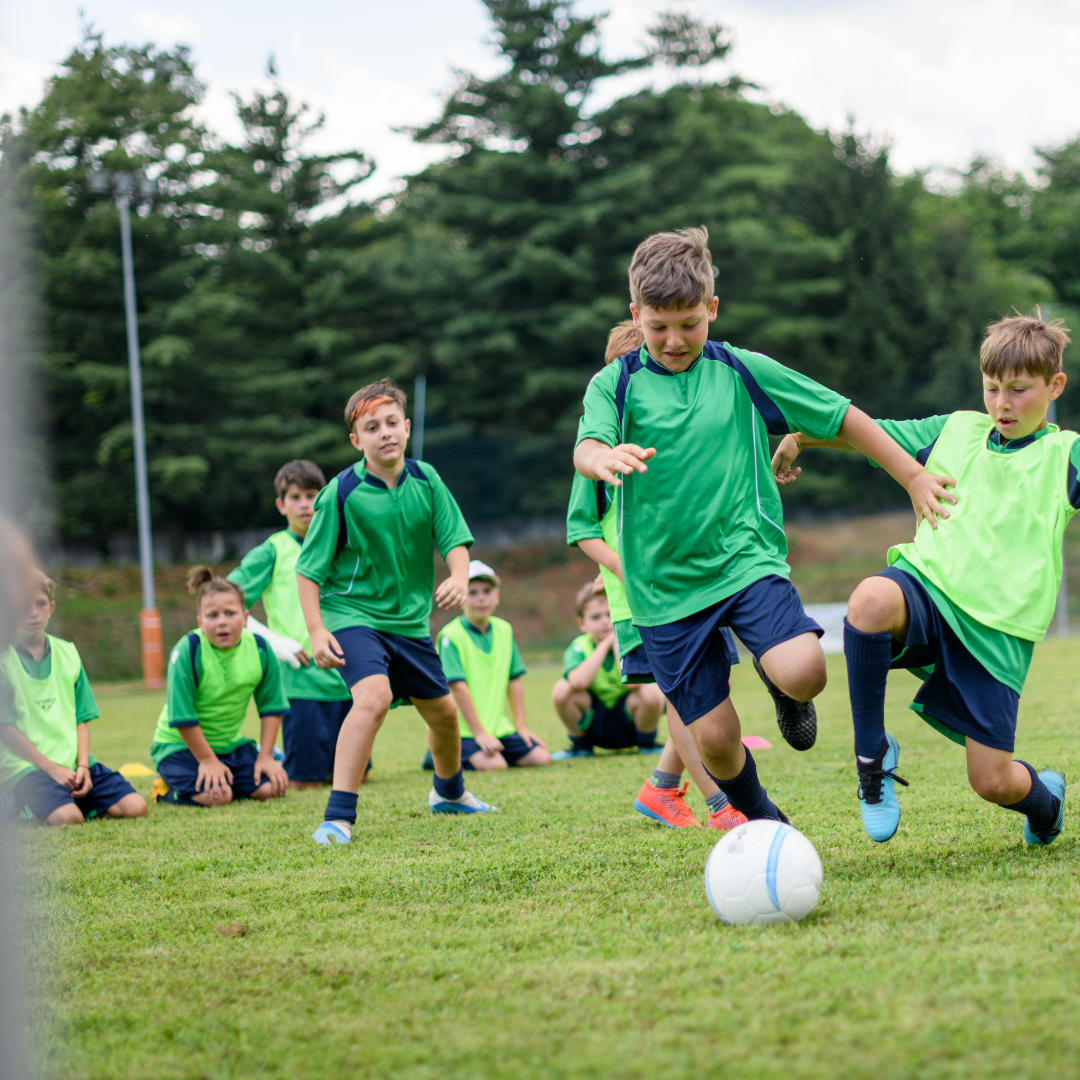
- Learn a new sport
- Participate in group challenges
- Explore creative arts
At school, fear of failure or comparison can sometimes hold kids back. At camp, the focus is on effort, participation, and fun rather than performance or grades. This supportive atmosphere helps children feel safe trying new things without fear of judgment.
When kids realize they can do things that once felt scary or unfamiliar, their confidence begins to grow rapidly.
Small Successes Create Big Confidence
Confidence doesn’t appear overnight—it grows through small victories. Camp provides dozens of opportunities every day for children to succeed in new ways.
Simple achievements such as:
- Completing a hiking trail
- Learning a new skill
- Making a new friend
- Finishing a creative project
- Solving a problem independently
Each small success reinforces the belief: “I can do this.” Over time, these small wins add up and build strong self-confidence that carries into many areas of life.
Camp is especially powerful because children experience multiple successes in a short period of time. The more success they experience, the stronger their self-belief becomes.
Independence Builds Self-Belief
One of the biggest confidence boosters at camp is independence. Being away from parents for the day or week gives children the chance to develop self-reliance in a safe and supportive environment.
At camp, kids learn to:
- Organize their belongings
- Follow daily schedules
- Make choices about activities
- Ask for help when needed
- Solve small challenges independently
These experiences teach children that they are capable of handling new situations on their own. This growing independence strengthens self-esteem and self-trust.
When children realize they can manage daily routines and challenges without constant help, their confidence grows quickly.
Supportive Mentors Make a Huge Difference
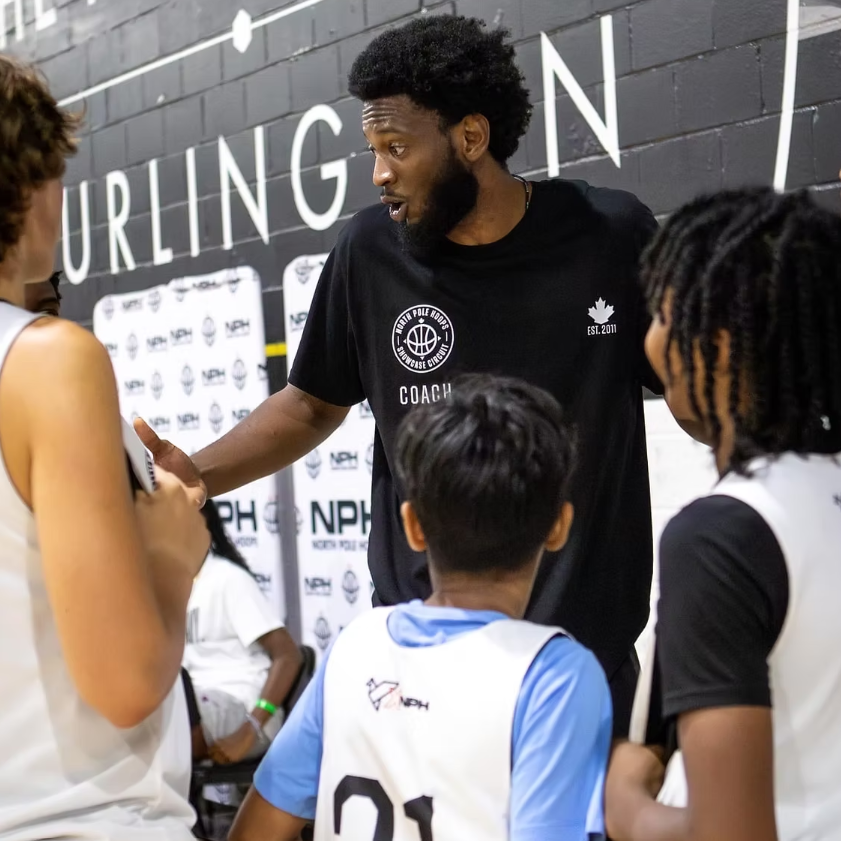
Camp counsellors play a powerful role in building confidence. They are trained to encourage effort, celebrate progress, and provide positive reinforcement.
Counsellors often:
- Recognize effort over perfection
- Encourage teamwork and kindness
- Help children overcome fears
- Celebrate achievements and progress
Positive role models who believe in children help them learn to believe in themselves. Encouragement from a trusted adult can have a lasting impact on a child’s self-confidence.
Camp Reduces Fear of Failure
At camp, mistakes are part of the adventure. Whether missing a shot in sports, struggling to learn a new skill, or getting lost during a game, children are encouraged to keep trying.
This environment teaches kids that:
- Mistakes are part of learning
- Effort matters more than perfection
- Challenges can be overcome
- Trying again leads to improvement
Learning to handle failure in a supportive environment builds resilience and confidence that lasts long after summer ends.
Social Confidence Grows Quickly
Confidence isn’t only about skills—it’s also about social comfort. Camp provides daily opportunities for children to meet new people and practice communication skills.
Children learn to:
- Introduce themselves
- Join group activities
- Work in teams
- Express their ideas
- Resolve small conflicts
As social confidence grows, children feel more comfortable participating in school and other social settings. Many parents notice that children return from camp more outgoing and willing to connect with others.
A Break From Academic Pressure Helps Kids Thrive
School can sometimes feel stressful for children. Tests, homework, and academic expectations can make kids worry about making mistakes.
Camp provides a refreshing break from academic pressure while still encouraging growth and learning. Without the fear of grades or comparison, children feel freer to explore their interests and take healthy risks.
This freedom allows confidence to grow more naturally and quickly.
Confidence Transfers to School and Daily Life
The confidence built at camp doesn’t stay at camp. Children often return home more willing to:
- Participate in class
- Try new extracurricular activities
- Speak up and share ideas
- Take healthy risks
- Approach new situations with optimism
Confidence gained at camp supports long-term academic and personal success.
Final Thoughts
Summer camp provides a powerful environment where children discover what they are capable of achieving. Through new experiences, independence, supportive mentors, and social growth, kids develop confidence that lasts far beyond summer.
For many children, camp is where confidence truly begins to grow—and where they start to see just how capable they really are.