Author: Sebastian Martinez

  • Choosing the Right Type of Summer Camp for Your Child’s Interests

    Choosing the Right Type of Summer Camp for Your Child’s Interests

    Introduction

    One of the most exciting parts of planning summer camp is discovering just how many options exist. Gone are the days when camp meant only canoeing, campfires, and cabin life. Today, families can choose from sports camps, arts camps, STEM camps, outdoor adventure programs, leadership camps, and many other specialized experiences.

    While this variety is exciting, it can also feel overwhelming. Many parents ask the same question: How do I choose the right type of summer camp for my child?

    The answer lies in finding a program that matches your child’s interests, personality, and developmental needs. When the fit is right, camp becomes a place where children feel motivated, confident, and eager to return year after year.

    Let’s explore the most common types of summer camps and how to choose the best one for your child.


    Why Choosing the Right Camp Type Matters

    Children thrive when they feel engaged and excited about what they’re doing. A camp aligned with your child’s interests can:

    • Boost confidence
    • Encourage participation and curiosity
    • Help kids make friends with similar interests
    • Increase motivation to learn new skills

    When children feel connected to the activities around them, they are more likely to fully enjoy the experience and grow from it. Choosing the right camp type turns summer into a meaningful and memorable season.


    Sports Camps: For Active and Energetic Kids

    Sports camps focus on physical activity, teamwork, and athletic skill development. Popular options include soccer, basketball, swimming, gymnastics, martial arts, and multi-sport programs.

    Sports camps are ideal for children who:

    • Love movement and physical activity
    • Enjoy team environments
    • Want to improve athletic abilities
    • Thrive in structured settings

    Beyond physical fitness, sports camps teach perseverance, teamwork, goal setting, and discipline. Children also learn how to handle wins and losses in a supportive environment, building resilience and emotional growth.


    Arts and Creative Camps: For Imaginative Kids

    Creative camps focus on self-expression and artistic exploration. Activities may include:

    • Visual arts and crafts
    • Drama and theatre
    • Dance and music
    • Film and photography

    These camps are perfect for children who enjoy hands-on projects and creative storytelling. They are especially helpful for kids who prefer expressive activities over competition.

    Creative camps help children:

    • Build confidence in their abilities
    • Explore new forms of expression
    • Develop problem-solving skills
    • Gain comfort performing or sharing ideas

    For many children, creative camps become a safe space where they feel comfortable being themselves.


    STEM Camps: For Curious and Problem-Solving Kids

    STEM camps focus on science, technology, engineering, and math through hands-on learning and experiments.

    Campers might explore:

    • Coding and robotics
    • Engineering challenges
    • Science experiments
    • Game design and technology

    These camps are ideal for children who love asking questions, building things, and figuring out how the world works.

    STEM camps transform learning into exciting, interactive experiences. Kids often leave feeling inspired and more confident in academic subjects, especially science and technology.


    Outdoor Adventure Camps: For Nature-Loving Kids

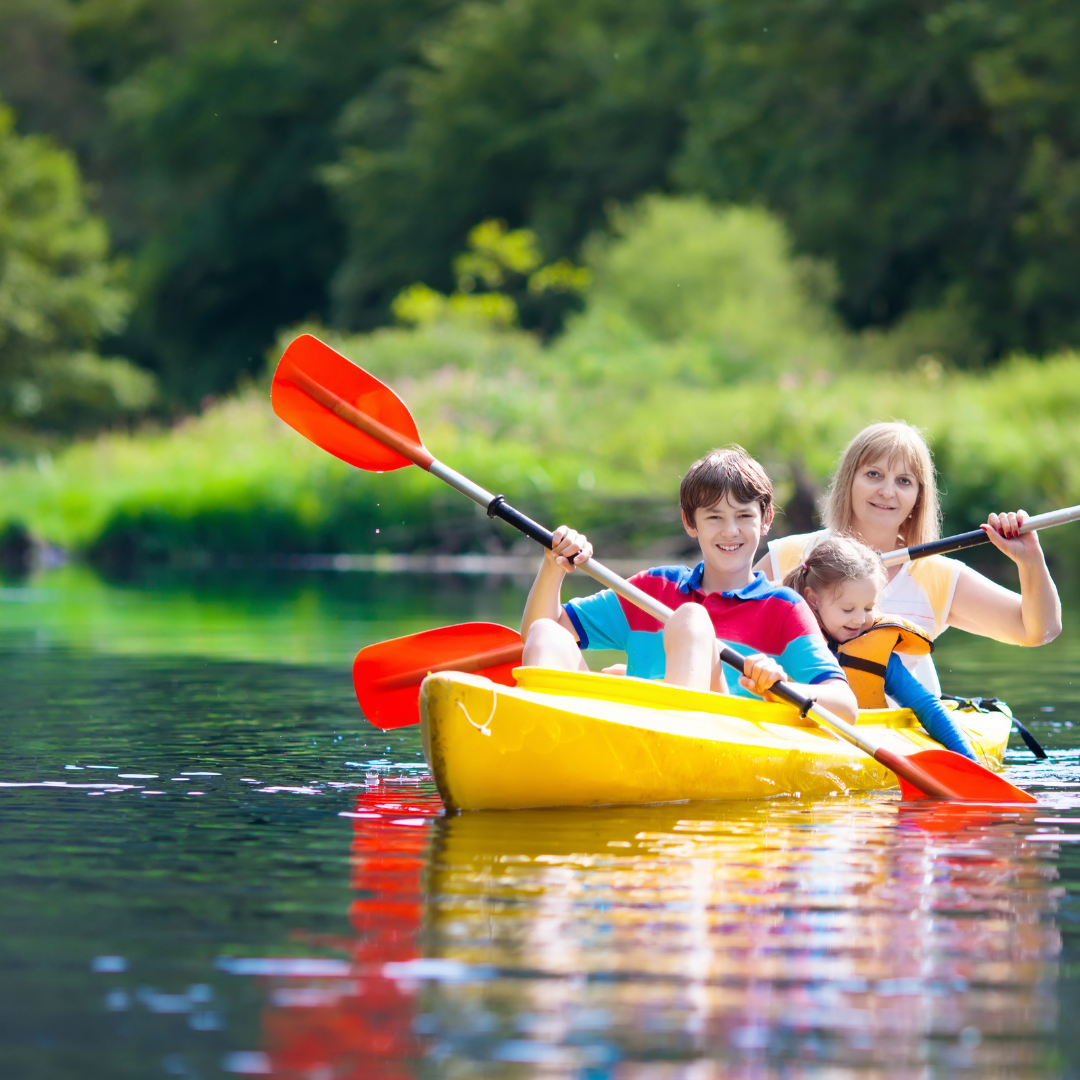
    Outdoor camps focus on exploration and adventure. Activities may include hiking, canoeing, rock climbing, camping skills, and nature education.

    Outdoor camps help children:

    • Build resilience and independence
    • Connect with nature
    • Develop teamwork skills
    • Gain confidence through challenges

    These camps are ideal for children who enjoy exploring, moving, and spending time outside. They also encourage children to step away from screens and engage with the real world.


    Leadership Camps: For Growing Confidence

    Leadership camps focus on communication, teamwork, and personal growth. These programs are especially beneficial for pre-teens and teens preparing for future responsibilities.

    Children learn:

    • Public speaking
    • Goal setting
    • Team leadership
    • Problem-solving skills

    Leadership camps help children build confidence and develop skills that benefit school, extracurricular activities, and future careers.


    How to Match Camp to Personality

    Your child’s personality plays an important role in choosing the right camp.

    Consider the following:

    • Introverted children may enjoy smaller, specialized camps.
    • Highly social children may thrive in large group environments.
    • Active children may love sports or outdoor camps.
    • Creative children may prefer arts or music camps.

    There is no “perfect” camp—only the best fit for your child’s unique personality.


    Ask Your Child for Input

    Involving your child in the decision-making process helps build excitement and confidence.

    Ask questions such as:

    • What activities sound fun?
    • What would you like to learn this summer?
    • Do you want to try something new or build existing skills?

    Children are more enthusiastic about camp when they feel included and heard.


    Trying Different Camps Over the Years

    Many families explore different camp types each summer. This approach allows children to:

    • Discover new interests
    • Build a wide range of skills
    • Find passions over time

    Summer camp can grow and change along with your child.


    Final Thoughts

    Choosing the right type of summer camp is about finding a place where your child feels excited, supported, and inspired. When interests and environment align, camp becomes much more than childcare—it becomes a powerful experience that builds confidence, friendships, and lifelong memories.

  • Are Summer Camps Worth the Cost? A Parent’s Budget Guide

    Are Summer Camps Worth the Cost? A Parent’s Budget Guide

    Introduction

    Summer camp can feel like a big investment. As registration season approaches, many parents find themselves asking the same question: Is summer camp really worth the cost?

    At first glance, camp fees can seem high, especially when families are already budgeting for vacations, childcare, and extracurricular activities. But when you look beyond the weekly price tag, summer camp often provides far more value than parents initially realize.

    Camp offers childcare, enrichment, social development, physical activity, and real-world life skills—all in one structured environment. When viewed through this broader lens, summer camp becomes less of a luxury and more of an investment in your child’s growth.

    Let’s break down the real cost of summer camp and explore practical ways to make it fit your family’s budget.


    Why Summer Camp Can Feel Expensive

    Understanding what goes into camp pricing can help parents feel more confident about the investment. Camp fees aren’t just paying for activities—they support the entire infrastructure required to create a safe, enriching environment for children.

    Camp costs typically include trained staff, supervision, equipment, program supplies, facility maintenance, insurance, safety training, and planning. Camps also invest in certifications, first aid training, and program development to ensure children are safe and engaged.

    When you consider everything included, camp begins to look more like a full-service program rather than a simple weekly activity.


    What Summer Camp Really Replaces

    One of the most helpful ways to evaluate the cost of summer camp is to compare it to the alternatives families would otherwise need during the summer months.

    For many families, camp replaces multiple expenses at once. It often serves as childcare while school is out, eliminating the need for additional babysitting or daycare. Camp can also replace sports leagues, art classes, tutoring, and weekly entertainment outings.

    Instead of paying separately for each activity, families receive a comprehensive program that combines learning, play, and supervision. This bundled value makes camp more cost-effective than it first appears.


    The Value Beyond Childcare

    While childcare is a major benefit, summer camp offers much more than supervision. Camp provides experiences that support a child’s emotional, social, and physical development.

    Children spend their days building friendships, practicing teamwork, and learning communication skills. They stay active through sports and outdoor play, reducing screen time and encouraging healthy habits. They also develop confidence and independence as they navigate new experiences.

    These benefits are difficult to measure financially, but they can have lasting effects on a child’s growth and well-being.


    Day Camp vs Overnight Camp: Understanding the Cost Difference

    Summer camps vary widely in pricing, and one of the biggest factors is whether the program is a day camp or an overnight camp.

    Day camps typically have a lower weekly cost because children return home each evening. Overnight camps, on the other hand, include accommodations, meals, evening programming, and 24-hour supervision. This immersive experience naturally comes with a higher price tag.

    Neither option is better—it simply depends on your child’s readiness and your family’s budget. Many families begin with day camp and consider overnight camp as children grow older.


    Smart Budgeting Tips for Parents

    There are many ways to make summer camp more affordable. A little planning can go a long way in reducing the financial pressure.

    Registering early is one of the best ways to save money. Many camps offer early bird discounts for families who sign up months in advance. Some camps also provide reduced rates for siblings or offer discounts when multiple weeks are booked at once.

    Payment plans are another helpful option. Instead of paying the full amount upfront, families can spread the cost over several months, making budgeting easier and more manageable.

    Parents should also explore available tax credits and employer benefits. In many cases, summer camp expenses may qualify for childcare credits or flexible spending accounts.

    Finally, remember that camp doesn’t need to fill the entire summer. Even one or two weeks of camp can provide meaningful benefits and memorable experiences.


    Considering the Long-Term Value

    When thinking about cost, it’s helpful to look beyond the current summer and consider the long-term value of camp experiences.

    Summer camp helps children develop skills that last far beyond childhood. Confidence, independence, leadership, and social skills are all nurtured through camp experiences. These traits support academic success, friendships, and future career development.

    Many parents notice that children return from camp more mature, more willing to try new activities, and more confident in social situations. These long-term benefits make camp an investment in personal development.


    When Summer Camp Is Worth the Investment

    Summer camp is especially valuable for families who want their children to stay active, reduce screen time, make new friends, and try new experiences. Camp provides structure and engagement during months when routines can otherwise become unstructured.

    For many families, summer camp becomes an annual tradition because of the positive impact it has on their children’s confidence and happiness.


    Final Thoughts

    Summer camp is more than a weekly fee—it’s an investment in your child’s growth, confidence, and development. When viewed through the lens of long-term value, many parents find that summer camp is absolutely worth it.

    With thoughtful planning and budgeting, camp can become an accessible and meaningful part of your family’s summer routine.

  • How Summer Camps Help Kids Make New Friends and Build Social Skills

    How Summer Camps Help Kids Make New Friends and Build Social Skills

    Introduction

    For many parents, one of the biggest hopes for summer camp is simple:
    “I just want my child to make friends.”

    Friendship and social confidence are essential parts of childhood development, yet they don’t always come easily. Some children are naturally outgoing, while others feel shy, unsure, or anxious in social situations. School can sometimes make social growth harder because routines, friend groups, and academic pressure limit opportunities to practice new social skills.

    Summer camp creates a unique environment where children naturally build friendships and social confidence. Without the pressures of grades and classroom expectations, kids are free to connect, communicate, and collaborate in ways that feel fun and natural.

    Let’s explore why camp is one of the best environments for helping kids connect with others and build lasting friendships.


    Why Summer Camp Is a Social Skills Supercharger

    Unlike school, camp replaces academic pressure with shared experiences, teamwork, creativity, and play. Children spend long stretches of time together working toward common goals, trying new activities, and solving challenges as a group.

    Camp environments naturally encourage:

    • Communication
    • Cooperation
    • Empathy
    • Teamwork
    • Confidence

    These are the building blocks of strong friendships and healthy social development.


    1. Everyone Starts Fresh at Camp

    One of the biggest social advantages of camp is that everyone is new.

    At school, children can feel stuck in labels or roles they’ve had for years. Friend groups may already be established, and kids sometimes feel pressure to act a certain way.

    Camp removes those barriers.

    Children aren’t limited by:

    • School labels
    • Existing friend groups
    • Classroom expectations
    • Academic pressure

    This fresh start allows kids to show new sides of themselves and build friendships from scratch. For many children, camp becomes a place where they feel free to be themselves.


    2. Shared Experiences Build Strong Bonds

    Friendships grow quickly when children share meaningful experiences.

    At camp, kids:

    • Play games together
    • Solve challenges as a team
    • Learn new skills side by side
    • Share meals and daily routines
    • Celebrate successes together

    Spending entire days together accelerates friendship building in a way school schedules often can’t. A week at camp can feel like months of bonding because of the time and experiences shared.


    3. Camp Encourages Face-to-Face Interaction

    Modern childhood includes a lot of screen time. While technology can be helpful, it doesn’t replace real-world social interaction.

    At camp, children spend less time on devices and more time engaging with people in person. They practice:

    • Reading social cues
    • Listening actively
    • Expressing thoughts clearly
    • Working through disagreements

    These skills are essential for long-term social confidence and emotional intelligence.


    4. Camp Builds Communication Skills

    Many camp activities depend on teamwork and communication. Whether it’s sports, arts, or outdoor adventures, kids must talk, listen, and collaborate.

    Children learn how to:

    • Share ideas
    • Listen to others
    • Work as a team
    • Speak up respectfully
    • Ask for help when needed

    As children become more comfortable expressing themselves, their confidence grows. Strong communication skills support both friendships and academic success.


    5. Camp Helps Shy Kids Come Out of Their Shell

    Not every child finds social situations easy. For shy or reserved kids, camp can be a gentle and supportive environment to practice connecting with others.

    Camp staff intentionally create welcoming and inclusive environments. Counsellors help:

    • Introduce campers to each other
    • Encourage group participation
    • Support shy children
    • Foster teamwork and belonging

    Many shy children make their first close friendships at camp, which can be a life-changing experience.


    6. Learning to Navigate Conflict

    Conflict is a natural part of friendships. Disagreements happen, and learning how to handle them is an important life skill.

    Camp provides safe opportunities for children to practice:

    • Sharing
    • Compromise
    • Apologizing
    • Problem-solving
    • Respecting different opinions

    With guidance from counsellors, children learn how to resolve conflicts in healthy ways. These skills are essential for lifelong relationships.


    7. Belonging Builds Confidence

    Feeling like you belong is powerful.

    When children feel accepted and valued by peers, they develop:

    • Self-esteem
    • Emotional security
    • Social confidence

    Camp helps children discover they can make friends in new environments. This realization often carries into school, sports, and other activities.


    8. Friendships That Last Beyond Summer

    Many camp friendships last for years. Kids often:

    • Return to camp together each summer
    • Stay connected during the school year
    • Look forward to reuniting annually

    These friendships become an important and joyful part of childhood memories.


    9. Social Skills Transfer to School and Life

    The social confidence children build at camp doesn’t stay at camp.

    Parents frequently notice children becoming more social and confident in:

    • School classrooms
    • Sports teams
    • Clubs and extracurricular activities
    • Community events

    Camp gives children the tools to make friends wherever they go.


    Final Thoughts

    Summer camp offers a powerful opportunity for children to build friendships and develop social confidence in a supportive, fun environment.

    For many kids, camp becomes the place where they learn one important truth:

    “I can make friends anywhere.”

  • How Summer Camps Help Kids Build Confidence and Independence

    How Summer Camps Help Kids Build Confidence and Independence


    Introduction

    Confidence and independence are two of the most valuable life skills children can develop. These traits shape how kids approach challenges, friendships, school, and eventually their careers. Yet confidence doesn’t grow from lectures, worksheets, or reminders to “be brave.” It grows from real experiences — from trying, failing, succeeding, and discovering what they’re capable of.

    Summer camp creates the perfect environment for this type of growth. Away from the pressures of school and the routines of home, children are given the opportunity to explore, make decisions, and learn who they are. Camp offers a safe space where kids can stretch their comfort zones, take healthy risks, and build belief in themselves.

    Let’s explore how summer camp helps children become more confident, independent, and capable.


    Why Confidence and Independence Matter

    Children who develop confidence and independence early tend to approach life differently. They are more willing to try new experiences, solve problems creatively, communicate clearly, and bounce back after setbacks. These skills benefit children not only during childhood but throughout adolescence and adulthood.

    Confidence helps children trust their abilities. Independence helps them take action. Together, these skills create resilience — the ability to handle challenges and keep moving forward.

    Summer camp provides the real-world practice children need to build these traits naturally.


    Camp Provides Safe and Supportive Challenges

    Confidence grows when children face challenges that feel manageable and achievable. At camp, kids are constantly exposed to new activities and experiences. They might try a sport they’ve never played, perform in a talent show, build something creative, or tackle an outdoor adventure.

    These challenges are designed to be supportive, not overwhelming. Camp staff encourage effort, celebrate progress, and focus on participation rather than perfection. When children accomplish something they once felt unsure about, their belief in themselves grows.

    Each small success builds on the next, creating a powerful sense of capability.


    Kids Learn to Make Everyday Decisions

    At home, parents naturally make many daily decisions for their children. At camp, kids begin to take ownership of small choices. They decide which activities to try, how to manage their time, what to pack for the day, and how to solve minor problems.

    These decisions may seem simple, but they play a huge role in developing independence. Children learn to trust their judgment and understand that their choices matter.

    Over time, these small decisions build confidence in their ability to handle bigger responsibilities.


    Time Away From Parents Builds Self-Reliance

    One of the most transformative parts of summer camp is time spent away from parents. Even at day camp, children spend hours navigating their day without immediate family support. At overnight camp, this independence grows even more.

    Being away from home helps children learn that they can take care of themselves, ask for help when needed, and adapt to new situations. They begin to trust their abilities and feel proud of their independence.

    Parents often notice that children return from camp more self-reliant and confident in their daily routines.


    Camp Encourages Trying New Things

    Camp environments encourage exploration and curiosity. Because camp activities are often different from school or home routines, children feel more comfortable stepping outside their comfort zones.

    Trying new things teaches children that mistakes are part of learning. They begin to understand that effort matters more than perfection. This growth mindset is essential for building long-term confidence.

    When children realize they can try, fail, and try again in a supportive environment, they become more willing to take on future challenges.


    Supportive Mentors Make a Big Difference

    Camp counsellors play a powerful role in building confidence. They act as mentors, cheerleaders, and role models. Their encouragement helps children feel seen, supported, and capable.

    Counsellors celebrate achievements, offer guidance during challenges, and model leadership and kindness. Positive adult role models outside the family help children develop a broader sense of trust and self-belief.

    These relationships often become one of the most meaningful parts of the camp experience.


    Social Success Builds Confidence

    Friendships play a major role in self-esteem. Camp creates a natural environment for children to practice social skills and build friendships through shared experiences.

    Children learn how to start conversations, work in teams, share ideas, and resolve disagreements. They experience the joy of belonging to a group and contributing to shared goals.

    These social successes boost confidence and help children feel more comfortable in new social settings.


    Leadership Opportunities Grow Over Time

    As children return to camp year after year, they often take on more responsibility. Older campers may mentor younger children, lead group activities, or help organize events.

    These leadership opportunities teach responsibility, teamwork, and communication. When children see that others look up to them, their confidence grows even stronger.

    Leadership experiences at camp often inspire children to take on new roles in school and community activities.


    Camp Teaches Problem-Solving Skills

    Camp life naturally includes everyday challenges. Kids may need to share space, manage schedules, resolve conflicts, or adapt to changing plans.

    These real-life problem-solving experiences teach children how to think independently and work through challenges. Instead of relying on adults to fix every problem, kids learn to find solutions and ask for help when needed.

    Problem-solving is one of the most powerful ways children develop independence.


    Confidence Transfers to Everyday Life

    One of the most rewarding parts of summer camp is seeing how confidence carries into daily life. After camp, parents often notice children taking more initiative, trying new activities, and communicating more confidently.

    The skills learned at camp don’t stay at camp. They influence school experiences, friendships, extracurricular activities, and family life.

    Children begin to see themselves as capable individuals ready to take on new challenges.


    Final Thoughts

    Confidence and independence don’t develop overnight. They grow through experiences that encourage exploration, resilience, and self-belief.

    Summer camp provides the perfect environment for this growth. Through challenges, friendships, mentorship, and independence, children discover their abilities and potential.

    For many families, the biggest benefit of summer camp isn’t just the fun or the memories — it’s the transformation they see in their children.

  • How to Prepare Your Child for Their First Summer Camp (Without Tears!)

    How to Prepare Your Child for Their First Summer Camp (Without Tears!)

    How to Prepare Your Child for Their First Summer Camp (Without Tears!)

    Meta Title: How to Prepare Kids for Summer Camp (Parent Guide for First-Time Campers)
    Meta Description: Sending your child to camp for the first time? Learn how to prepare kids emotionally and practically for a positive first summer camp experience.
    Primary Keywords: preparing kids for summer camp, first time summer camp tips, camp separation anxiety


    Introduction

    Sending your child to summer camp for the first time is a big milestone—for both kids and parents. It’s exciting to imagine the friendships, adventures, and confidence your child will gain, but it’s also completely normal to feel a little nervous. Many parents quietly wonder the same things: What if my child feels homesick? What if they don’t make friends? What if they miss home?

    The good news is that a little preparation goes a long way. When children know what to expect and feel supported before camp begins, they’re far more likely to start their experience feeling excited rather than anxious. Preparing your child doesn’t mean removing every nervous feeling. Instead, it means giving them the tools, confidence, and reassurance they need to face a new adventure.

    Here’s how to prepare your child for summer camp in a positive and stress-free way.


    Start Talking About Camp Early

    Preparation should begin weeks before camp starts, not the night before. Talking about camp early gives children time to get used to the idea and imagine what their experience will be like.

    Bring up camp in relaxed conversations. Share what a typical day might include and highlight the fun parts—playing outside, trying new activities, and meeting new friends. When camp becomes a familiar topic, it begins to feel less intimidating.

    The goal is to build excitement gradually. When children have time to picture themselves at camp, they feel more prepared and less surprised when the first day arrives.


    Normalize Mixed Emotions

    It’s completely normal for kids to feel both excited and nervous about camp. In fact, those mixed emotions are a sign that your child understands this is a big new experience.

    Instead of dismissing their worries, acknowledge them. Let your child know that many kids feel nervous before camp and that it’s okay to feel unsure about new adventures. Reassure them that camp staff are experienced and ready to help children adjust.

    Avoid phrases like “Don’t be scared.” Instead, try saying, “It’s okay to feel nervous. New adventures can feel big at first.” This approach helps children feel understood rather than dismissed.


    Practice Independence at Home

    Camp becomes much easier when children have already practiced small independence skills. The weeks leading up to camp are the perfect time to build these habits.

    Encourage your child to pack their backpack, get dressed independently, and manage simple routines like brushing teeth or organizing their belongings. If your child hasn’t spent much time away from home, consider arranging sleepovers with family members or playdates that last a few hours longer than usual.

    These small steps build confidence and show children they are capable of handling independence.


    Visit the Camp Website Together

    Familiarity reduces anxiety. When children can see what camp looks like, it becomes less mysterious and more exciting.

    Spend time together looking at photos of activities, daily schedules, and camp facilities. Talk about what your child finds interesting and what they’re most excited to try. Seeing smiling campers and fun activities helps children imagine themselves having a positive experience.

    This simple step can make a surprisingly big difference in how comfortable children feel.


    Involve Your Child in Packing

    Packing is more than a practical task—it’s part of the emotional preparation. When children help pack, they feel a sense of ownership and control over their upcoming adventure.

    Let your child choose favorite clothes, help organize their bag, and pick items they want to bring. This involvement builds excitement and reduces the feeling that camp is something being “done to them.”

    Packing together also opens the door for conversations about what to expect.


    Pack a Comfort Item

    A small comfort item can make a big difference during the first few days of camp. Something familiar from home can provide reassurance when everything else feels new.

    This might be a favorite stuffed toy, a small blanket, or a family photo. Even a handwritten note tucked into their bag can provide comfort.

    Comfort items remind children that home is still close in their hearts, even when they’re away.


    Practice Saying Goodbye

    Goodbyes can be emotional for both kids and parents. Planning ahead can make drop-off smoother and less stressful.

    Keep goodbyes short, positive, and confident. Avoid lingering too long or sneaking away, as this can increase anxiety. Children often mirror their parents’ emotions, so showing confidence helps them feel secure.

    A cheerful goodbye sets the tone for a positive first day.


    Avoid the “Rescue Plan”

    It can be tempting to say, “If you don’t like it, I’ll pick you up early.” While well-intentioned, this can increase anxiety and make children feel unsure about staying.

    Instead, express confidence in their ability to handle the experience. Let them know that camp staff are there to support them and that you believe in their ability to succeed.

    Your confidence becomes their confidence.


    Encourage Social Confidence

    Before camp begins, practice simple social skills like introducing themselves, joining group activities, and starting conversations. These small skills can make a big difference during the first few days.

    When children feel prepared to make friends, they feel more confident walking into camp.


    What to Expect on the First Day

    The first day of camp often includes big emotions. Excitement, nervousness, and anticipation can all appear at once. This is completely normal.

    Most children adjust quickly once they begin participating in activities and meeting other campers. Within a few days, many feel comfortable and happy.


    After Camp: Celebrate the Experience

    When camp ends, celebrate your child’s achievement. Talk about their favorite moments, new friends, and new skills. Celebrating the experience reinforces positive memories and builds excitement for future adventures.


    Final Thoughts

    Preparing your child for camp isn’t about eliminating nerves—it’s about building confidence. With preparation, encouragement, and support, first-time campers often discover they are braver and more capable than they ever imagined.

  • Ultimate Guide to Choosing the Right Summer Camp for Your Child (2026)

    Ultimate Guide to Choosing the Right Summer Camp for Your Child (2026)

    Introduction

    Choosing a summer camp can feel like a big decision for families. With hundreds of programs available—from sports and arts to STEM and outdoor adventure—parents often worry about making the “right” choice.

    Will my child make friends?
    Will they feel comfortable?
    Will the experience be worth the investment?

    These are completely normal questions. The truth is, summer camp doesn’t need to be perfect to be meaningful. The goal is simply to find a program that helps your child grow, try new things, and enjoy their summer.

    This guide walks you step-by-step through how to confidently choose the right summer camp for your child.


    Step 1: Start With Your Child (Not the Camp)

    Many parents begin their search by browsing camp websites. Instead, start by thinking about your child first.

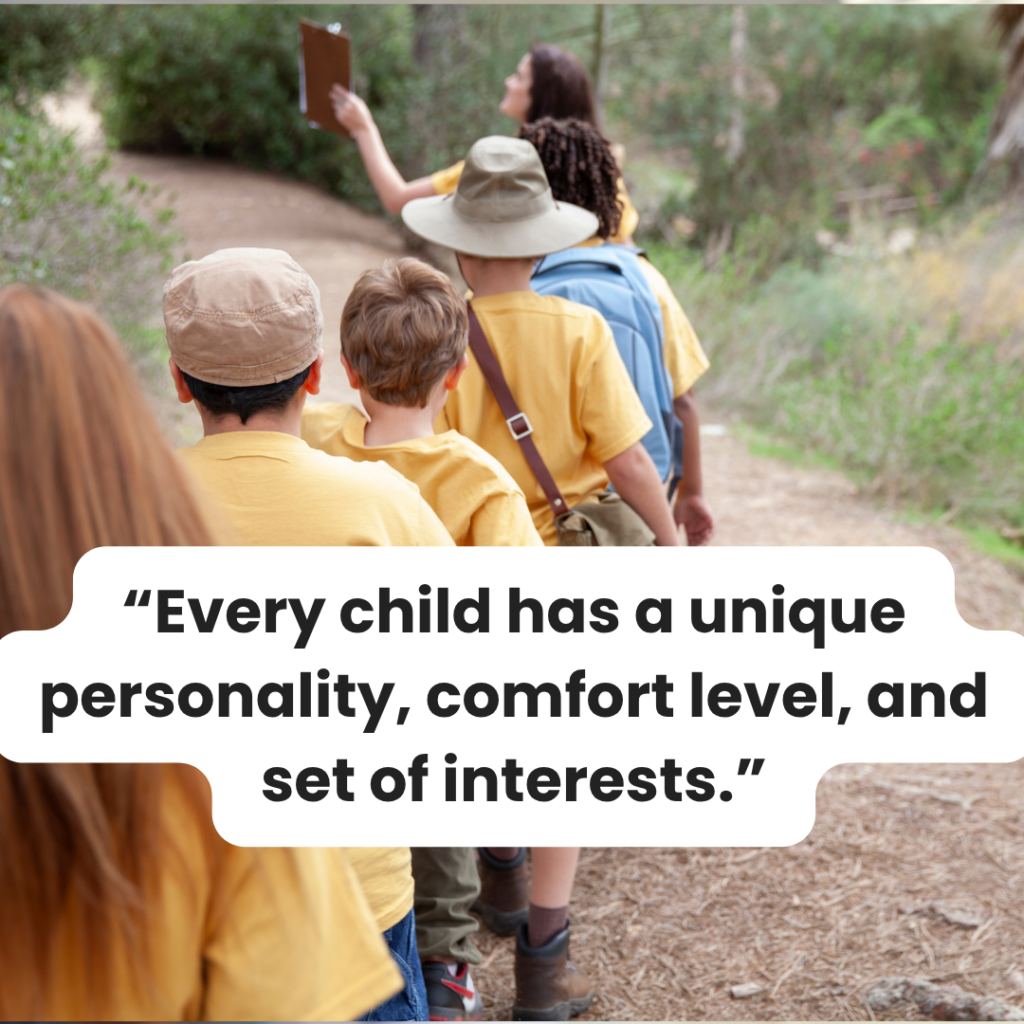
    Every child has a unique personality, comfort level, and set of interests. A camp that is perfect for one child may feel overwhelming or boring for another.

    Ask yourself:

    • What activities does my child naturally gravitate toward?
    • Do they prefer small groups or big social environments?
    • Are they cautious or adventurous?
    • Are they ready for independence or still building confidence?

    Matching camp style to personality is the single biggest factor in a positive camp experience.

    Matching Personality to Camp Type

    Child PersonalityCamp Environment to Consider
    Shy or cautiousSmall-group day camps
    Highly socialLarge multi-activity camps
    IndependentOvernight camps
    CreativeArts or drama camps
    Energetic and activeSports or outdoor camps

    When children feel comfortable, they build confidence faster and enjoy the experience more.


    Step 2: Decide Between Day Camp and Overnight Camp

    This is one of the first big decisions parents make.

    Day Camps Are Ideal When:

    • Your child is new to camp
    • They are under 8–9 years old
    • They prefer sleeping at home
    • You want a gradual introduction to independence

    Overnight Camps May Be Ideal When:

    • Your child enjoys sleepovers
    • They want more independence
    • They are curious about new experiences
    • They are ready for longer challenges

    Many families start with day camps and move to overnight camps later. There is no “right timeline”—readiness varies by child.


    Step 3: Match the Camp to Your Child’s Interests

    Today’s camps are more specialized than ever, which is great news for parents.

    Choosing a camp aligned with your child’s interests helps them:

    • Feel comfortable faster
    • Stay engaged
    • Make friends more easily
    • Feel proud of their accomplishments

    Popular Types of Summer Camps

    • Multi-activity camps
    • Sports camps
    • Arts, drama, and music camps
    • STEM and coding camps
    • Leadership and confidence camps
    • Outdoor adventure camps

    If your child is excited about the daily activities, the adjustment period becomes much easier.


    Step 4: Look at Camp Size and Environment

    Camp size can dramatically affect your child’s experience.

    Smaller Camps Often Offer:

    • More personalized attention
    • Quieter environments
    • Easier social transitions

    Larger Camps Often Offer:

    • More activity variety
    • Larger social groups
    • High-energy environments

    Neither is better—it simply depends on your child’s personality and comfort level.


    Step 5: Understand Camper-to-Staff Ratios

    One of the most important questions to ask camps is their supervision ratio.

    Lower ratios often mean:

    • More support
    • Better safety
    • Stronger relationships with counsellors

    Typical ratios:

    • Younger children: 1 staff for every 6–8 campers
    • Older children: 1 staff for every 8–12 campers

    This directly impacts your child’s daily experience.


    Step 6: Ask About Safety and Staff Training

    Safety is a top concern for parents—and camps expect these questions.

    Ask about:

    • Staff background checks
    • First aid and CPR certification
    • Emergency procedures
    • Communication policies with parents
    • Pick-up and drop-off security

    A trustworthy camp will be transparent and happy to explain.


    Step 7: Consider the Goals for the Summer

    Summer camp is more than childcare—it’s a growth opportunity.

    Parents often choose camps to help children:

    • Build confidence
    • Make new friends
    • Try new activities
    • Become more independent
    • Spend time outdoors
    • Reduce screen time

    Knowing your goal helps narrow your search quickly.


    Step 8: Read Reviews and Ask for Recommendations

    Word-of-mouth remains one of the most powerful tools when choosing a camp.

    Ask:

    • Other parents
    • School communities
    • Local parenting groups

    Real experiences can give valuable insight into camp culture.


    Step 9: Trust Your Instincts

    After research and conversations, trust your intuition.

    Ask yourself:

    • Does the camp feel welcoming?
    • Do staff communicate clearly?
    • Can I picture my child thriving here?

    Parents often know when a camp feels like the right fit.


    Conclusion

    Choosing a summer camp doesn’t have to feel overwhelming.

    By focusing on your child’s personality, interests, readiness, and goals, you can confidently choose a camp that turns summer into a season of growth, confidence, and unforgettable memories.

    The right summer camp doesn’t just fill time—it creates experiences that shape childhood.


  • Day Camp vs Overnight Camp: Which Is Best for Your Child?

    Day Camp vs Overnight Camp: Which Is Best for Your Child?

    Introduction

    One of the biggest decisions parents face when planning summer is choosing between day camp and overnight camp. Both options promise fun, friendships, and new experiences, yet they create very different summer journeys for children.

    Some parents feel confident choosing right away, while others wonder whether their child is ready to stay away from home. Questions about independence, safety, cost, and emotional readiness often come up. The truth is that there is no single “right” choice. The best option depends on your child’s personality, comfort level, and stage of development.

    Understanding the differences between day camp and overnight camp can help you choose with confidence and excitement rather than uncertainty.


    What Is a Day Camp?

    Day camps run during daytime hours, typically beginning with morning drop-off and ending with afternoon pick-up. Children participate in structured activities throughout the day and return home each evening.

    This format allows kids to experience the fun and growth of camp while still maintaining the comfort and routine of home life. For many families, day camp acts as a bridge between school and more independent summer experiences.

    Children enjoy games, sports, arts, outdoor play, and group activities, then head home to share stories about their day with family at dinner.


    Benefits of Day Camp

    A Gentle Introduction to Camp Life

    For many children, day camp represents their first independent experience away from parents. While school offers independence academically, camp provides independence socially and emotionally.

    Returning home every evening allows children to process new experiences with family support. This gentle introduction helps build confidence without overwhelming younger campers.

    Maintains Family Routine

    One of the biggest advantages of day camp is the ability to maintain daily routines. Children continue sleeping in their own beds, eating family meals, and staying connected to their home environment.

    This consistency reduces anxiety and helps children feel secure while still enjoying new experiences during the day.

    Parents also benefit from maintaining their regular routines, making day camp a practical option for many families.

    More Affordable for Many Families

    Cost is an important factor when planning summer activities. Day camps typically cost significantly less than overnight camps because they don’t include accommodation, meals, or round-the-clock staffing.

    For families with multiple children or longer summers to fill, day camp can provide excellent value while still offering meaningful experiences.

    Ideal for Younger Children

    Day camps are often best suited for children ages 4–9, although many programs extend to older age groups. Younger children are still developing independence and may not yet feel ready to sleep away from home.

    Day camp allows them to grow at a comfortable pace while gaining confidence and social skills.


    What Is an Overnight Camp?

    Overnight camps—often called sleepaway camps—create a fully immersive experience. Children stay at camp for several days or weeks, living in cabins, eating meals together, and participating in activities from morning until bedtime.

    This type of camp creates a mini community where campers develop routines, friendships, and independence in a way that simply isn’t possible during a single day.

    Evenings often include campfires, games, storytelling, or special events, creating a unique atmosphere that many campers describe as magical.


    Benefits of Overnight Camp

    Rapid Independence Growth

    One of the most powerful benefits of overnight camp is the independence it fosters. Without parents nearby, children learn to manage daily routines on their own.

    They begin to take responsibility for their belongings, organize their time, and make decisions independently. These skills often develop quickly because campers are immersed in an environment designed to support growth.

    Parents are often surprised by how capable their children feel after just one overnight camp session.

    Stronger Friendships

    Living together creates opportunities for deeper friendships. Sharing cabins, meals, and daily adventures allows campers to bond in meaningful ways.

    These friendships often feel different from school friendships because they form through shared experiences and teamwork rather than classroom routines.

    Many children stay in touch with camp friends long after summer ends.

    Full Immersion in Camp Life

    Without daily pick-ups and drop-offs, children fully engage in camp activities. They experience the entire rhythm of camp life, from morning wake-up to evening campfires.

    This immersion helps children feel part of a community and encourages them to try new activities without the distraction of returning home each day.

    Confidence and Resilience Boost

    Overnight camp often provides a noticeable boost in confidence. Children learn that they can handle new situations, adapt to change, and thrive away from home.

    Parents frequently describe seeing a more confident, independent version of their child after camp.


    Emotional Readiness Matters Most

    Age plays a role in camp readiness, but emotional readiness is even more important. Some children feel ready for overnight camp at age seven, while others prefer to wait until age ten or older.

    Children may be ready for overnight camp if they enjoy sleepovers, show independence at home, adapt well to new environments, and express excitement about staying away.

    Feeling nervous is completely normal. In fact, excitement mixed with nerves often signals readiness for growth.


    Common Parent Concerns About Overnight Camp

    Many parents worry about homesickness, safety, and communication. These concerns are natural and shared by many families.

    Homesickness is common and usually temporary. Camp staff are trained to help children adjust and feel supported. Camps also have systems in place to contact parents if needed, and safety standards are typically very strict.

    Understanding how camps handle these situations can ease many worries.


    Can Kids Transition Gradually?

    Many families choose a gradual path. Children may start with day camps, try short overnight programs lasting a few days, and eventually progress to longer sleepaway experiences.

    This step-by-step approach helps children build independence naturally and confidently.


    Which Option Is Right for Your Child?

    Day camp may be the right choice if your child is new to camp, prefers familiar routines, or feels nervous about overnight stays.

    Overnight camp may be ideal if your child enjoys sleepovers, wants more independence, and feels excited about new challenges.

    Both paths lead to growth, friendships, and memorable summer experiences.


    Final Thoughts

    There is no better or worse option—only what’s right for your child right now. Whether your child returns home each afternoon or writes letters from a cabin, both experiences offer opportunities for growth, confidence, and connection.

    The goal isn’t choosing the perfect camp experience forever. It’s choosing the right next step for this summer.

    And no matter which path you choose, summer camp has a wonderful way of helping children grow in ways parents never expect.

  • What Age Should Kids Start Summer Camp? A Parent Guide by Age Group

    What Age Should Kids Start Summer Camp? A Parent Guide by Age Group

    Introduction

    One of the most common questions parents ask when planning summer is simple but surprisingly tricky: What age should my child start summer camp?

    Many parents worry about starting too early and overwhelming their child, while others wonder if they’ve waited too long and missed the ideal window. The reassuring truth is that there isn’t one “perfect” age. Summer camps are designed to grow with children, offering different experiences that match their developmental stage.

    Instead of focusing on the exact age, it’s more helpful to think about readiness, personality, and the type of camp experience that fits your child right now. From preschool day camps to leadership programs for teens, summer camp can become a meaningful part of childhood at many stages.

    Let’s walk through what camp typically looks like at each age and how parents can decide when the timing feels right.


    Ages 4–5: A Gentle First Step Into Camp

    For many families, the first introduction to summer camp happens during the preschool years. At this stage, camps are designed to feel familiar, structured, and comforting rather than adventurous or challenging.

    Programs for this age group usually run as half-day or full-day day camps. The focus is on play, creativity, simple routines, and social interaction. Children sing songs, play games, do crafts, and enjoy outdoor time, all within a predictable daily schedule.

    The purpose of camp at this age is not independence—it is confidence. Camp gives young children a chance to practice being away from parents in a safe and supportive setting. They learn how to follow group routines, listen to new adults, and interact with peers outside of daycare or school.

    Parents often find that children who attend camp at this age gain confidence quickly. They begin to understand that they can enjoy new environments and return home at the end of the day feeling proud and excited.


    Ages 6–8: Confidence Begins to Grow

    By early elementary school, summer camp often becomes a highlight of the year. Children in this age range are typically more socially confident and curious about trying new activities.

    This is when many kids begin attending full-day camps for multiple weeks each summer. They are better able to follow schedules, participate in group games, and build friendships. At this stage, camp often shifts from being a new experience to becoming a summer tradition.

    Children between six and eight thrive in environments where they can explore a wide range of activities. Multi-activity camps become especially popular because they allow kids to try sports, arts, outdoor play, and group challenges all in one place.

    These experiences help children discover new interests and begin to feel a sense of belonging within the camp community. Many parents notice their children returning home more confident, more independent, and excited to go back the next day.


    Ages 9–11: The Transition Toward Independence

    Around ages nine to eleven, something important begins to shift. Children start craving more independence and bigger experiences. This is often the stage when families begin considering overnight camps for the first time.

    Not every child is ready for sleepaway camp at this age, but many become curious about it. They may enjoy sleepovers, adapt well to new environments, and express excitement about bigger adventures.

    Some families choose to start with short overnight programs lasting a few days. These shorter stays can be a wonderful bridge between day camp and longer overnight experiences. They allow children to practice independence while still feeling supported.

    During these years, camp becomes a powerful environment for growth. Children learn to manage routines, navigate friendships, and solve small challenges on their own. The sense of accomplishment they feel after a successful camp experience can be incredibly meaningful.


    Ages 12–14: The Heart of the Camp Years

    For many children, the tween and early teen years become the most impactful time for camp experiences. At this stage, overnight camps, adventure programs, and specialty camps often feel especially exciting and rewarding.

    This is a time of major social and emotional development. Kids are forming their identities, seeking independence, and building deeper friendships. Camp provides a supportive environment where they can grow without the pressures of school.

    Without the distractions of screens and academic expectations, children have space to connect, challenge themselves, and explore their interests. Many lifelong friendships begin during these years, and the memories created often become some of the most cherished of childhood.

    Parents frequently notice significant growth after camp during this stage. Children return home more confident, more independent, and more comfortable navigating new situations.


    Ages 15–17: Leadership and Responsibility

    Summer camp doesn’t end in childhood. For teenagers, camp often evolves into leadership and skill-building opportunities.

    Many camps offer counselor-in-training or leadership programs designed specifically for teens. These programs allow older campers to mentor younger children, develop responsibility, and gain valuable real-world experience.

    Teen camp programs can be especially powerful because they help young people build confidence, communication skills, and leadership abilities. These experiences often become valuable additions to resumes, job applications, and future opportunities.

    For teens, camp becomes less about being cared for and more about contributing, leading, and growing into young adults.


    So When Is the Right Time to Start?

    After exploring each age group, the biggest takeaway is this: there is no universal “right age” to start summer camp. The best time depends on your child’s personality, comfort level, and curiosity about new experiences.

    Some children are eager to start camp at four or five, while others feel more ready closer to seven or eight. Some children love overnight camp at nine, while others prefer waiting until their teen years. All of these paths are normal and valid.

    The most important signal to watch for is interest. When children feel curious and excited about camp, they are usually ready to begin.


    Final Thoughts

    Summer camp is not a single experience—it is a journey that can grow alongside your child for many years. Starting at the right time helps children build confidence gradually and develop independence at their own pace.

    Whether your child begins camp in preschool or later in childhood, the goal is the same: helping them discover new abilities, build friendships, and create positive summer memories.

    The best time to start summer camp is simply when your child is ready to take that first exciting step.

  • 5 Questions Parents Should Ask Before Booking a Summer Camp

    5 Questions Parents Should Ask Before Booking a Summer Camp

    Booking a summer camp can feel exciting, but also a little overwhelming. There are so many options, promises, and glossy photos that make every program look perfect. Parents often end up choosing based on location, price, or convenience, but summer camp is a big experience for a child. The right camp can boost confidence, independence, and friendships. The wrong one can leave kids feeling bored, anxious, or disconnected.

    The best way to feel confident in your choice is to ask the right questions before you register. When you know what to look for, you can move beyond marketing and truly understand how a camp operates and whether it fits your child’s needs.

    Let’s walk through the most important questions every parent should ask before booking a summer camp.


    1. What is the camp’s main focus and philosophy?

    Every camp has a personality. Some focus heavily on sports, others on arts, academics, outdoor adventure, or leadership. Ask how the camp defines its mission and what skills or experiences they want children to gain. A camp that prioritizes teamwork and personal growth may look very different from one focused on competition or performance.


    2. What ages is the camp designed for?

    Age grouping matters more than many parents realize. Kids thrive when they’re surrounded by peers at a similar developmental stage. Ask how campers are grouped and whether activities are adapted for different age ranges. A program designed for teens will feel very different from one for younger children.


    3. What does a typical day actually look like?

    Instead of asking for a schedule alone, ask the camp to walk you through a real day. How much time is spent indoors vs. outdoors? Are there breaks? Is the day structured or flexible? Understanding the rhythm of the day helps you picture your child’s experience more clearly.


    4. What is the staff-to-camper ratio?

    This question is one of the most important for safety and supervision. Smaller ratios usually mean more attention, better support, and safer environments. Ask how many campers each counsellor supervises and whether ratios change for different activities like swimming or field trips.


    5. How are staff hired and trained?

    Great camps invest heavily in their staff. Ask about training, background checks, certifications, and experience. You can also ask how long staff typically stay with the camp. High staff retention often signals a strong and supportive environment.


    6. How does the camp handle safety and emergencies?

    Parents should never feel shy about asking safety questions. Find out how the camp manages injuries, allergies, heat safety, and emergency situations. Ask if staff are trained in first aid and CPR, and how parents are contacted if something happens.


    7. What is the camp’s approach to inclusion and belonging?

    Every child deserves to feel welcome. Ask how the camp supports children with different learning styles, abilities, or social comfort levels. Do they adapt activities? Do they offer additional support if a child feels overwhelmed or homesick?


    8. How does the camp handle behaviour and conflict?

    Kids are learning social skills, and disagreements happen. Ask how staff manage conflicts, bullying, or behaviour challenges. Camps that focus on teaching communication and problem-solving tend to create more positive environments.


    9. What is the balance between structure and choice?

    Some children love a structured schedule, while others thrive with flexibility. Ask how much choice campers have in activities. Camps that offer some choice often help kids feel more independent and engaged.


    10. What happens if my child feels nervous or homesick?

    Even day camps can feel overwhelming at first. Ask how staff support children who feel anxious or unsure. Knowing there’s a plan for emotional support can bring peace of mind to both parents and kids.


    11. How does the camp communicate with parents?

    Clear communication builds trust. Ask how the camp shares updates, reminders, and important information. Do they send newsletters, emails, or daily summaries? Will you receive updates if there’s a schedule change?


    12. What is included in the camp fees?

    Camp pricing can vary widely, and surprises are never fun. Ask what’s included and what costs extra. Some camps include supplies, snacks, or trips, while others charge additional fees. Understanding the full cost upfront helps avoid stress later.


    13. What should my child bring each day?

    Knowing what to pack helps your child feel prepared and comfortable. Ask about clothing, equipment, lunches, and weather considerations. Camps that provide detailed packing guidance often run more smoothly.


    14. How does the camp measure success?

    This question often reveals a lot. Some camps focus on skill development, others on friendships, confidence, or fun. Hearing how they define a successful summer can help you decide if their goals match yours.


    15. Why do families return to this camp year after year?

    This is a great closing question when speaking to camp staff. Their answer will often highlight what they believe sets them apart. Returning families usually signal positive experiences and strong relationships.


    Bringing It All Together

    Choosing a summer camp is about more than filling time during the summer. It’s about giving your child an environment where they can explore new interests, build friendships, and grow in confidence.

    When parents ask thoughtful questions, they move from guessing to understanding. Instead of hoping a camp will be a good fit, you can feel confident you’ve chosen an experience that aligns with your child’s personality, interests, and needs.

    The best camps welcome these questions and are happy to answer them. After all, summer camp is a partnership between families and program staff. When communication starts early, it sets the stage for a positive and memorable summer.

    Taking the time to ask these questions now can make all the difference later. Your child deserves a summer filled with fun, growth, and memories that last far beyond the final day of camp.

  • The Real Benefits of Summer Camp (Backed by Child Development Research)

    The Real Benefits of Summer Camp (Backed by Child Development Research)

    Every summer, parents ask the same question: Is summer camp really worth it?

    Between the cost, the planning, and the logistics, it’s natural to wonder whether camp is simply a fun way to fill the summer months or something more meaningful.

    The truth is that summer camp offers much more than entertainment. Decades of child development research consistently show that camp experiences support social, emotional, and personal growth in ways that traditional classroom environments often can’t. Summer camp provides a unique combination of independence, peer interaction, real-world problem solving, and confidence-building that children carry with them long after summer ends.

    Let’s explore the real, research-backed benefits of summer camp and why it plays such an important role in child development.


    Summer Camp Builds Confidence Through New Experiences

    One of the biggest benefits of summer camp is the way it encourages children to try new things. During the school year, kids often stick to familiar routines and subjects. Camp, however, invites exploration.

    Whether it’s learning archery, performing on stage, coding a simple game, or trying a new sport, camp gives children opportunities to step outside their comfort zone in a supportive environment.

    When children successfully try something new, their self-confidence grows. Even small achievements—climbing higher on a rock wall, making a new friend, or learning a new skill—send a powerful message: I can do hard things.

    This sense of capability can carry into school, friendships, and future challenges.


    Camp Encourages Independence in a Safe Way

    Many parents notice a surprising shift after just one week of camp. Kids start packing their own bags, remembering their water bottles, and taking responsibility for their belongings.

    This happens because camp naturally encourages independence. Children spend time away from their usual routines and learn to make decisions on their own within a safe and structured environment.

    They learn how to:

    • Manage their time
    • Solve small problems independently
    • Ask for help when they need it
    • Adapt to new situations

    These skills are essential for growing independence and self-reliance. Camp acts as a gentle bridge between the security of home and the growing responsibilities of adolescence.


    Social Skills Grow Naturally at Camp

    During the school year, social circles can become predictable. Kids often spend time with the same classmates and follow the same daily structure.

    Camp changes that environment completely.

    Children meet new peers from different schools, backgrounds, and interests. They learn how to introduce themselves, join group activities, cooperate in teams, and navigate new friendships.

    Unlike school, camp social interactions are often built around fun and shared experiences. Kids bond while playing games, working on projects, or cheering each other on. These shared moments help friendships form quickly and naturally.

    For children who are shy or struggle socially, camp can be especially powerful. It offers a fresh start and the chance to build confidence in social settings.


    Camp Strengthens Emotional Resilience

    Resilience is the ability to handle challenges and bounce back from setbacks. It’s one of the most important life skills a child can develop.

    At camp, challenges appear in everyday situations. A child might lose a game, feel nervous about trying something new, or experience a small disagreement with a friend.

    In these moments, camp staff guide children through problem-solving and emotional regulation. Kids learn how to:

    • Handle disappointment
    • Work through frustration
    • Practice patience
    • Celebrate effort, not just results

    Because camp environments are supportive and encouraging, children learn that setbacks are part of growth, not something to fear.


    Kids Get a Healthy Break From Screens

    Modern childhood often includes significant screen time. While technology can be valuable, many parents worry about how much time their children spend online.

    Summer camp provides a refreshing change of pace. Days are filled with physical activity, creative projects, outdoor exploration, and face-to-face interaction.

    This shift gives children a chance to reconnect with hands-on experiences and real-world play. Parents often notice improvements in mood, sleep patterns, and overall energy levels after a week or two of camp.

    The break from screens isn’t just refreshing—it helps children rediscover the joy of active, imaginative play.


    Camp Helps Children Discover New Interests

    Many lifelong passions begin at summer camp. Without the pressure of grades or performance, kids feel free to explore new hobbies purely for enjoyment.

    A child who has never tried painting might discover a love of art. A hesitant athlete may realize they enjoy team sports. A curious learner might develop an interest in science or leadership.

    These discoveries can shape future extracurricular activities, school choices, and even career interests. Camp creates a space where curiosity is encouraged and exploration is celebrated.


    Teamwork and Collaboration Become Everyday Skills

    Camp is built around group experiences. From team games to collaborative projects, children constantly practice working together.

    They learn how to listen, contribute ideas, take turns, and support others. These teamwork skills are essential not only in school but throughout life.

    When children work toward shared goals—winning a relay race, putting on a performance, or completing a group challenge—they experience the value of cooperation firsthand.


    Camp Creates Lasting Memories and Positive Associations With Learning

    When learning is fun, it sticks. Camp blends education with play, helping children associate growth with enjoyment rather than pressure.

    Positive memories formed at camp often become some of the most cherished parts of childhood. The friendships, laughter, and sense of achievement create emotional connections that last for years.

    These memories build a foundation of confidence and curiosity that continues into the school year and beyond.


    Why Summer Camp Is Truly Important

    When parents ask why summer camp matters, the answer goes far beyond keeping kids busy. Camp supports the development of the whole child—socially, emotionally, and personally.

    It helps children grow into confident, capable individuals who are comfortable trying new things, making friends, and solving problems.

    Summer camp is not just a seasonal activity. It’s an experience that nurtures independence, resilience, curiosity, and confidence—all essential skills for life.


    The Takeaway for Parents

    Choosing a summer camp is an investment in your child’s growth. While every program looks different, the underlying benefits remain consistent: children gain confidence, independence, friendships, and life skills that extend far beyond summer.

    For many families, camp becomes a highlight of the year—not just for the fun, but for the transformation they see in their children.

    And that transformation is what makes summer camp truly worthwhile.