

Introduction
One of the biggest decisions parents face when planning summer is choosing between day camp and overnight camp. Both options promise fun, friendships, and new experiences, yet they create very different summer journeys for children.
Some parents feel confident choosing right away, while others wonder whether their child is ready to stay away from home. Questions about independence, safety, cost, and emotional readiness often come up. The truth is that there is no single “right” choice. The best option depends on your child’s personality, comfort level, and stage of development.
Understanding the differences between day camp and overnight camp can help you choose with confidence and excitement rather than uncertainty.
What Is a Day Camp?
Day camps run during daytime hours, typically beginning with morning drop-off and ending with afternoon pick-up. Children participate in structured activities throughout the day and return home each evening.
This format allows kids to experience the fun and growth of camp while still maintaining the comfort and routine of home life. For many families, day camp acts as a bridge between school and more independent summer experiences.
Children enjoy games, sports, arts, outdoor play, and group activities, then head home to share stories about their day with family at dinner.
Benefits of Day Camp
A Gentle Introduction to Camp Life
For many children, day camp represents their first independent experience away from parents. While school offers independence academically, camp provides independence socially and emotionally.
Returning home every evening allows children to process new experiences with family support. This gentle introduction helps build confidence without overwhelming younger campers.
Maintains Family Routine
One of the biggest advantages of day camp is the ability to maintain daily routines. Children continue sleeping in their own beds, eating family meals, and staying connected to their home environment.
This consistency reduces anxiety and helps children feel secure while still enjoying new experiences during the day.
Parents also benefit from maintaining their regular routines, making day camp a practical option for many families.
More Affordable for Many Families
Cost is an important factor when planning summer activities. Day camps typically cost significantly less than overnight camps because they don’t include accommodation, meals, or round-the-clock staffing.
For families with multiple children or longer summers to fill, day camp can provide excellent value while still offering meaningful experiences.
Ideal for Younger Children
Day camps are often best suited for children ages 4–9, although many programs extend to older age groups. Younger children are still developing independence and may not yet feel ready to sleep away from home.
Day camp allows them to grow at a comfortable pace while gaining confidence and social skills.
What Is an Overnight Camp?
Overnight camps—often called sleepaway camps—create a fully immersive experience. Children stay at camp for several days or weeks, living in cabins, eating meals together, and participating in activities from morning until bedtime.
This type of camp creates a mini community where campers develop routines, friendships, and independence in a way that simply isn’t possible during a single day.
Evenings often include campfires, games, storytelling, or special events, creating a unique atmosphere that many campers describe as magical.
Benefits of Overnight Camp
Rapid Independence Growth
One of the most powerful benefits of overnight camp is the independence it fosters. Without parents nearby, children learn to manage daily routines on their own.
They begin to take responsibility for their belongings, organize their time, and make decisions independently. These skills often develop quickly because campers are immersed in an environment designed to support growth.
Parents are often surprised by how capable their children feel after just one overnight camp session.
Stronger Friendships
Living together creates opportunities for deeper friendships. Sharing cabins, meals, and daily adventures allows campers to bond in meaningful ways.
These friendships often feel different from school friendships because they form through shared experiences and teamwork rather than classroom routines.
Many children stay in touch with camp friends long after summer ends.
Full Immersion in Camp Life
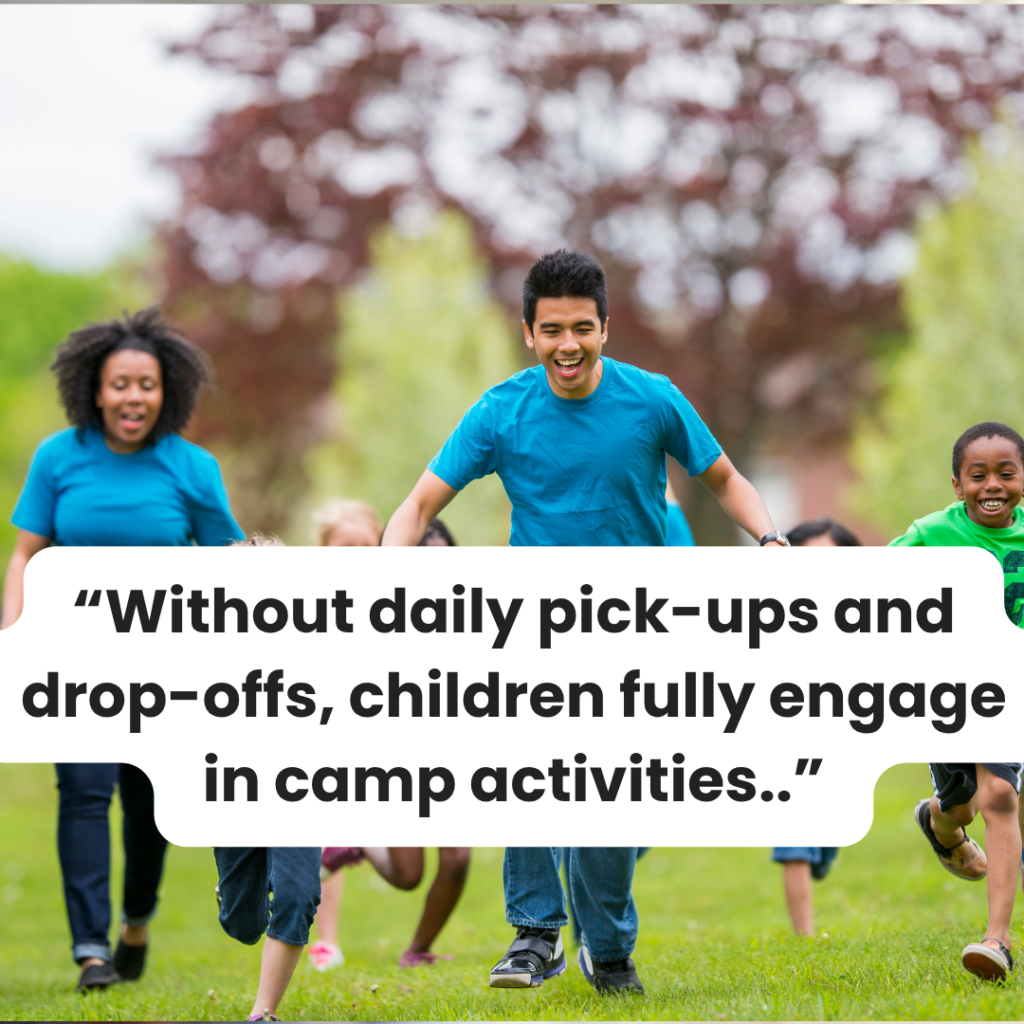
Without daily pick-ups and drop-offs, children fully engage in camp activities. They experience the entire rhythm of camp life, from morning wake-up to evening campfires.
This immersion helps children feel part of a community and encourages them to try new activities without the distraction of returning home each day.
Confidence and Resilience Boost
Overnight camp often provides a noticeable boost in confidence. Children learn that they can handle new situations, adapt to change, and thrive away from home.
Parents frequently describe seeing a more confident, independent version of their child after camp.
Emotional Readiness Matters Most
Age plays a role in camp readiness, but emotional readiness is even more important. Some children feel ready for overnight camp at age seven, while others prefer to wait until age ten or older.
Children may be ready for overnight camp if they enjoy sleepovers, show independence at home, adapt well to new environments, and express excitement about staying away.
Feeling nervous is completely normal. In fact, excitement mixed with nerves often signals readiness for growth.
Common Parent Concerns About Overnight Camp
Many parents worry about homesickness, safety, and communication. These concerns are natural and shared by many families.
Homesickness is common and usually temporary. Camp staff are trained to help children adjust and feel supported. Camps also have systems in place to contact parents if needed, and safety standards are typically very strict.
Understanding how camps handle these situations can ease many worries.
Can Kids Transition Gradually?
Many families choose a gradual path. Children may start with day camps, try short overnight programs lasting a few days, and eventually progress to longer sleepaway experiences.
This step-by-step approach helps children build independence naturally and confidently.
Which Option Is Right for Your Child?
Day camp may be the right choice if your child is new to camp, prefers familiar routines, or feels nervous about overnight stays.
Overnight camp may be ideal if your child enjoys sleepovers, wants more independence, and feels excited about new challenges.
Both paths lead to growth, friendships, and memorable summer experiences.
Final Thoughts
There is no better or worse option—only what’s right for your child right now. Whether your child returns home each afternoon or writes letters from a cabin, both experiences offer opportunities for growth, confidence, and connection.
The goal isn’t choosing the perfect camp experience forever. It’s choosing the right next step for this summer.
And no matter which path you choose, summer camp has a wonderful way of helping children grow in ways parents never expect.
Leave a Reply
You must be logged in to post a comment.