
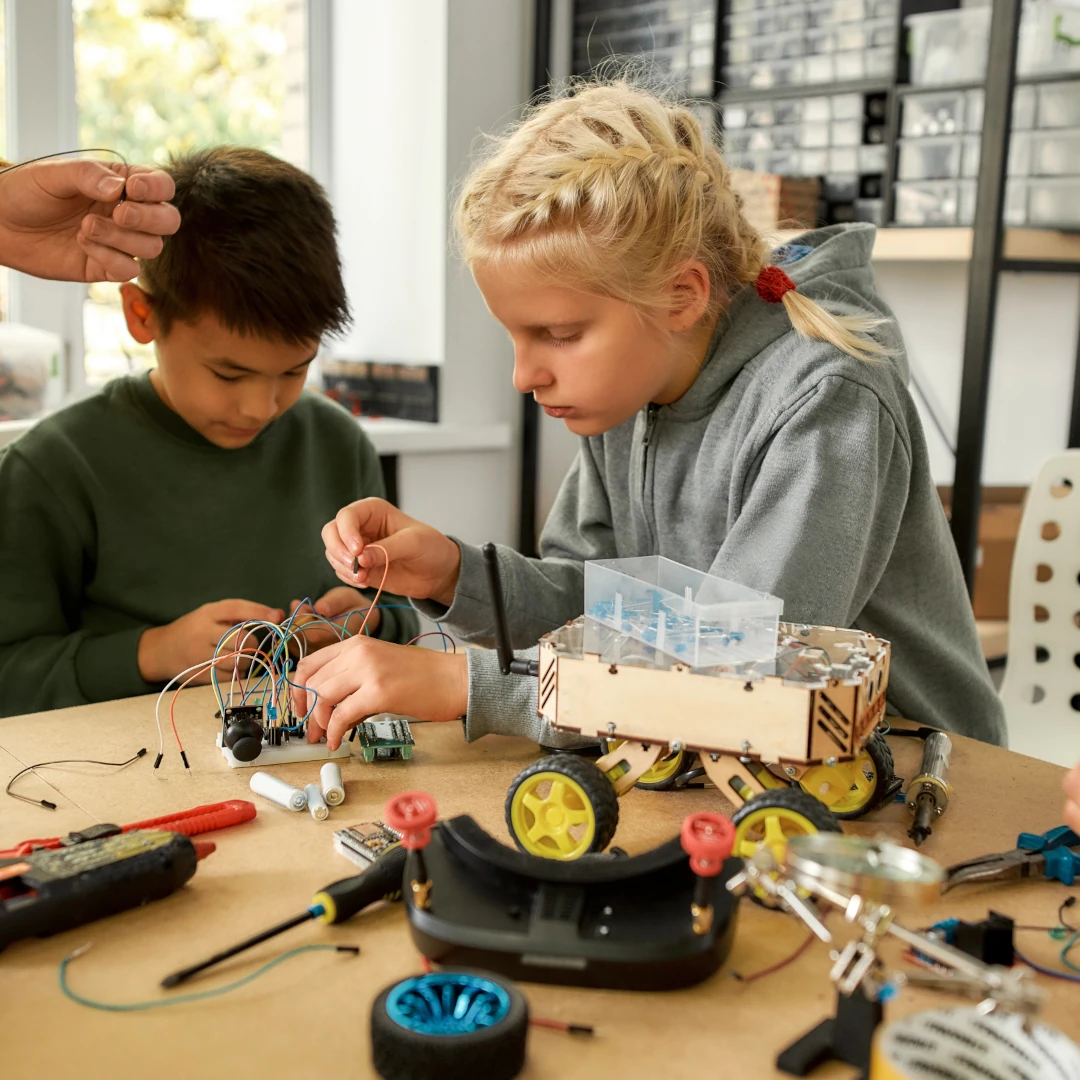
Problem-solving is one of the most valuable life skills children can develop. From school assignments to friendships and future careers, the ability to think critically and find solutions helps children navigate life with confidence. While classrooms play an important role in learning, summer camp provides a unique environment where kids practice problem-solving naturally through hands-on experiences, teamwork, and real-world challenges.
Unlike traditional academic settings, camp encourages learning through doing. Children experiment, collaborate, and adapt in real time, making the lessons both meaningful and memorable.
Learning Through Real-Life Challenges
One of the most powerful ways children learn problem-solving is by facing real-life challenges. At summer camp, these challenges are designed to be fun, engaging, and age-appropriate.
Common examples include:
- Completing scavenger hunts
- Building shelters or forts
- Navigating obstacle courses
- Solving outdoor puzzles
- Participating in group strategy games
These activities encourage children to analyze situations, consider options, and test ideas. When children are placed in situations where solutions aren’t immediately obvious, they begin developing critical thinking skills naturally.
Instead of being told what to do, campers are encouraged to figure things out together. This hands-on approach makes learning feel exciting and empowering.
Encouraging Creative Thinking
Camp environments rarely focus on finding a single “correct” answer. Instead, they celebrate creativity and exploration. Children are encouraged to approach challenges from different angles and try new strategies.
This helps kids learn how to:
- Brainstorm ideas
- Think outside the box
- Experiment with solutions
- Adapt when plans change
Creative thinking is a major part of problem-solving. When children realize there are multiple ways to approach a challenge, they become more flexible and confident in their thinking.
These skills extend far beyond camp. Creative problem-solvers often perform better academically and feel more confident tackling unfamiliar situations.
Team-Based Problem-Solving
Many camp challenges are designed to be completed in groups. Team-based problem-solving teaches children how to collaborate, listen to others, and work toward shared goals.
Through group activities, children learn to:
- Share ideas openly
- Respect different perspectives
- Combine strengths and talents
- Support teammates during challenges
Working in a team helps children understand that solving problems is often easier when people work together. They also learn that every team member contributes something valuable.
These collaboration skills are incredibly useful in school group projects, sports teams, and future workplaces.
Learning to Make Decisions Independently
Summer camp provides daily opportunities for children to make decisions on their own. Whether choosing activities, managing time, or planning strategies during games, kids learn to think independently.
Decision-making teaches children:
- Responsibility for choices
- Confidence in their judgment
- Time management skills
- Accountability for outcomes
Making small decisions regularly helps children build confidence in their ability to handle bigger challenges later in life.
Learning From Mistakes
One of the most valuable lessons children learn at camp is that mistakes are part of the learning process. In a supportive environment, children feel safe trying new things without fear of failure.
At camp, mistakes become opportunities to:
- Reflect on what went wrong
- Try new approaches
- Develop persistence
- Build resilience
Children quickly learn that setbacks are temporary and that effort leads to improvement. This growth mindset is essential for long-term success.
Building Confidence Through Challenges
Every successful problem solved gives children a sense of accomplishment. These moments build confidence and encourage kids to take on new challenges.
As children overcome obstacles, they begin to believe:
“I can figure this out.”
“I can try again.”
“I can handle challenges.”
This growing confidence has a lasting impact on how children approach school, friendships, and new experiences.
Preparing Kids for Real-Life Situations
The problem-solving skills developed at summer camp help children succeed in many areas of life. Kids return home better prepared to:
- Handle school assignments
- Manage social challenges
- Participate in group projects
- Adapt to new environments
- Approach challenges with confidence
Problem-solving is not just an academic skill—it’s a life skill that supports independence, resilience, and success.
Why Camp Is the Perfect Environment for Learning
Summer camp creates a balance between challenge and support. Counsellors provide guidance while still allowing children to think independently and try their own solutions.
This balance helps children feel:
- Safe to take risks
- Encouraged to explore ideas
- Supported when challenges arise
The result is a powerful learning environment where children grow in confidence and capability.
Final Thoughts
Summer camp offers children a unique opportunity to develop problem-solving skills through hands-on experiences, teamwork, and real-life challenges. By encouraging creativity, independence, and resilience, camp helps children learn how to approach challenges with confidence and curiosity.
These skills last far beyond the summer months. They support academic success, social growth, and future career readiness.
When children learn how to think critically and solve problems, they gain one of the most valuable tools for lifelong success.
Leave a Reply
You must be logged in to post a comment.