

Introduction
Every summer, many parents notice the same challenge: skills fade during the long break from school. Reading slows down, math feels harder, and daily routines disappear. This phenomenon is commonly called summer learning loss or the “summer slide.”
Research has shown that children can lose months of academic progress during summer vacation if they are not mentally engaged. While summer is meant to be a time of rest and play, a complete break from structured thinking can make the return to school more stressful and overwhelming in September.
The good news? Summer camp offers a powerful and enjoyable way to prevent this. Camp doesn’t feel like school—but it quietly keeps kids learning all summer long.
What Is Summer Learning Loss?
Summer learning loss refers to the decline in academic skills that occurs when children are away from structured learning for extended periods. Without regular practice, the brain naturally forgets and deprioritizes certain skills.
Common effects include:
- Reduced reading fluency and comprehension
- Weaker math skills and slower problem-solving
- Lower focus and attention span
- Difficulty returning to school routines and expectations
These changes can create a noticeable gap between where students ended the school year and where they begin the next one. Teachers often spend the first weeks of the school year reviewing old material, which can delay new learning.
Preventing this learning gap is one of the biggest reasons families look toward educational summer camps.
Why Camp Is a Powerful Solution
Summer camps provide the perfect balance between fun and learning. Unlike traditional classrooms, camp environments emphasize exploration, creativity, and hands-on experiences.
Camp provides:
- Structured daily schedules
- Brain-engaging activities
- Social learning opportunities
- Creative exploration and discovery
Children stay mentally active without feeling pressured or stressed. Instead of worksheets and tests, they learn through experiences—one of the most effective ways to build long-term memory and understanding.
This approach makes camps a top strategy for summer brain drain prevention.
Learning Through Hands-On Experiences
Camp learning looks different from school learning—and that’s exactly why it works so well.
Children learn through:
- Science experiments and STEM projects
- Building challenges and engineering tasks
- Outdoor exploration and nature discovery
- Team competitions and problem-solving games
- Creative arts, drama, and music
Hands-on learning improves retention because children actively participate instead of passively listening. When kids experiment, build, and explore, they use multiple parts of the brain at once. This strengthens memory pathways and deepens understanding.
In many ways, camp transforms learning into an adventure.
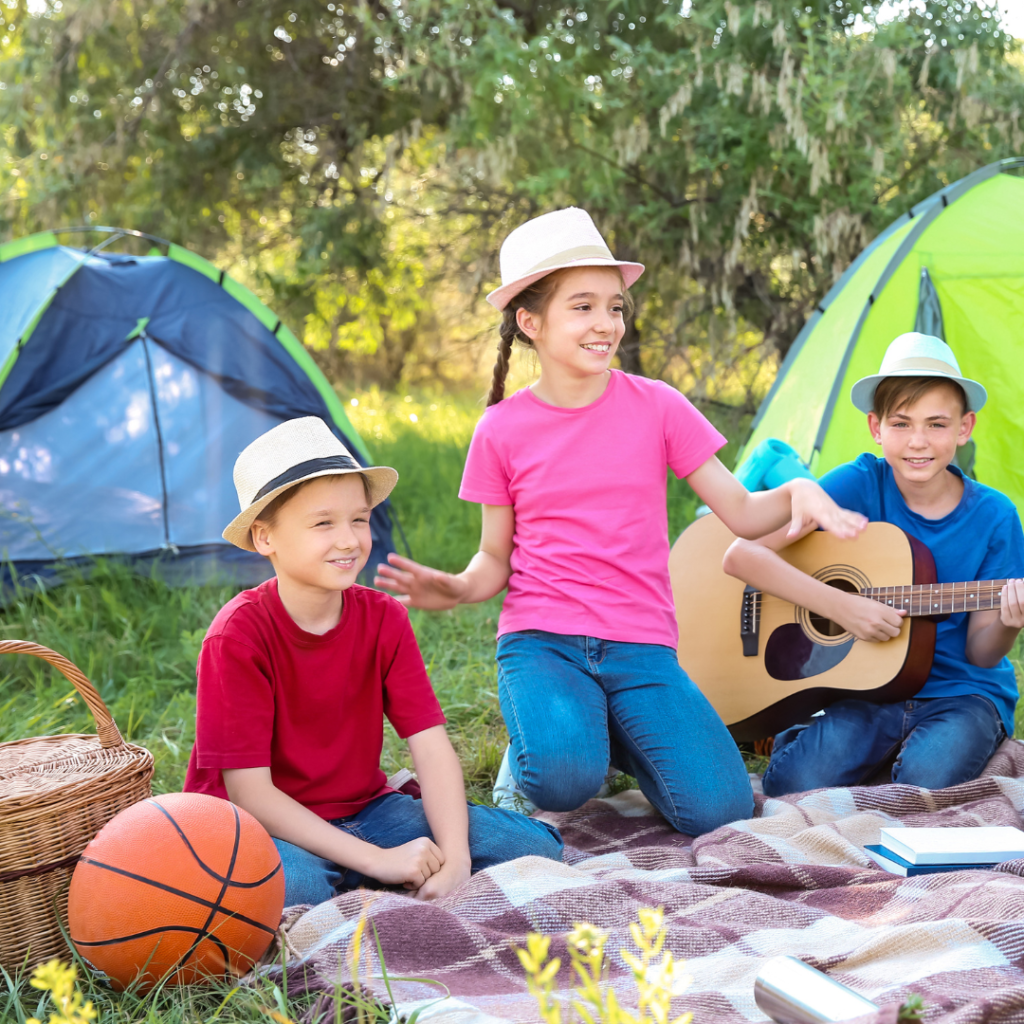
Reading and Communication Skills Stay Strong
One of the biggest academic losses during summer is reading ability. Without regular practice, fluency and comprehension can decline quickly.
At camp, kids constantly practice communication and literacy skills through everyday activities such as:
- Reading schedules or activity plans
- Listening to instructions
- Writing signs, journals, or creative stories
- Sharing ideas during group discussions
- Presenting projects or performances
These small daily interactions keep language and reading skills active without feeling like homework.
Children often return to school more confident in their communication abilities after spending the summer in socially rich environments.
Math and Problem-Solving in Real Life
Many kids forget math skills faster than reading during summer break. Camp helps prevent this by integrating math into real-life activities.
Campers naturally use math skills when they:
- Measure ingredients during cooking activities
- Track scores in sports and games
- Plan schedules and manage time
- Build structures or complete STEM challenges
- Solve puzzles and strategic team games
Because math appears in fun, real-world contexts, children develop confidence and practical problem-solving skills.
They don’t feel like they’re “doing math”—they’re simply solving challenges.
Social Learning Is Real Learning
Academic growth isn’t the only learning that matters. Social and emotional development plays a huge role in school success.
Summer camps strengthen emotional intelligence and life skills such as:
- Teamwork and collaboration
- Leadership and responsibility
- Conflict resolution
- Empathy and communication
- Confidence and independence
These skills help children thrive in classrooms, group projects, and friendships. In fact, many educators believe social learning is just as important as academic learning.
Kids who develop strong social skills often transition back to school more smoothly and confidently.
Routine Helps Kids Transition Back to School
Another hidden benefit of camp is structure. During summer, many children lose daily routines like wake-up times, structured activities, and consistent schedules.
Camps provide:
- Regular morning routines
- Planned activity blocks
- Breaks and social time
- Consistent expectations
Maintaining structure helps children stay mentally prepared for the return to school. Instead of a sudden shift in September, the transition feels natural and familiar.
This makes the back-to-school period less stressful for both kids and parents.
Confidence and Curiosity Grow
When children spend summer exploring new activities, they discover new interests and abilities. Whether it’s coding, sports, art, science, or leadership, camp encourages kids to try new things in a supportive environment.
This builds:
- Curiosity and love of learning
- Confidence in their abilities
- Motivation to participate in school
- A positive attitude toward challenges
Kids return to school energized, curious, and ready to learn.
Final Thoughts
Summer should be fun—but it doesn’t have to mean losing academic progress. Educational summer camps provide the perfect balance of play and learning, keeping children mentally engaged while still feeling like a true break.
From reading and math to social skills and confidence, camp helps children grow in ways that classrooms alone cannot. For families looking to prevent summer learning loss, camp is one of the most effective and enjoyable solutions available.
Leave a Reply
You must be logged in to post a comment.