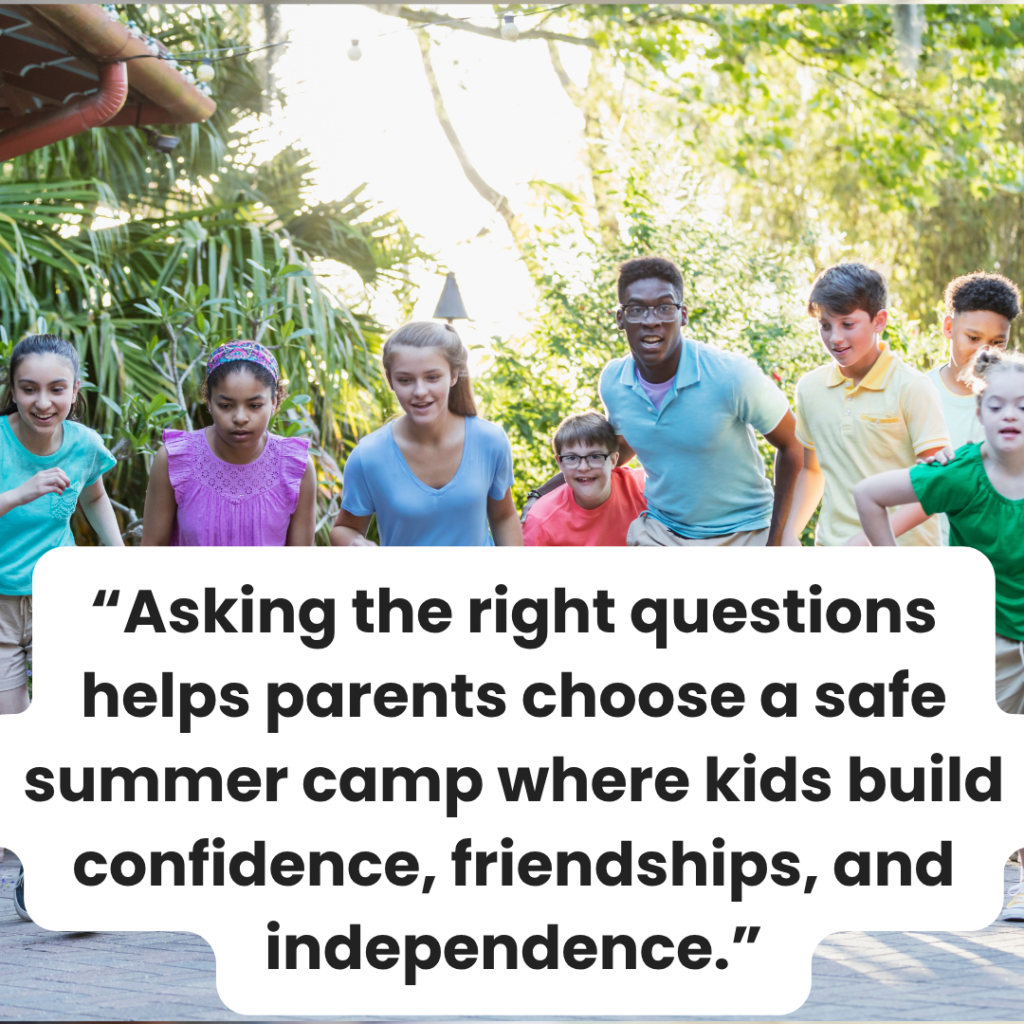

Author: Sebastian Martinez

  • Day Camp vs Overnight Camp: Which Is Best for Your Child?

    Day Camp vs Overnight Camp: Which Is Best for Your Child?

    Introduction

    One of the biggest decisions parents face when planning summer is choosing between day camp and overnight camp. Both options promise fun, friendships, and new experiences, yet they create very different summer journeys for children.

    Some parents feel confident choosing right away, while others wonder whether their child is ready to stay away from home. Questions about independence, safety, cost, and emotional readiness often come up. The truth is that there is no single “right” choice. The best option depends on your child’s personality, comfort level, and stage of development.

    Understanding the differences between day camp and overnight camp can help you choose with confidence and excitement rather than uncertainty.


    What Is a Day Camp?

    Day camps run during daytime hours, typically beginning with morning drop-off and ending with afternoon pick-up. Children participate in structured activities throughout the day and return home each evening.

    This format allows kids to experience the fun and growth of camp while still maintaining the comfort and routine of home life. For many families, day camp acts as a bridge between school and more independent summer experiences.

    Children enjoy games, sports, arts, outdoor play, and group activities, then head home to share stories about their day with family at dinner.


    Benefits of Day Camp

    A Gentle Introduction to Camp Life

    For many children, day camp represents their first independent experience away from parents. While school offers independence academically, camp provides independence socially and emotionally.

    Returning home every evening allows children to process new experiences with family support. This gentle introduction helps build confidence without overwhelming younger campers.

    Maintains Family Routine

    One of the biggest advantages of day camp is the ability to maintain daily routines. Children continue sleeping in their own beds, eating family meals, and staying connected to their home environment.

    This consistency reduces anxiety and helps children feel secure while still enjoying new experiences during the day.

    Parents also benefit from maintaining their regular routines, making day camp a practical option for many families.

    More Affordable for Many Families

    Cost is an important factor when planning summer activities. Day camps typically cost significantly less than overnight camps because they don’t include accommodation, meals, or round-the-clock staffing.

    For families with multiple children or longer summers to fill, day camp can provide excellent value while still offering meaningful experiences.

    Ideal for Younger Children

    Day camps are often best suited for children ages 4–9, although many programs extend to older age groups. Younger children are still developing independence and may not yet feel ready to sleep away from home.

    Day camp allows them to grow at a comfortable pace while gaining confidence and social skills.


    What Is an Overnight Camp?

    Overnight camps—often called sleepaway camps—create a fully immersive experience. Children stay at camp for several days or weeks, living in cabins, eating meals together, and participating in activities from morning until bedtime.

    This type of camp creates a mini community where campers develop routines, friendships, and independence in a way that simply isn’t possible during a single day.

    Evenings often include campfires, games, storytelling, or special events, creating a unique atmosphere that many campers describe as magical.


    Benefits of Overnight Camp

    Rapid Independence Growth

    One of the most powerful benefits of overnight camp is the independence it fosters. Without parents nearby, children learn to manage daily routines on their own.

    They begin to take responsibility for their belongings, organize their time, and make decisions independently. These skills often develop quickly because campers are immersed in an environment designed to support growth.

    Parents are often surprised by how capable their children feel after just one overnight camp session.

    Stronger Friendships

    Living together creates opportunities for deeper friendships. Sharing cabins, meals, and daily adventures allows campers to bond in meaningful ways.

    These friendships often feel different from school friendships because they form through shared experiences and teamwork rather than classroom routines.

    Many children stay in touch with camp friends long after summer ends.
    Full Immersion in Camp Life

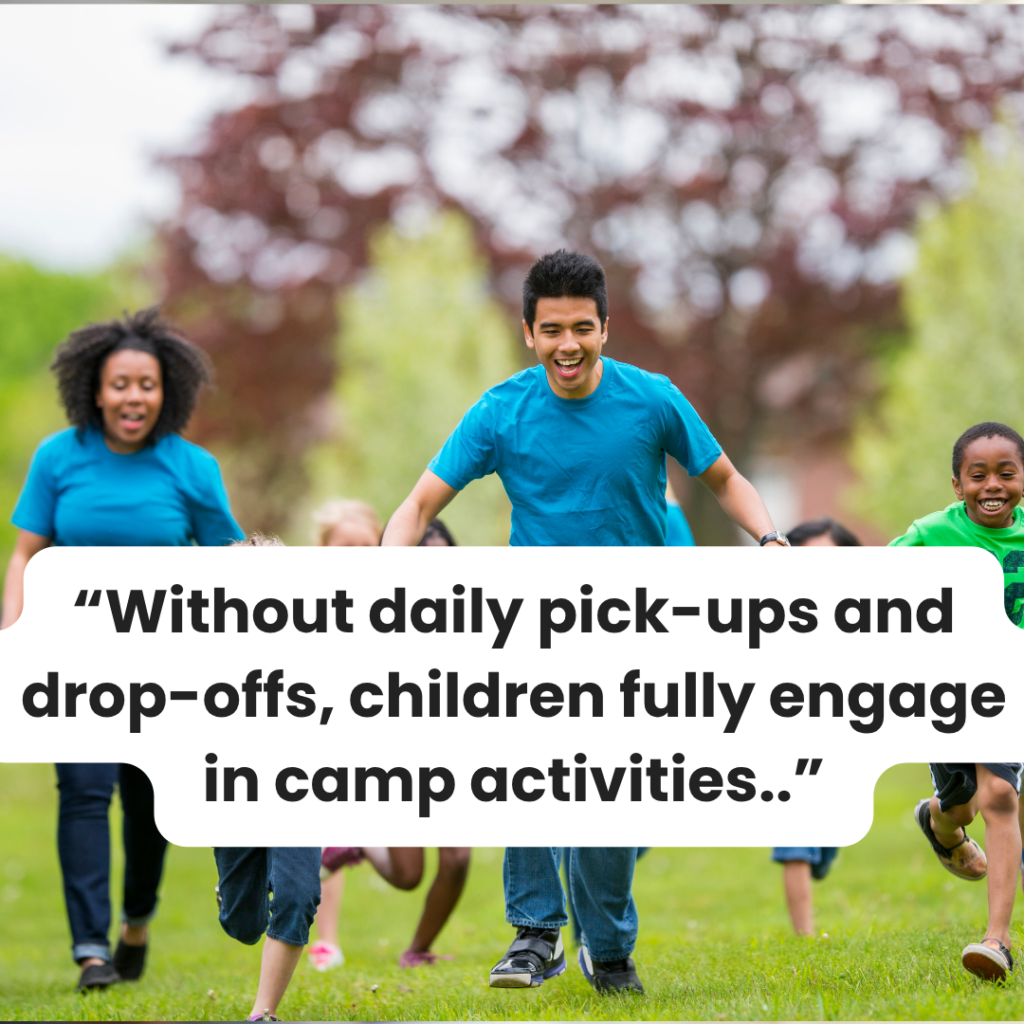
    Without daily pick-ups and drop-offs, children fully engage in camp activities. They experience the entire rhythm of camp life, from morning wake-up to evening campfires.

    This immersion helps children feel part of a community and encourages them to try new activities without the distraction of returning home each day.

    Confidence and Resilience Boost

    Overnight camp often provides a noticeable boost in confidence. Children learn that they can handle new situations, adapt to change, and thrive away from home.

    Parents frequently describe seeing a more confident, independent version of their child after camp.


    Emotional Readiness Matters Most

    Age plays a role in camp readiness, but emotional readiness is even more important. Some children feel ready for overnight camp at age seven, while others prefer to wait until age ten or older.

    Children may be ready for overnight camp if they enjoy sleepovers, show independence at home, adapt well to new environments, and express excitement about staying away.

    Feeling nervous is completely normal. In fact, excitement mixed with nerves often signals readiness for growth.


    Common Parent Concerns About Overnight Camp

    Many parents worry about homesickness, safety, and communication. These concerns are natural and shared by many families.

    Homesickness is common and usually temporary. Camp staff are trained to help children adjust and feel supported. Camps also have systems in place to contact parents if needed, and safety standards are typically very strict.

    Understanding how camps handle these situations can ease many worries.


    Can Kids Transition Gradually?

    Many families choose a gradual path. Children may start with day camps, try short overnight programs lasting a few days, and eventually progress to longer sleepaway experiences.

    This step-by-step approach helps children build independence naturally and confidently.


    Which Option Is Right for Your Child?

    Day camp may be the right choice if your child is new to camp, prefers familiar routines, or feels nervous about overnight stays.

    Overnight camp may be ideal if your child enjoys sleepovers, wants more independence, and feels excited about new challenges.

    Both paths lead to growth, friendships, and memorable summer experiences.


    Final Thoughts

    There is no better or worse option—only what’s right for your child right now. Whether your child returns home each afternoon or writes letters from a cabin, both experiences offer opportunities for growth, confidence, and connection.

    The goal isn’t choosing the perfect camp experience forever. It’s choosing the right next step for this summer.

    And no matter which path you choose, summer camp has a wonderful way of helping children grow in ways parents never expect.


  • What Age Should Kids Start Summer Camp? A Parent Guide by Age Group

    What Age Should Kids Start Summer Camp? A Parent Guide by Age Group

    Introduction

    One of the most common questions parents ask when planning summer is simple but surprisingly tricky: What age should my child start summer camp?

    Many parents worry about starting too early and overwhelming their child, while others wonder if they’ve waited too long and missed the ideal window. The reassuring truth is that there isn’t one “perfect” age. Summer camps are designed to grow with children, offering different experiences that match their developmental stage.

    Instead of focusing on the exact age, it’s more helpful to think about readiness, personality, and the type of camp experience that fits your child right now. From preschool day camps to leadership programs for teens, summer camp can become a meaningful part of childhood at many stages.

    Let’s walk through what camp typically looks like at each age and how parents can decide when the timing feels right.


    Ages 4–5: A Gentle First Step Into Camp

    For many families, the first introduction to summer camp happens during the preschool years. At this stage, camps are designed to feel familiar, structured, and comforting rather than adventurous or challenging.

    Programs for this age group usually run as half-day or full-day day camps. The focus is on play, creativity, simple routines, and social interaction. Children sing songs, play games, do crafts, and enjoy outdoor time, all within a predictable daily schedule.

    The purpose of camp at this age is not independence—it is confidence. Camp gives young children a chance to practice being away from parents in a safe and supportive setting. They learn how to follow group routines, listen to new adults, and interact with peers outside of daycare or school.

    Parents often find that children who attend camp at this age gain confidence quickly. They begin to understand that they can enjoy new environments and return home at the end of the day feeling proud and excited.


    Ages 6–8: Confidence Begins to Grow

    By early elementary school, summer camp often becomes a highlight of the year. Children in this age range are typically more socially confident and curious about trying new activities.

    This is when many kids begin attending full-day camps for multiple weeks each summer. They are better able to follow schedules, participate in group games, and build friendships. At this stage, camp often shifts from being a new experience to becoming a summer tradition.

    Children between six and eight thrive in environments where they can explore a wide range of activities. Multi-activity camps become especially popular because they allow kids to try sports, arts, outdoor play, and group challenges all in one place.

    These experiences help children discover new interests and begin to feel a sense of belonging within the camp community. Many parents notice their children returning home more confident, more independent, and excited to go back the next day.


    Ages 9–11: The Transition Toward Independence

    Around ages nine to eleven, something important begins to shift. Children start craving more independence and bigger experiences. This is often the stage when families begin considering overnight camps for the first time.

    Not every child is ready for sleepaway camp at this age, but many become curious about it. They may enjoy sleepovers, adapt well to new environments, and express excitement about bigger adventures.

    Some families choose to start with short overnight programs lasting a few days. These shorter stays can be a wonderful bridge between day camp and longer overnight experiences. They allow children to practice independence while still feeling supported.

    During these years, camp becomes a powerful environment for growth. Children learn to manage routines, navigate friendships, and solve small challenges on their own. The sense of accomplishment they feel after a successful camp experience can be incredibly meaningful.


    Ages 12–14: The Heart of the Camp Years

    For many children, the tween and early teen years become the most impactful time for camp experiences. At this stage, overnight camps, adventure programs, and specialty camps often feel especially exciting and rewarding.

    This is a time of major social and emotional development. Kids are forming their identities, seeking independence, and building deeper friendships. Camp provides a supportive environment where they can grow without the pressures of school.

    Without the distractions of screens and academic expectations, children have space to connect, challenge themselves, and explore their interests. Many lifelong friendships begin during these years, and the memories created often become some of the most cherished of childhood.

    Parents frequently notice significant growth after camp during this stage. Children return home more confident, more independent, and more comfortable navigating new situations.


    Ages 15–17: Leadership and Responsibility

    Summer camp doesn’t end in childhood. For teenagers, camp often evolves into leadership and skill-building opportunities.

    Many camps offer counselor-in-training or leadership programs designed specifically for teens. These programs allow older campers to mentor younger children, develop responsibility, and gain valuable real-world experience.

    Teen camp programs can be especially powerful because they help young people build confidence, communication skills, and leadership abilities. These experiences often become valuable additions to resumes, job applications, and future opportunities.

    For teens, camp becomes less about being cared for and more about contributing, leading, and growing into young adults.


    So When Is the Right Time to Start?

    After exploring each age group, the biggest takeaway is this: there is no universal “right age” to start summer camp. The best time depends on your child’s personality, comfort level, and curiosity about new experiences.

    Some children are eager to start camp at four or five, while others feel more ready closer to seven or eight. Some children love overnight camp at nine, while others prefer waiting until their teen years. All of these paths are normal and valid.

    The most important signal to watch for is interest. When children feel curious and excited about camp, they are usually ready to begin.


    Final Thoughts

    Summer camp is not a single experience—it is a journey that can grow alongside your child for many years. Starting at the right time helps children build confidence gradually and develop independence at their own pace.

    Whether your child begins camp in preschool or later in childhood, the goal is the same: helping them discover new abilities, build friendships, and create positive summer memories.

    The best time to start summer camp is simply when your child is ready to take that first exciting step.

  • 5 Questions Parents Should Ask Before Booking a Summer Camp

    5 Questions Parents Should Ask Before Booking a Summer Camp

    Booking a summer camp can feel exciting, but also a little overwhelming. There are so many options, promises, and glossy photos that make every program look perfect. Parents often end up choosing based on location, price, or convenience, but summer camp is a big experience for a child. The right camp can boost confidence, independence, and friendships. The wrong one can leave kids feeling bored, anxious, or disconnected.

    The best way to feel confident in your choice is to ask the right questions before you register. When you know what to look for, you can move beyond marketing and truly understand how a camp operates and whether it fits your child’s needs.

    Let’s walk through the most important questions every parent should ask before booking a summer camp.


    1. What is the camp’s main focus and philosophy?

    Every camp has a personality. Some focus heavily on sports, others on arts, academics, outdoor adventure, or leadership. Ask how the camp defines its mission and what skills or experiences they want children to gain. A camp that prioritizes teamwork and personal growth may look very different from one focused on competition or performance.


    2. What ages is the camp designed for?

    Age grouping matters more than many parents realize. Kids thrive when they’re surrounded by peers at a similar developmental stage. Ask how campers are grouped and whether activities are adapted for different age ranges. A program designed for teens will feel very different from one for younger children.


    3. What does a typical day actually look like?

    Instead of asking for a schedule alone, ask the camp to walk you through a real day. How much time is spent indoors vs. outdoors? Are there breaks? Is the day structured or flexible? Understanding the rhythm of the day helps you picture your child’s experience more clearly.


    4. What is the staff-to-camper ratio?

    This question is one of the most important for safety and supervision. Smaller ratios usually mean more attention, better support, and safer environments. Ask how many campers each counsellor supervises and whether ratios change for different activities like swimming or field trips.


    5. How are staff hired and trained?

    Great camps invest heavily in their staff. Ask about training, background checks, certifications, and experience. You can also ask how long staff typically stay with the camp. High staff retention often signals a strong and supportive environment.


    6. How does the camp handle safety and emergencies?

    Parents should never feel shy about asking safety questions. Find out how the camp manages injuries, allergies, heat safety, and emergency situations. Ask if staff are trained in first aid and CPR, and how parents are contacted if something happens.


    7. What is the camp’s approach to inclusion and belonging?

    Every child deserves to feel welcome. Ask how the camp supports children with different learning styles, abilities, or social comfort levels. Do they adapt activities? Do they offer additional support if a child feels overwhelmed or homesick?


    8. How does the camp handle behaviour and conflict?

    Kids are learning social skills, and disagreements happen. Ask how staff manage conflicts, bullying, or behaviour challenges. Camps that focus on teaching communication and problem-solving tend to create more positive environments.


    9. What is the balance between structure and choice?

    Some children love a structured schedule, while others thrive with flexibility. Ask how much choice campers have in activities. Camps that offer some choice often help kids feel more independent and engaged.


    10. What happens if my child feels nervous or homesick?

    Even day camps can feel overwhelming at first. Ask how staff support children who feel anxious or unsure. Knowing there’s a plan for emotional support can bring peace of mind to both parents and kids.


    11. How does the camp communicate with parents?

    Clear communication builds trust. Ask how the camp shares updates, reminders, and important information. Do they send newsletters, emails, or daily summaries? Will you receive updates if there’s a schedule change?


    12. What is included in the camp fees?

    Camp pricing can vary widely, and surprises are never fun. Ask what’s included and what costs extra. Some camps include supplies, snacks, or trips, while others charge additional fees. Understanding the full cost upfront helps avoid stress later.


    13. What should my child bring each day?

    Knowing what to pack helps your child feel prepared and comfortable. Ask about clothing, equipment, lunches, and weather considerations. Camps that provide detailed packing guidance often run more smoothly.


    14. How does the camp measure success?

    This question often reveals a lot. Some camps focus on skill development, others on friendships, confidence, or fun. Hearing how they define a successful summer can help you decide if their goals match yours.


    15. Why do families return to this camp year after year?

    This is a great closing question when speaking to camp staff. Their answer will often highlight what they believe sets them apart. Returning families usually signal positive experiences and strong relationships.


    Bringing It All Together

    Choosing a summer camp is about more than filling time during the summer. It’s about giving your child an environment where they can explore new interests, build friendships, and grow in confidence.

    When parents ask thoughtful questions, they move from guessing to understanding. Instead of hoping a camp will be a good fit, you can feel confident you’ve chosen an experience that aligns with your child’s personality, interests, and needs.

    The best camps welcome these questions and are happy to answer them. After all, summer camp is a partnership between families and program staff. When communication starts early, it sets the stage for a positive and memorable summer.

    Taking the time to ask these questions now can make all the difference later. Your child deserves a summer filled with fun, growth, and memories that last far beyond the final day of camp.

  • The Real Benefits of Summer Camp (Backed by Child Development Research)

    The Real Benefits of Summer Camp (Backed by Child Development Research)

    Every summer, parents ask the same question: Is summer camp really worth it?

    Between the cost, the planning, and the logistics, it’s natural to wonder whether camp is simply a fun way to fill the summer months or something more meaningful.

    The truth is that summer camp offers much more than entertainment. Decades of child development research consistently show that camp experiences support social, emotional, and personal growth in ways that traditional classroom environments often can’t. Summer camp provides a unique combination of independence, peer interaction, real-world problem solving, and confidence-building that children carry with them long after summer ends.

    Let’s explore the real, research-backed benefits of summer camp and why it plays such an important role in child development.


    Summer Camp Builds Confidence Through New Experiences

    One of the biggest benefits of summer camp is the way it encourages children to try new things. During the school year, kids often stick to familiar routines and subjects. Camp, however, invites exploration.

    Whether it’s learning archery, performing on stage, coding a simple game, or trying a new sport, camp gives children opportunities to step outside their comfort zone in a supportive environment.

    When children successfully try something new, their self-confidence grows. Even small achievements—climbing higher on a rock wall, making a new friend, or learning a new skill—send a powerful message: I can do hard things.

    This sense of capability can carry into school, friendships, and future challenges.


    Camp Encourages Independence in a Safe Way

    Many parents notice a surprising shift after just one week of camp. Kids start packing their own bags, remembering their water bottles, and taking responsibility for their belongings.

    This happens because camp naturally encourages independence. Children spend time away from their usual routines and learn to make decisions on their own within a safe and structured environment.

    They learn how to:

    • Manage their time
    • Solve small problems independently
    • Ask for help when they need it
    • Adapt to new situations

    These skills are essential for growing independence and self-reliance. Camp acts as a gentle bridge between the security of home and the growing responsibilities of adolescence.


    Social Skills Grow Naturally at Camp

    During the school year, social circles can become predictable. Kids often spend time with the same classmates and follow the same daily structure.

    Camp changes that environment completely.

    Children meet new peers from different schools, backgrounds, and interests. They learn how to introduce themselves, join group activities, cooperate in teams, and navigate new friendships.

    Unlike school, camp social interactions are often built around fun and shared experiences. Kids bond while playing games, working on projects, or cheering each other on. These shared moments help friendships form quickly and naturally.

    For children who are shy or struggle socially, camp can be especially powerful. It offers a fresh start and the chance to build confidence in social settings.


    Camp Strengthens Emotional Resilience

    Resilience is the ability to handle challenges and bounce back from setbacks. It’s one of the most important life skills a child can develop.

    At camp, challenges appear in everyday situations. A child might lose a game, feel nervous about trying something new, or experience a small disagreement with a friend.

    In these moments, camp staff guide children through problem-solving and emotional regulation. Kids learn how to:

    • Handle disappointment
    • Work through frustration
    • Practice patience
    • Celebrate effort, not just results

    Because camp environments are supportive and encouraging, children learn that setbacks are part of growth, not something to fear.


    Kids Get a Healthy Break From Screens

    Modern childhood often includes significant screen time. While technology can be valuable, many parents worry about how much time their children spend online.

    Summer camp provides a refreshing change of pace. Days are filled with physical activity, creative projects, outdoor exploration, and face-to-face interaction.

    This shift gives children a chance to reconnect with hands-on experiences and real-world play. Parents often notice improvements in mood, sleep patterns, and overall energy levels after a week or two of camp.

    The break from screens isn’t just refreshing—it helps children rediscover the joy of active, imaginative play.


    Camp Helps Children Discover New Interests

    Many lifelong passions begin at summer camp. Without the pressure of grades or performance, kids feel free to explore new hobbies purely for enjoyment.

    A child who has never tried painting might discover a love of art. A hesitant athlete may realize they enjoy team sports. A curious learner might develop an interest in science or leadership.

    These discoveries can shape future extracurricular activities, school choices, and even career interests. Camp creates a space where curiosity is encouraged and exploration is celebrated.


    Teamwork and Collaboration Become Everyday Skills

    Camp is built around group experiences. From team games to collaborative projects, children constantly practice working together.

    They learn how to listen, contribute ideas, take turns, and support others. These teamwork skills are essential not only in school but throughout life.

    When children work toward shared goals—winning a relay race, putting on a performance, or completing a group challenge—they experience the value of cooperation firsthand.


    Camp Creates Lasting Memories and Positive Associations With Learning

    When learning is fun, it sticks. Camp blends education with play, helping children associate growth with enjoyment rather than pressure.

    Positive memories formed at camp often become some of the most cherished parts of childhood. The friendships, laughter, and sense of achievement create emotional connections that last for years.

    These memories build a foundation of confidence and curiosity that continues into the school year and beyond.


    Why Summer Camp Is Truly Important

    When parents ask why summer camp matters, the answer goes far beyond keeping kids busy. Camp supports the development of the whole child—socially, emotionally, and personally.

    It helps children grow into confident, capable individuals who are comfortable trying new things, making friends, and solving problems.

    Summer camp is not just a seasonal activity. It’s an experience that nurtures independence, resilience, curiosity, and confidence—all essential skills for life.


    The Takeaway for Parents

    Choosing a summer camp is an investment in your child’s growth. While every program looks different, the underlying benefits remain consistent: children gain confidence, independence, friendships, and life skills that extend far beyond summer.

    For many families, camp becomes a highlight of the year—not just for the fun, but for the transformation they see in their children.

    And that transformation is what makes summer camp truly worthwhile.

  • Why Summer Camp Helps Kids Develop Leadership Skills Early

    Leadership is not just for adults. The foundations of leadership begin in childhood through teamwork, responsibility, communication, and problem-solving. Summer camp offers one of the best environments for children to begin developing leadership skills naturally and confidently.

    At camp, kids learn how to work with others, make decisions, and take initiative in ways that feel fun and engaging rather than formal or academic. There are no tests or grades—just real-life experiences that help children grow. These early leadership experiences help shape confident, capable individuals who are ready to take on challenges at school and in life.

    Let’s explore how summer camp helps children develop leadership skills from an early age.


    Leadership Begins With Responsibility

    Leadership always begins with responsibility. Before children can lead others, they must learn to take ownership of their actions and understand how their choices affect those around them.

    At camp, children are given age-appropriate responsibilities that encourage independence and accountability. Campers may:

    • Keep track of their belongings
    • Help set up and clean up activities
    • Follow daily schedules and routines
    • Support group tasks and shared responsibilities

    These responsibilities might seem small, but they have a powerful impact. Children begin to understand that they play an important role in their community. When kids feel trusted and capable, they begin to see themselves as responsible individuals—an essential first step in leadership development.


    Teamwork Is the Foundation of Leadership

    Many people think leadership means being in charge, but true leadership is rooted in teamwork. Great leaders know how to collaborate, listen, and support others.

    Summer camp activities often require collaboration and group problem-solving. Whether children are playing sports, completing outdoor challenges, or working on creative projects, teamwork is part of daily life at camp.

    Through these experiences, children learn how to:

    • Share ideas respectfully
    • Listen to others’ perspectives
    • Encourage teammates
    • Work toward shared goals

    These lessons help kids understand that leadership is not about control—it is about helping a group succeed together.


    Communication Skills Develop Naturally

    Strong leaders are strong communicators. Camp provides daily opportunities for children to practice communication in real-world settings.

    Throughout the day, campers practice:

    • Speaking clearly in group settings
    • Listening actively to instructions and peers
    • Resolving small disagreements respectfully
    • Expressing ideas and opinions

    Because these experiences happen in fun, low-pressure environments, children feel comfortable practicing communication without fear of judgment. Over time, they become more confident speaking up and sharing ideas—skills that benefit them in school, friendships, and future careers.


    Decision-Making Builds Confidence

    Leadership involves making decisions and taking initiative. Camp encourages children to make choices and solve problems throughout the day.

    Campers may decide:

    • Which activities they want to try
    • How to approach team challenges
    • How to solve problems that arise
    • How to organize their time and belongings

    Learning to make decisions helps children develop independence and confidence. They begin to trust their judgment and feel capable of handling new situations.

    Decision-making also teaches accountability. When children see the outcomes of their choices, they learn valuable lessons about responsibility and growth.


    Leadership Opportunities Grow Over Time

    Many camps offer leadership progression as children grow older. Younger campers begin by learning responsibility and teamwork, while older campers may take on more advanced leadership roles.

    Opportunities can include:

    • Mentoring younger campers
    • Helping lead group activities
    • Assisting counsellors with events
    • Participating in junior leadership programs

    These experiences allow children to practice leadership in a safe and supportive environment. They learn how to guide others, offer encouragement, and take initiative—all while being supported by experienced staff.


    Problem-Solving Strengthens Leadership Skills

    Leadership often involves navigating challenges and finding solutions. Camp provides daily opportunities for children to practice problem-solving in real-world situations.

    Kids learn to:

    • Adapt to new environments
    • Overcome obstacles during activities
    • Work through disagreements
    • Think creatively to find solutions

    Problem-solving teaches resilience, flexibility, and critical thinking. These skills are essential for leadership and help children feel prepared to handle challenges confidently.


    Confidence and Leadership Go Hand in Hand

    Leadership and confidence grow together. As children gain experience and responsibility at camp, their confidence naturally increases.

    Confident kids are more willing to:

    • Speak up and share ideas
    • Volunteer for responsibilities
    • Try new activities
    • Support and encourage others

    When children feel confident in themselves, they become more comfortable stepping into leadership roles.


    Leadership Skills Carry Into School and Daily Life

    The leadership skills children learn at camp do not stay at camp. Kids often return to school more willing to:

    • Participate in group projects
    • Take initiative in activities
    • Help classmates and peers
    • Demonstrate responsibility and teamwork

    These skills can positively influence academic success, extracurricular involvement, and social development.

    Early leadership experiences also lay the foundation for future opportunities, including volunteering, sports teams, student leadership roles, and eventually careers.


    A Safe Environment to Practice Leadership

    One of the biggest advantages of camp is that it provides a safe space for children to practice leadership. Mistakes are treated as learning opportunities, and effort is celebrated.

    This supportive environment allows children to grow at their own pace and build leadership skills without pressure or fear of failure.


    Final Thoughts

    Summer camp provides an incredible environment for children to develop leadership skills through fun, teamwork, and real-life experiences. By learning responsibility, communication, collaboration, and problem-solving, kids begin building the leadership abilities that will benefit them for years to come.

    Summer camp isn’t just about fun—it’s about helping shape the confident, capable leaders of tomorrow.

  • How Summer Camp Builds Confidence in Kids and Teens

    Confidence is one of the most valuable skills a child can develop. It shapes how children approach school, friendships, challenges, and future opportunities. Yet confidence doesn’t appear overnight—it grows gradually through experiences that allow children to test their abilities, overcome challenges, and feel supported along the way.

    Summer camp offers the perfect environment for confidence to flourish. Away from familiar routines, academic pressure, and social expectations, children discover new strengths, try new activities, and learn they are capable of far more than they imagined. Camp provides a safe and encouraging space where growth feels natural, fun, and exciting.

    Let’s explore how summer camp becomes a powerful confidence-building experience for kids and teens.


    Trying New Activities in a Supportive Environment

    One of the biggest ways confidence grows at camp is through exposure to new experiences. Many children stick to familiar routines during the school year, but camp encourages exploration and discovery.

    Camp introduces children to activities they may not try anywhere else, such as:

    • Rock climbing
    • Canoeing and kayaking
    • Drama and performance
    • Archery
    • Team challenges and outdoor adventures
    • Creative arts and crafts

    Trying something new can feel intimidating at first. However, camp environments are designed to be supportive and encouraging. Counsellors focus on effort and participation rather than perfection, helping children feel safe stepping outside their comfort zones.

    Every time a child attempts something new—whether they succeed immediately or not—they build courage and self-belief.


    Small Successes Create Big Confidence

    Confidence doesn’t come from huge achievements alone. It grows from small victories that accumulate over time.

    At camp, children might:

    • Learn to swim independently
    • Perform in front of a group for the first time
    • Complete a challenging hike
    • Make a new friend
    • Master a new skill or hobby

    Each accomplishment reinforces a powerful belief: I can do hard things.

    These small successes build momentum. Children begin to trust their abilities and become more willing to try new challenges in the future.


    Independence Strengthens Self-Belief

    Summer camp encourages independence in age-appropriate ways. For many children, camp may be their first experience spending extended time away from parents or guardians.

    At camp, children learn to:

    • Manage daily routines
    • Make choices independently
    • Solve small problems on their own
    • Take responsibility for belongings and schedules

    These experiences help children realize they are capable of handling challenges without constant guidance. This sense of independence strengthens self-belief and helps children feel more confident in their abilities.

    When children return home, parents often notice increased maturity and self-reliance.


    Supportive Mentors Make a Big Difference

    Camp counsellors play a key role in building confidence. These mentors are trained to create positive, encouraging environments where every child feels valued and supported.

    Counsellors help build confidence by:

    • Encouraging effort and persistence
    • Celebrating progress and improvement
    • Offering guidance and reassurance
    • Helping children overcome fears and setbacks

    Having supportive role models helps children feel safe trying new things. When a trusted mentor believes in a child’s abilities, it becomes easier for the child to believe in themselves.


    Overcoming Fear Builds Courage

    Confidence often grows when children face and overcome fears. Camp offers many opportunities to do this in a safe and structured environment.

    Children may have the chance to:

    • Try unfamiliar activities
    • Meet new people and make new friends
    • Speak in front of groups
    • Take on leadership roles
    • Spend time away from home

    Each time a child faces a fear and succeeds, their confidence grows stronger. Even when challenges feel difficult, learning to push through builds resilience and courage.

    Over time, children begin to see challenges as opportunities instead of obstacles.


    Positive Peer Support Encourages Growth

    Camp communities are designed to be inclusive, welcoming, and supportive. Campers cheer each other on and celebrate successes together.

    Positive peer encouragement helps children:

    • Feel accepted and included
    • Feel valued and respected
    • Believe in their abilities
    • Develop strong friendships

    When children feel supported by peers, they are more likely to try new things and take healthy risks. The sense of belonging created at camp plays a powerful role in confidence development.


    Leadership Opportunities Build Self-Confidence

    As children grow older, many camps provide leadership opportunities that further strengthen confidence.

    Campers may:

    • Help younger campers learn new skills
    • Lead group activities or games
    • Take responsibility for projects or team challenges
    • Practice decision-making and teamwork

    Leadership experiences teach children that their ideas and contributions matter. Taking on responsibility helps them see themselves as capable, dependable, and strong.


    Confidence Carries Into School and Daily Life

    The confidence gained at summer camp doesn’t stay at camp—it carries into everyday life.

    After camp, children often feel more willing to:

    • Participate in class discussions
    • Try new extracurricular activities
    • Speak up and share ideas
    • Take on new challenges
    • Build new friendships

    Teachers and parents frequently notice increased independence, improved social skills, and greater willingness to step outside comfort zones.


    Resilience Strengthens Confidence Over Time

    Camp teaches children how to:

    • Try again after mistakes
    • Learn from challenges and setbacks
    • Adapt to new situations
    • Stay positive when things feel difficult

    Resilience and confidence grow together. When children learn they can recover from challenges, they become more confident in their ability to handle future obstacles.

    These lessons last far beyond the summer months.


    Final Thoughts

    Summer camp offers far more than fun and entertainment—it provides the real-life experiences children need to build lasting confidence. Through independence, challenges, friendships, and supportive mentorship, camp helps children discover their strengths and believe in their abilities.

    The confidence gained at camp often stays with children long after summer ends, supporting success in school, friendships, and future goals. For many kids and teens, summer camp becomes a turning point where they realize just how capable they truly are.

  • Screen-Free Summers: Why Kids Need Outdoor Camp Experiences More Than Ever

    Introduction

    Today’s children are growing up in a digital world. Screens are part of school, entertainment, communication, and daily routines. From online learning and video games to streaming services and social media, technology has become deeply woven into childhood.

    While technology offers many benefits, parents are increasingly concerned about the impact of excessive screen time. Questions about physical activity, sleep, attention, social skills, and mental wellbeing are more common than ever.

    Summer camp offers a powerful solution: a screen-free environment where children reconnect with nature, movement, creativity, and real-world experiences. In many ways, outdoor camps provide the balance modern childhood needs.


    The Reality of Screen Time Today

    Many children spend hours each day on:

    • Tablets
    • Smartphones
    • Video games
    • Streaming platforms
    • Computers for schoolwork

    During the school year, structured schedules help limit screen time. But when summer break arrives, daily routines change. Without school structure, screen use often increases dramatically.

    For busy families juggling work, screens can easily become the default activity. This is where summer camp can make a meaningful difference. Camp offers a healthy reset by giving children a break from constant digital stimulation.


    1. Outdoor Play Supports Physical Health

    Outdoor camp activities naturally encourage movement. Instead of sitting indoors, kids spend their days being active and engaged.

    Common outdoor camp activities include:

    • Swimming
    • Hiking
    • Sports and team games
    • Nature exploration
    • Adventure challenges

    Regular physical activity helps children:

    • Build strength and endurance
    • Improve coordination and balance
    • Develop lifelong healthy habits
    • Boost energy levels
    • Improve sleep quality

    After a summer of active days, many parents notice children feeling healthier, stronger, and more energetic.


    2. Nature Improves Mental Wellbeing

    Time spent outdoors has powerful benefits for mental health. Natural environments provide calm, space, and sensory balance that indoor environments often cannot match.

    Nature helps children:

    • Reduce stress and anxiety
    • Improve focus and attention
    • Boost mood and emotional wellbeing
    • Encourage curiosity and exploration
    • Develop a sense of calm

    Outdoor settings also offer a break from constant noise and notifications. This mental “reset” can be incredibly refreshing for children who are used to fast-paced digital environments.


    3. Camp Encourages Real-World Interaction

    Without screens, children focus on what’s around them and the people beside them.

    At camp, kids spend their days:

    • Talking face-to-face
    • Playing group games
    • Solving challenges together
    • Sharing experiences

    These real-world interactions help children strengthen communication skills and build meaningful friendships. Kids learn how to read social cues, express ideas, listen actively, and work as a team.

    These are skills that can only develop through real human interaction.


    4. Creativity Flourishes Without Screens

    When digital entertainment disappears, something amazing happens: children rediscover their creativity.

    Without instant entertainment, kids naturally turn to:

    • Arts and crafts
    • Imaginative play
    • Storytelling
    • Music and performance
    • Building and problem-solving

    Unstructured play gives children the freedom to experiment, invent, and explore their interests. Creativity becomes a daily habit rather than a scheduled activity.


    5. Kids Relearn How to Be Bored (In a Good Way)

    Boredom is often seen as something to avoid, but it plays an important role in development.

    When children experience boredom, they learn to:

    • Invent games
    • Explore new interests
    • Use imagination
    • Solve problems independently

    Camp provides safe opportunities for children to experience unstructured time. Instead of turning to a screen, they learn to create their own fun.

    This builds independence, resilience, and self-motivation.


    6. Camp Builds Healthy Habits and Routines

    Summer camp naturally encourages healthy daily rhythms. Most camps follow structured schedules that include:

    • Regular sleep routines
    • Balanced activity and rest
    • Outdoor time each day
    • Limited or no screen use
    • Group meals and social time

    These routines help children feel balanced and regulated. Many of these habits carry into the school year, making transitions back to school easier.


    7. Disconnecting Helps Kids Recharge

    Constant digital stimulation can lead to overstimulation and mental fatigue. Taking a break from screens helps children reset their attention and emotional balance.

    A screen-free environment helps children:

    • Improve focus
    • Reduce overstimulation
    • Sleep better
    • Feel calmer and more present

    Parents often notice that children return from camp happier, more relaxed, and more emotionally balanced.


    8. Camp Builds a Healthy Relationship With Technology

    Outdoor camps don’t reject technology—they help children learn balance.

    Kids discover they can:

    • Enjoy life offline
    • Connect without devices
    • Find entertainment in real-world experiences
    • Appreciate technology without depending on it

    Learning this balance is essential in a world where technology will always be present.


    Final Thoughts

    Screen-free summer camps offer something children need more than ever: time to move, explore, connect, and grow in the real world.

    By stepping away from screens, children rediscover creativity, friendship, independence, and the joy of outdoor play. Summer camp gives kids the chance to recharge, reset, and experience childhood in a way that feels active, social, and meaningful.

    In today’s digital age, that experience is more valuable than ever.

  • How Summer Camp Builds Leadership Skills in Children

    Leadership is not just about being in charge. It is about communication, responsibility, empathy, and the confidence to guide others in a positive way. While leadership is often associated with adults and workplace environments, childhood is actually the ideal time to begin developing these important skills.

    Summer camp provides a natural environment for leadership growth. Through teamwork, shared experiences, and age-appropriate challenges, children practice leadership in ways that feel fun and empowering rather than formal or pressured. Many campers do not even realize they are learning leadership skills—they simply feel proud, confident, and capable.

    Here is how summer camp supports kids’ leadership development in meaningful and lasting ways.


    Encouraging Responsibility

    At camp, children are often given small but meaningful responsibilities that help them feel trusted and capable. These opportunities are designed to be achievable and supportive, allowing kids to experience success while learning accountability.

    Common examples include:

    • Leading a group warm-up activity
    • Helping set up or clean up equipment
    • Supporting younger campers during games
    • Keeping track of team supplies
    • Assisting counselors with simple tasks

    Taking responsibility helps children understand that others rely on them. When kids see the positive impact of their contributions, they begin to develop a strong sense of ownership and pride in their actions.

    These small leadership opportunities gradually build confidence and independence step by step.


    Developing Communication Skills

    Strong leaders know how to communicate clearly, listen actively, and express ideas respectfully. Summer camp creates daily opportunities for children to practice these skills in real-life situations.

    Campers are encouraged to:

    • Share ideas during group planning
    • Explain rules or instructions in games
    • Offer encouragement to teammates
    • Ask questions when unsure
    • Resolve disagreements calmly

    Because camp environments are supportive and inclusive, children feel safer speaking up and practicing communication. Over time, even quieter campers often become more comfortable sharing their thoughts and participating in group discussions.

    These communication skills become valuable in school presentations, group projects, and social settings.


    Learning to Work as a Team

    Leadership is not about controlling others—it is about guiding, supporting, and collaborating. Many camp activities require teamwork, which naturally teaches children how leadership and cooperation work together.

    Examples of teamwork activities include:

    • Relay races and group games
    • Team sports
    • Scavenger hunts
    • Group problem-solving challenges
    • Adventure or obstacle courses

    Through these shared experiences, children learn to listen, compromise, and encourage one another. They begin to understand that leadership includes helping everyone succeed—not just focusing on personal achievement.

    This shift in mindset is a powerful step toward becoming a positive and supportive leader.


    Building Confidence Through Achievement

    Confidence grows when children experience success. Summer camp provides safe opportunities for children to step into leadership roles and try new challenges without fear of harsh judgment.

    Campers are encouraged to:

    • Try new roles within their group
    • Take healthy risks
    • Learn from mistakes
    • Celebrate progress and improvement
    • Receive supportive feedback

    When children successfully lead an activity or help their team reach a goal, they feel proud of themselves. These moments reinforce self-belief and motivate them to continue stepping forward.

    Over time, repeated success builds lasting confidence.


    Teaching Empathy and Respect

    Effective leaders understand and care about others’ perspectives. Camp environments bring together children from different backgrounds, personalities, and skill levels. Navigating these relationships teaches essential social and emotional skills.

    Children learn:

    • Patience when others need support
    • Empathy for different experiences
    • Inclusivity and kindness
    • Respect for diverse perspectives

    Camp activities often emphasize encouragement and teamwork, helping children understand the importance of uplifting others. This emotional awareness is a key component of strong leadership.


    Creating Opportunities for Decision-Making

    Leadership also involves making decisions and taking initiative. At camp, children frequently practice decision-making in age-appropriate ways.

    They may help choose:

    • Team strategies for games
    • Creative approaches to group projects
    • Ways to solve challenges
    • Roles within team activities

    Making decisions helps children feel empowered. They learn that their ideas matter and that thoughtful choices can lead to positive outcomes.


    Preparing for Future Success

    The leadership skills developed at summer camp extend far beyond the camp environment. Children who build leadership skills early often:

    • Participate more confidently in class
    • Volunteer for responsibilities
    • Support peers positively
    • Approach challenges with resilience
    • Develop strong teamwork habits

    These qualities benefit children throughout school, extracurricular activities, and eventually future careers.

    Leadership is not a single skill—it is a collection of habits, attitudes, and experiences that grow over time. Summer camp provides an ideal foundation for this growth.


    Final Thoughts

    Leadership skills summer camp experiences are powerful because they develop naturally through fun, hands-on activities and supportive relationships. By encouraging responsibility, communication, teamwork, empathy, and confidence, camp helps children grow into capable and compassionate young leaders.

    The lessons learned at camp do not end when summer ends. They continue shaping children’s confidence, relationships, and success for years to come.

  • How Summer Camp Encourages Creativity in Children

    Creativity is one of the most valuable skills children can develop. It supports problem-solving, innovation, emotional expression, and confidence. Creative thinking helps children approach challenges with curiosity and flexibility, skills that benefit them in school and throughout life.

    Summer camp offers an environment where imagination can truly thrive. Free from academic pressure and busy schedules, children have the time, space, and encouragement to explore new ideas and express themselves in creative ways.

    Let’s explore how summer camp helps children grow into confident and creative thinkers.


    Unstructured Time Sparks Imagination

    One of the biggest differences between school and camp is the amount of unstructured time children experience. While school schedules are often tightly organized, camp allows room for exploration and creative play.

    At camp, children might participate in:

    • Arts and crafts
    • Music and drama activities
    • Storytelling and creative writing
    • Nature-based art projects
    • Free play and imaginative games

    When children have time to explore without strict rules or expectations, their imagination naturally expands. They invent games, create stories, and experiment with new ideas.

    Unstructured time teaches children that creativity doesn’t need to be perfect or planned—it simply needs space to grow.


    Encouraging Self-Expression

    Creative activities provide children with opportunities to express thoughts, emotions, and ideas. Some children find it easier to express themselves through art, music, or movement than through words.

    Camp programs often include activities such as:

    • Painting and drawing
    • Crafting and sculpture
    • Singing and musical performances
    • Dance and drama
    • Creative writing and storytelling

    Through these experiences, children learn that their ideas matter and that their unique perspectives are valuable.

    This sense of self-expression helps build confidence and emotional wellbeing.


    Creativity Builds Confidence

    When children create something from their imagination, they feel proud of their accomplishments. Whether finishing a painting, performing in a skit, or inventing a new game, these moments build self-confidence.

    Creative success teaches children:

    • Their ideas have value
    • Effort leads to improvement
    • Mistakes are part of the process
    • They can take creative risks

    Confidence gained through creativity often transfers to other areas of life, including academics, friendships, and new experiences.


    Learning Through Hands-On Exploration

    Summer camp emphasizes hands-on learning, which naturally supports creativity. Instead of memorizing information, children explore and experiment.

    Hands-on creative experiences may include:

    • Building projects with recycled materials
    • Designing costumes or props
    • Creating nature crafts using leaves and rocks
    • Constructing forts or outdoor structures

    These activities encourage experimentation and problem-solving. Children learn that creativity often involves trial and error, and that trying new ideas is part of the fun.


    Collaboration Inspires New Ideas

    Creativity doesn’t happen in isolation. Working with others can inspire new perspectives and fresh ideas.

    At camp, children collaborate on:

    • Group art projects
    • Team performances
    • Creative challenges
    • Collaborative storytelling

    When children share ideas and build on each other’s creativity, they learn that teamwork can spark innovation.

    Collaboration also teaches children to respect different viewpoints and celebrate diverse ideas.


    Nature Inspires Creative Thinking

    Outdoor environments play a powerful role in creativity. Nature provides endless inspiration for art, storytelling, and imaginative play.

    Children might:

    • Create art from natural materials
    • Write stories inspired by outdoor adventures
    • Invent games in open spaces
    • Observe wildlife and create drawings or journals

    Nature encourages curiosity and exploration, which are essential for creative thinking.


    Freedom From Fear of Judgment

    At camp, creativity is encouraged without grades or strict evaluation. Children feel free to experiment because the focus is on enjoyment and effort rather than perfection.

    This supportive atmosphere helps children:

    • Take creative risks
    • Try new artistic activities
    • Explore unfamiliar interests
    • Feel proud of their work

    When children feel safe to experiment, their creativity flourishes.


    Developing Problem-Solving Skills

    Creativity and problem-solving go hand in hand. Camp activities often involve challenges that require innovative thinking.

    Examples include:

    • Designing a team skit with limited materials
    • Building structures during outdoor challenges
    • Creating group art projects
    • Inventing games for younger campers

    These experiences teach children to think creatively when solving problems.


    Creativity Supports Academic Success

    Creative thinking benefits children in school by improving:

    • Critical thinking
    • Writing and storytelling
    • Science and design skills
    • Innovation and curiosity

    Children who feel comfortable expressing ideas creatively often feel more confident participating in classroom activities.


    Lifelong Benefits of Creative Experiences

    The creativity children develop at camp extends far beyond summer. Creative thinking supports future success in many areas, including academics, careers, and personal growth.

    Creative children are more likely to:

    • Approach challenges with curiosity
    • Think outside the box
    • Express themselves confidently
    • Embrace new opportunities

    These skills are valuable throughout life.


    Final Thoughts

    Summer camp provides the perfect environment for creativity to flourish. Through unstructured time, hands-on exploration, collaboration, and self-expression, children learn to think creatively and confidently.

    By nurturing imagination and artistic expression, summer camp helps children develop skills that support learning, innovation, and self-confidence for years to come.