Blog

  •  How Summer Camp Helps Kids Develop Problem-Solving Skills

     How Summer Camp Helps Kids Develop Problem-Solving Skills

    Problem-solving is one of the most valuable life skills children can develop. From school assignments to friendships and future careers, the ability to think critically and find solutions helps children navigate life with confidence. While classrooms play an important role in learning, summer camp provides a unique environment where kids practice problem-solving naturally through hands-on experiences, teamwork, and real-world challenges.

    Unlike traditional academic settings, camp encourages learning through doing. Children experiment, collaborate, and adapt in real time, making the lessons both meaningful and memorable.
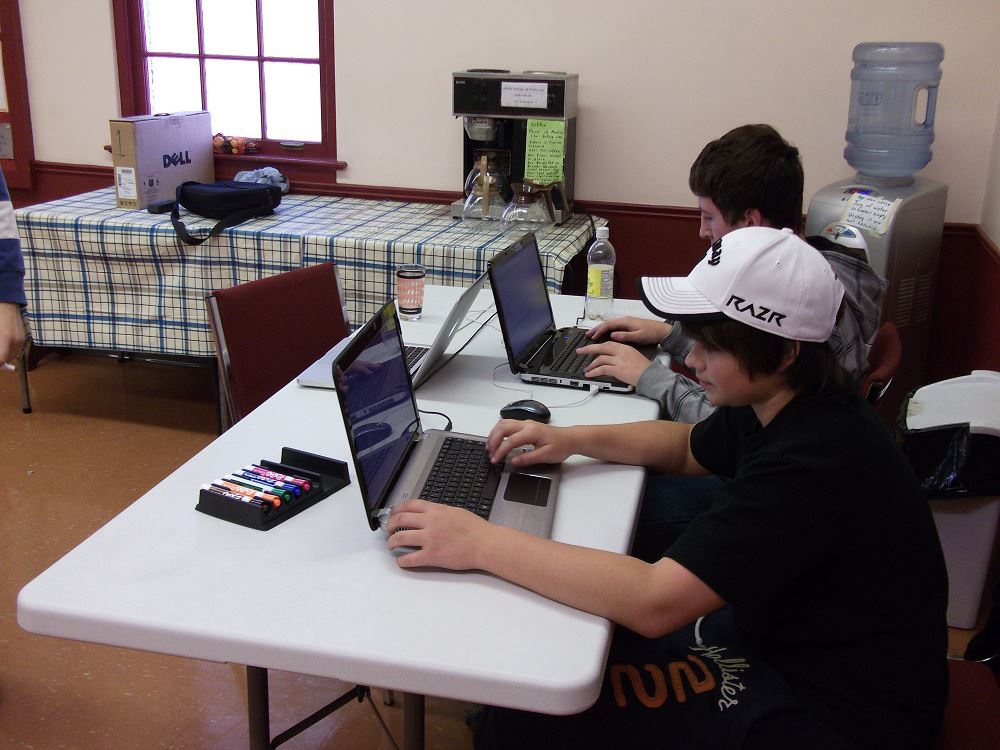

    Learning Through Real-Life Challenges

    One of the most powerful ways children learn problem-solving is by facing real-life challenges. At summer camp, these challenges are designed to be fun, engaging, and age-appropriate.

    Common examples include:

    • Completing scavenger hunts
    • Building shelters or forts
    • Navigating obstacle courses
    • Solving outdoor puzzles
    • Participating in group strategy games

    These activities encourage children to analyze situations, consider options, and test ideas. When children are placed in situations where solutions aren’t immediately obvious, they begin developing critical thinking skills naturally.

    Instead of being told what to do, campers are encouraged to figure things out together. This hands-on approach makes learning feel exciting and empowering.


    Encouraging Creative Thinking

    Camp environments rarely focus on finding a single “correct” answer. Instead, they celebrate creativity and exploration. Children are encouraged to approach challenges from different angles and try new strategies.

    This helps kids learn how to:

    • Brainstorm ideas
    • Think outside the box
    • Experiment with solutions
    • Adapt when plans change

    Creative thinking is a major part of problem-solving. When children realize there are multiple ways to approach a challenge, they become more flexible and confident in their thinking.

    These skills extend far beyond camp. Creative problem-solvers often perform better academically and feel more confident tackling unfamiliar situations.


    Team-Based Problem-Solving

    Many camp challenges are designed to be completed in groups. Team-based problem-solving teaches children how to collaborate, listen to others, and work toward shared goals.

    Through group activities, children learn to:

    • Share ideas openly
    • Respect different perspectives
    • Combine strengths and talents
    • Support teammates during challenges

    Working in a team helps children understand that solving problems is often easier when people work together. They also learn that every team member contributes something valuable.

    These collaboration skills are incredibly useful in school group projects, sports teams, and future workplaces.


    Learning to Make Decisions Independently

    Summer camp provides daily opportunities for children to make decisions on their own. Whether choosing activities, managing time, or planning strategies during games, kids learn to think independently.

    Decision-making teaches children:

    • Responsibility for choices
    • Confidence in their judgment
    • Time management skills
    • Accountability for outcomes

    Making small decisions regularly helps children build confidence in their ability to handle bigger challenges later in life.


    Learning From Mistakes

    One of the most valuable lessons children learn at camp is that mistakes are part of the learning process. In a supportive environment, children feel safe trying new things without fear of failure.

    At camp, mistakes become opportunities to:

    • Reflect on what went wrong
    • Try new approaches
    • Develop persistence
    • Build resilience

    Children quickly learn that setbacks are temporary and that effort leads to improvement. This growth mindset is essential for long-term success.


    Building Confidence Through Challenges

    Every successful problem solved gives children a sense of accomplishment. These moments build confidence and encourage kids to take on new challenges.

    As children overcome obstacles, they begin to believe:

    “I can figure this out.”
    “I can try again.”
    “I can handle challenges.”

    This growing confidence has a lasting impact on how children approach school, friendships, and new experiences.


    Preparing Kids for Real-Life Situations

    The problem-solving skills developed at summer camp help children succeed in many areas of life. Kids return home better prepared to:

    • Handle school assignments
    • Manage social challenges
    • Participate in group projects
    • Adapt to new environments
    • Approach challenges with confidence

    Problem-solving is not just an academic skill—it’s a life skill that supports independence, resilience, and success.


    Why Camp Is the Perfect Environment for Learning

    Summer camp creates a balance between challenge and support. Counsellors provide guidance while still allowing children to think independently and try their own solutions.

    This balance helps children feel:

    • Safe to take risks
    • Encouraged to explore ideas
    • Supported when challenges arise

    The result is a powerful learning environment where children grow in confidence and capability.


    Final Thoughts

    Summer camp offers children a unique opportunity to develop problem-solving skills through hands-on experiences, teamwork, and real-life challenges. By encouraging creativity, independence, and resilience, camp helps children learn how to approach challenges with confidence and curiosity.

    These skills last far beyond the summer months. They support academic success, social growth, and future career readiness.

    When children learn how to think critically and solve problems, they gain one of the most valuable tools for lifelong success.
  •  How Summer Camp Supports Healthy Screen-Free Habits

     How Summer Camp Supports Healthy Screen-Free Habits

    Many families today worry about how much time children spend on phones, tablets, gaming systems, and televisions. While technology has many benefits, too much screen time can impact sleep, focus, physical activity, and social interaction. Creating a healthy balance between digital and real-world experiences is an important goal for many parents.

    Summer camp offers a refreshing solution. By replacing screens with outdoor adventures, social connection, and hands-on activities, camp helps children rediscover the joy of living in the moment. Even more importantly, camp helps kids build habits that often continue long after summer ends.

    Let’s explore how summer camp supports healthier screen-free lifestyles.


    Encouraging Real-World Experiences

    At camp, screens are often limited or completely removed from daily routines. Instead, children spend their days engaged in real-world experiences that capture their attention and imagination.

    Camp replaces screen time with activities such as:

    • Outdoor adventures and nature exploration
    • Team sports and active games
    • Swimming and water activities
    • Arts, crafts, and creative projects
    • Group challenges and scavenger hunts
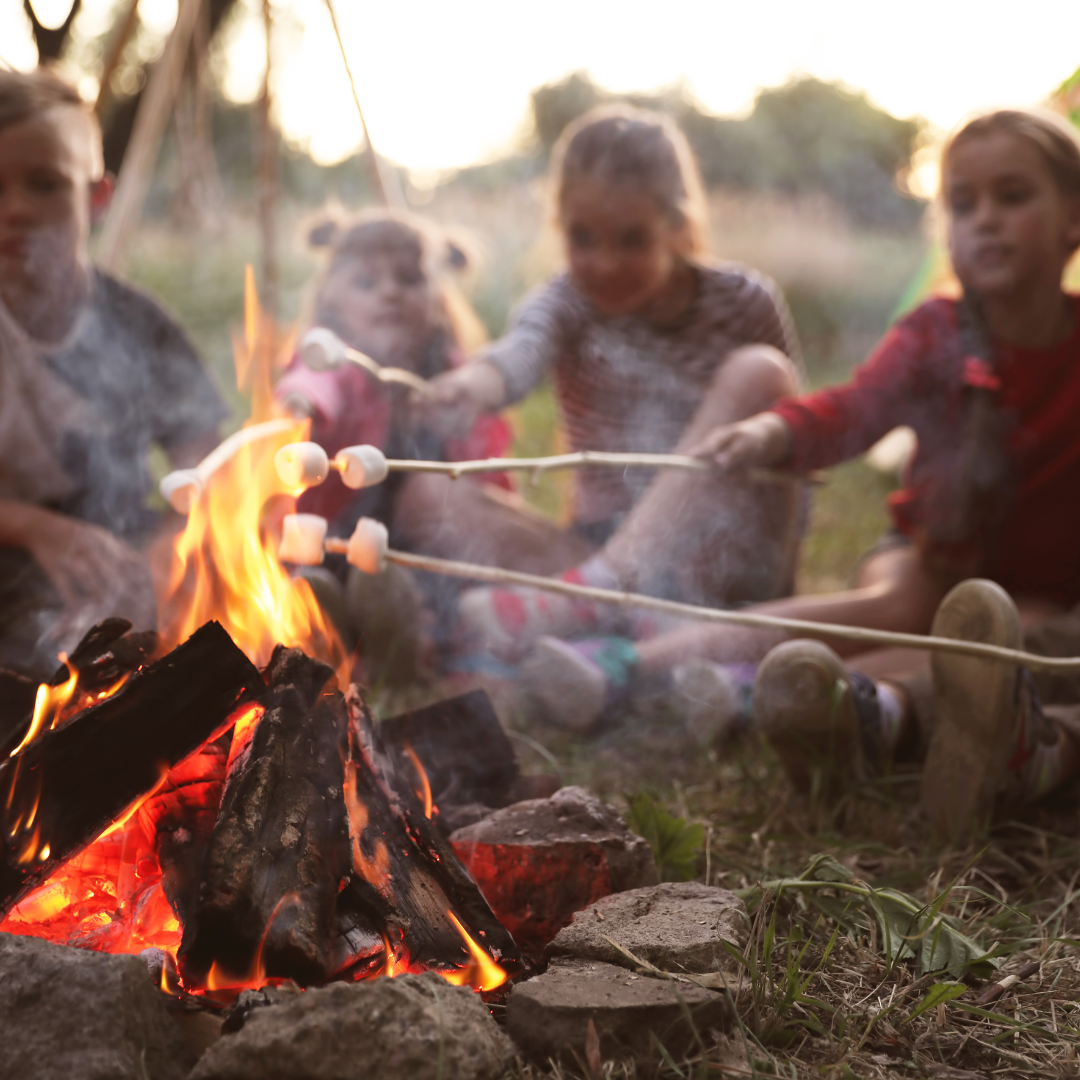
    • Campfires, storytelling, and performances

    These experiences are exciting, engaging, and interactive. Children quickly discover that fun doesn’t need a screen—it just needs opportunity and creativity.


    Reconnecting With Active Play

    Screen time often involves long periods of sitting. Summer camp encourages movement from morning to evening.

    Daily physical activities help children:

    • Improve fitness and coordination
    • Build strength and endurance
    • Develop healthy exercise habits
    • Sleep better at night

    When children associate fun with movement and outdoor play, they begin to see physical activity as enjoyable rather than a chore.


    Strengthening Social Skills

    Screens can sometimes replace face-to-face interaction. At camp, children spend their days connecting with peers in meaningful ways.

    They practice:

    • Starting conversations
    • Listening and responding
    • Working together in teams
    • Resolving conflicts respectfully
    • Building friendships

    These social experiences help children gain confidence in real-world communication, which is essential for emotional and social development.


    Reducing Digital Dependence

    Many children feel strongly attached to their devices simply because they have never experienced extended time without them. Camp provides a gentle and supportive opportunity to step away from technology.

    At first, some children may feel unsure about being unplugged. However, this feeling often fades quickly as they become immersed in activities and friendships.

    By the end of camp, many children realize they don’t miss screens as much as they expected. This shift in perspective is one of the most powerful benefits of a screen-free camp environment.


    Encouraging Mindfulness and Presence

    Screens often divide attention and encourage multitasking. Camp encourages children to be fully present in each moment.

    At camp, children learn to:

    • Focus on activities without distractions
    • Notice nature and surroundings
    • Enjoy conversations and shared experiences
    • Be mindful of their thoughts and feelings

    Being present helps children feel calmer, happier, and more connected to the world around them.


    Improving Sleep Habits

    Excessive screen use—especially before bedtime—can interfere with healthy sleep patterns. At camp, daily routines support better sleep.

    Camp schedules often include:

    • Full days of physical activity
    • Limited or no evening screen exposure
    • Consistent bedtime routines

    These habits help children fall asleep more easily and wake up feeling rested and energized.


    Building Confidence Without Technology

    Some children rely on technology for entertainment or comfort. Camp helps children discover their own abilities and interests without screens.

    They learn to:

    • Entertain themselves creatively
    • Solve problems independently
    • Try new hobbies and activities
    • Build confidence through real-world achievements

    This independence builds self-esteem and resilience.


    Creating Healthy Tech-Life Balance

    The goal of a screen-free camp is not to eliminate technology forever. Instead, it helps children develop a healthier relationship with screens.

    After camp, many children:

    • Spend more time outdoors
    • Choose active hobbies more often
    • Reduce recreational screen use
    • Understand the importance of balance

    Camp provides a reset that helps families establish healthier digital habits.


    Inspiring Family Lifestyle Changes

    Parents often notice positive changes after camp ends. Children may:

    • Suggest outdoor activities
    • Spend more time playing creatively
    • Be less dependent on devices for entertainment
    • Value face-to-face time with family and friends

    These changes can inspire families to adopt healthier routines together.


    Lifelong Benefits of Unplugging

    Learning to balance screen time is a lifelong skill. Children who experience screen-free environments learn:

    • Technology is a tool, not a necessity
    • Real-world experiences are rewarding
    • Friendships and memories happen offline
    • Outdoor play is fun and fulfilling

    These lessons help children grow into balanced and mindful technology users.


    Final Thoughts

    Summer camp offers children a valuable break from screens and a chance to reconnect with the real world. Through outdoor play, friendships, creativity, and adventure, kids learn that entertainment and connection don’t require technology.

    By encouraging healthier habits and balanced lifestyles, summer camp helps children build a positive relationship with technology that lasts long after summer ends.

  • The Top Questions Parents Forget to Ask Summer Camps

    The Top Questions Parents Forget to Ask Summer Camps

    Introduction

    When parents begin researching summer camps, they often focus on the basics: schedules, pricing, location, and activities. These are important questions, but they only tell part of the story.

    A truly great camp experience depends on safety, emotional support, communication, and camp culture. Many of the most important questions are the ones parents don’t think to ask—yet these details can make the biggest difference in your child’s experience.

    If you want to feel confident in your decision, this guide will help you uncover the key questions parents often forget to ask summer camps—and why they matter.


    Ask About Staff Retention

    One of the most overlooked but revealing questions is: How long do counsellors typically stay at the camp?

    High staff retention is a strong indicator of a positive camp environment. When staff return year after year, it usually means:

    • They enjoy working at the camp
    • They feel supported by leadership
    • They have experience working with children
    • They understand camp routines and expectations

    Experienced counsellors are better equipped to handle challenges, support campers, and create a safe and welcoming atmosphere. A camp with many returning staff members often offers greater consistency and stability.


    Ask About Conflict Resolution

    Children spend long days together at camp, and disagreements are normal. What matters most is how the camp handles these situations.

    Ask: How does the camp manage conflicts between campers?

    Look for answers that mention:

    • Teaching communication and empathy
    • Encouraging problem-solving
    • Staff mediation when needed
    • A focus on respectful behaviour

    A camp that prioritizes social development helps children learn important life skills while maintaining a positive environment.


    Ask About Communication With Parents

    Many parents forget to ask how they’ll stay informed during the camp session.

    Important questions include:

    • Will the camp send newsletters or updates?
    • Are photos shared regularly?
    • Who should parents contact with concerns?
    • How quickly can parents expect responses?

    Clear communication builds trust and helps parents feel connected while their child is at camp.


    Ask How Camps Support Shy or Anxious Children

    Every child is different. Some jump into new experiences easily, while others need time to adjust.

    Ask camps: How do you help children who are shy, nervous, or new to camp?

    Look for answers that include:

    • Buddy systems
    • Small group introductions
    • Staff trained in emotional support
    • Gradual participation in activities

    Camps that focus on emotional wellbeing help ensure every child feels welcomed and supported.


    Ask About a Typical Daily Routine

    Understanding what a typical day looks like helps both parents and children feel prepared.

    Ask:

    • What does a full day at camp look like?
    • How much downtime is included?
    • How often do activities change?
    • Are quiet or rest periods included?

    Knowing the rhythm of the day helps you determine whether the camp matches your child’s energy level and personality.


    Ask About Safety Training and Emergency Procedures

    Safety is one of the most important topics parents can discuss with camps, yet many only ask general questions.

    Go deeper by asking:

    • What certifications do staff hold?
    • How are emergencies handled?
    • Is there first-aid trained staff on-site at all times?
    • How are allergies and medical needs managed?
    • What are the camper-to-staff ratios?

    Detailed answers show that the camp prioritizes safety and preparedness.


    Ask About Camper Choice and Flexibility

    Some camps follow structured schedules, while others offer flexible activity choices.

    Ask:

    • Do campers choose their activities?
    • Can children try new activities during the session?
    • How are preferences considered?

    Children who feel a sense of choice often feel more engaged and excited about their camp experience.


    Ask About Returning Campers

    Another often-overlooked question is: What percentage of campers return each year?

    High return rates often indicate:

    • Positive camper experiences
    • Strong friendships
    • High parent satisfaction
    • A welcoming camp culture

    Returning campers are a strong sign that families trust and value the program.


    Ask About Camp Values and Culture

    Camp culture shapes everything—from friendships to staff interactions to how challenges are handled.

    Ask camps:

    • What values guide your program?
    • How do you promote kindness and inclusion?
    • How do you celebrate diversity?
    • What makes your camp community unique?

    A camp’s values often influence your child’s emotional experience just as much as the activities.


    Ask How Camps Handle Homesickness

    Homesickness is normal, especially for first-time campers.

    Ask:

    • How do staff respond when children miss home?
    • How are parents informed if a child is struggling?
    • What strategies help children adjust?

    Camps that prepare for homesickness help children overcome it successfully and grow in confidence.


    Ask About Screen Time Policies

    In today’s digital world, it’s helpful to understand the camp’s approach to technology.

    Questions to ask include:

    • Are phones allowed?
    • Is screen time limited or eliminated?
    • How does camp encourage offline engagement?

    Many parents choose camp specifically for a screen break, so understanding the policy is important.


    Final Thoughts

    Choosing a summer camp is a big decision, and asking the right questions helps you feel confident in your choice. While activities and schedules matter, the deeper questions reveal the quality of the camp experience.

    When parents take time to ask about staff, safety, communication, and culture, they gain valuable insight into how a camp truly operates.

    The more informed you are, the more confident you can feel choosing a summer camp where your child will feel safe, supported, and excited to grow.

  • Choosing the Right Summer Camp: A Complete Parent Guide

    Choosing the Right Summer Camp: A Complete Parent Guide

    Introduction

    With so many summer camps available today, choosing the right one can feel overwhelming. Day camps, overnight camps, sports camps, arts camps, STEM camps, leadership camps, outdoor adventure programs—the options seem endless. Parents often find themselves scrolling through websites, comparing schedules, reading reviews, and still wondering if they’re making the right choice.

    Common questions come up quickly. Which camp is the best fit? How do I know my child will enjoy it? What type of camp provides the most value? Is it better to choose a specialized camp or a general one? How long should camp last?

    The truth is, the “best” summer camp isn’t the most expensive or the most popular—it’s the one that matches your child’s personality, interests, comfort level, and readiness. When a camp aligns with who your child is, the experience becomes positive, memorable, and incredibly beneficial.

    This complete parent guide will walk you step-by-step through how to choose the right summer camp with confidence.


    Step 1: Consider Your Child’s Personality

    Every child is unique, and summer camp should reflect who they are. Choosing a camp that matches your child’s personality is one of the most important factors in ensuring a successful experience.

    Start by asking yourself a few honest questions:

    • Is my child outgoing or shy?
    • Do they prefer structure or flexibility?
    • Do they enjoy large groups or smaller settings?
    • Are they adventurous or cautious?
    • How comfortable are they in new environments?

    For example, social and energetic children may thrive in large, high-energy day camps filled with group games and busy schedules. Quiet or introverted children often feel more comfortable in smaller specialty camps where they can build confidence gradually. Independent kids may be ready for overnight camp, while first-time campers might benefit from starting with a day program.

    When camp matches personality, children feel comfortable faster, make friends more easily, and enjoy the experience more deeply.


    Step 2: Understand the Different Types of Summer Camps

    Knowing the main categories of summer camps helps narrow your search quickly. While there are many variations, most camps fall into three primary types.

    Day Camps

    Day camps run during daytime hours, and children return home each evening. These camps are ideal for younger children, first-time campers, and families who want to maintain daily routines. They offer a wide variety of activities and provide a gentle introduction to camp life.

    Overnight Camps

    Overnight camps (sleepaway camps) involve children staying at camp for several days or weeks. These programs provide immersive experiences that help children build independence, resilience, and strong friendships. They are often best suited for older children or those ready for greater independence.

    Specialty Camps

    Specialty camps focus on specific interests such as sports, arts, STEM, outdoor adventure, or leadership. These camps are perfect for children who already have strong interests or want to explore new passions in depth.

    Understanding these categories helps you quickly eliminate options that don’t match your child’s needs.


    Step 3: Think About Your Child’s Interests

    Children are far more likely to love camp when activities align with what they enjoy. Think about what naturally excites your child.

    Do they love being active and playing sports? Are they constantly drawing, building, or creating? Do they enjoy science experiments or technology? Are they happiest outdoors exploring nature?

    Common camp themes include sports and fitness, art and creativity, science and technology, music and performance, and outdoor adventure. If your child isn’t sure what they like yet, general day camps can be a great option because they allow children to try many activities in one program.

    Camp can be an opportunity to deepen existing interests or discover new ones.


    Step 4: Decide on the Right Camp Length

    Summer camps range from one-week sessions to multi-week programs. Choosing the right duration depends on your child’s age, experience, and comfort level.

    Shorter camps are ideal for first-time campers, younger children, or families trying camp for the first time. Longer camps are excellent for building deeper friendships, developing independence, and creating immersive experiences.

    Many families start with shorter sessions and gradually increase the length each year. This gradual approach builds confidence naturally.


    Step 5: Evaluate Safety and Staff Training

    Safety is one of the most important factors when choosing a summer camp. Reputable camps welcome safety questions and are happy to provide detailed answers.

    Look for camps that conduct background checks on staff, provide first-aid and CPR training, maintain strong supervision ratios, and follow clear safety procedures. Asking about staff training and camper supervision helps parents feel confident and informed.


    Step 6: Consider Location and Schedule

    Practical logistics matter more than parents often expect. Consider commute time, camp hours, before- and after-care options, and transportation availability.

    Choosing a camp that fits your daily routine reduces stress and makes mornings and afternoons smoother for the entire family.


    Step 7: Read Reviews and Ask Questions

    Reviews and testimonials can offer valuable insight into real family experiences. When speaking with camp staff, ask about daily schedules, communication methods, conflict resolution, and what makes the camp unique.

    Great camps are transparent and eager to answer questions.


    Step 8: Involve Your Child in the Decision

    Including your child in the decision-making process builds excitement and confidence. Let them look at photos, explore activities, and share their preferences. When children feel involved, they feel more prepared and enthusiastic.


    Step 9: Trust Your Instincts

    Sometimes the right choice simply feels right. If a camp aligns with your child’s personality, interests, and your family’s needs, you’re likely on the right track.


    Final Thoughts

    Choosing the right summer camp doesn’t have to be stressful. With thoughtful planning and the right questions, parents can confidently select a camp that supports growth, fun, and confidence.

    The right summer camp can become a highlight of your child’s year—and a tradition they look forward to every summer.

  • Life Skills Kids Learn at Summer Camp (That Last a Lifetime)

    Life Skills Kids Learn at Summer Camp (That Last a Lifetime)


    Introduction

    Summer camp is often seen as a place for fun, friendship, and outdoor adventure. While camp is certainly full of memorable experiences, its greatest value goes far beyond games and activities. Summer camp creates a real-world environment where children develop essential life skills that support success in school, relationships, and future careers.

    Unlike structured classroom settings, camp encourages hands-on learning, independence, and problem-solving. Children practice new skills every day, often without realizing how much they are growing. Over time, these experiences shape confident, capable, and resilient young people.

    Let’s explore the powerful life skills kids learn at summer camp and why they matter long after summer ends.


    1. Responsibility and Accountability

    At camp, children take responsibility for everyday tasks that may normally be handled by parents or teachers. They learn how to:

    • Keep track of personal belongings
    • Follow daily schedules
    • Clean shared spaces
    • Prepare for activities on time
    • Manage personal routines

    These responsibilities may seem small, but they have a big impact. When children learn to manage their own belongings and routines, they begin to understand accountability. They see how their actions affect themselves and others, and they develop pride in being dependable and capable.

    This sense of responsibility often carries into the school year, helping children stay organized and confident.


    2. Decision-Making Skills

    Camp is filled with opportunities for children to make choices independently. Throughout the day, campers decide:

    • Which activities to participate in
    • How to manage their time
    • How to solve small challenges
    • How to approach new experiences

    Learning to make decisions builds confidence and independence. Children begin to trust their own judgment and feel empowered to take initiative. Over time, this strengthens their ability to think critically and make thoughtful choices in school and everyday life.


    3. Teamwork and Collaboration

    Many camp activities are designed around teamwork. Whether children are playing sports, completing group challenges, or working on creative projects, they must learn how to collaborate with others.

    Through teamwork, campers learn to:

    • Share ideas and listen respectfully
    • Compromise and solve disagreements
    • Support teammates and celebrate success
    • Work toward shared goals

    These collaboration skills are essential for success in school and future careers. Camp helps children understand that working together often leads to stronger outcomes than working alone.


    4. Leadership Skills

    As children grow more comfortable at camp, leadership opportunities naturally appear. Campers may:

    • Mentor younger participants
    • Help lead group activities
    • Support team decision-making
    • Take initiative during projects

    Leadership at camp is not about being the loudest voice—it’s about learning responsibility, empathy, and confidence. Children discover how to encourage others, make decisions, and step outside their comfort zones.

    These leadership skills can shape how children participate in school, sports, and community activities.


    5. Problem-Solving and Critical Thinking

    Camp presents new challenges every day. Children may need to:

    • Navigate unfamiliar environments
    • Try activities they have never experienced before
    • Solve disagreements with peers
    • Adapt to changing schedules or weather

    These experiences teach children how to think critically and approach challenges with a positive mindset. Instead of avoiding problems, campers learn how to face them, work through them, and grow from them.

    This problem-solving mindset is one of the most valuable skills children can develop.


    6. Communication Skills

    Camp is a highly social environment. Children spend their days interacting with peers and counselors through conversations, group activities, and team projects.

    They learn how to:

    • Express ideas clearly
    • Listen actively
    • Ask for help when needed
    • Resolve misunderstandings respectfully

    Strong communication skills help children build friendships, succeed academically, and navigate social situations with confidence.


    7. Adaptability and Resilience

    Camp introduces children to new routines, new environments, and new people. At first, these changes can feel challenging. But with support and encouragement, campers learn how to adapt.

    They develop resilience by:

    • Trying new experiences
    • Overcoming fears
    • Adjusting to unfamiliar situations
    • Learning from setbacks

    Resilience helps children handle change and challenges throughout life. Camp gives them a safe space to practice this skill.


    8. Time Management

    Camp schedules help children understand how to manage time effectively. Campers learn how to:

    • Follow routines
    • Transition between activities
    • Balance responsibilities and fun
    • Prepare for upcoming tasks

    These time management skills often carry into school and home life, helping children stay organized and confident.


    9. Confidence and Self-Esteem

    Every new experience at camp contributes to growing confidence. Children feel proud when they:

    • Try new activities
    • Make new friends
    • Achieve personal goals
    • Overcome challenges

    These small victories build self-esteem and encourage children to believe in their abilities. Confidence developed at camp often continues long after summer ends.


    10. Independence

    Perhaps the most powerful life skill camp teaches is independence. Camp provides a supportive environment where children learn they can:

    • Solve problems on their own
    • Make decisions independently
    • Take responsibility for their actions
    • Thrive outside their comfort zone

    This independence prepares children for future milestones, from school transitions to future careers.


    Final Thoughts

    Summer camp is much more than a seasonal activity—it is a powerful learning environment where children develop real-world life skills that last a lifetime.

    From responsibility and teamwork to leadership and resilience, the lessons learned at camp help shape confident, capable, and adaptable young people. And while the memories of camp may last a lifetime, the skills children gain will support them for years to come.

  • How Summer Camp Helps Kids Build Real Friendships in a Digital World

    How Summer Camp Helps Kids Build Real Friendships in a Digital World

    BLOG POST 23

    Why Summer Camp Helps Kids Develop Leadership Skills Early

    Meta Title: How Summer Camp Builds Leadership Skills in Kids and Teens
    Meta Description: Learn how summer camps teach leadership, teamwork, and responsibility in fun and engaging ways.
    Primary Keywords: leadership summer camp, leadership skills for kids, kids leadership development camp


    Introduction

    Leadership is not just for adults. The foundations of leadership begin in childhood through teamwork, responsibility, and communication. Summer camp offers one of the best environments for children to begin developing leadership skills naturally.

    At camp, kids learn how to work with others, make decisions, and take initiative in ways that feel fun and engaging rather than formal or academic. These early experiences help shape confident, capable leaders for the future.


    Leadership Begins With Responsibility

    Leadership starts with learning responsibility. At camp, children are given age-appropriate responsibilities that encourage independence and accountability.

    Campers may:

    • Keep track of their belongings
    • Help set up activities
    • Follow schedules
    • Support group tasks

    These small responsibilities teach children that their actions matter and that they play an important role in their community.


    Teamwork Is the Foundation of Leadership

    Leadership is closely connected to teamwork. Camp activities often require collaboration and group problem-solving.

    Children learn to:

    • Share ideas
    • Listen to others
    • Support teammates
    • Work toward shared goals

    These experiences teach kids that leadership is not about being in charge—it’s about helping a group succeed together.


    Communication Skills Develop Naturally

    Strong leaders are strong communicators. Camp provides daily opportunities to practice communication in real-world settings.

    Campers practice:

    • Speaking clearly
    • Listening actively
    • Resolving conflicts
    • Expressing ideas

    These skills are essential for leadership in school, sports, and future careers.


    Decision-Making Builds Confidence

    Camp encourages children to make choices and solve problems throughout the day. Decision-making opportunities help kids develop confidence and independence.

    Children may choose:

    • Activities to participate in
    • Strategies during team challenges
    • How to approach new situations

    Learning to make decisions helps children feel capable and responsible.


    Leadership Opportunities Grow Over Time

    Many camps offer leadership progression as children grow older. Campers may:

    • Mentor younger campers
    • Lead group activities
    • Help organize events
    • Take on junior leadership roles

    These opportunities help children practice leadership in a safe and supportive environment.


    Problem-Solving Strengthens Leadership Skills

    Leadership involves navigating challenges and finding solutions. Camp provides everyday opportunities for problem-solving.

    Kids learn to:

    • Adapt to new situations
    • Overcome obstacles
    • Work through disagreements
    • Think creatively

    These skills prepare children for leadership roles in the future.


    Confidence and Leadership Go Hand in Hand

    As children gain experience and responsibility, their confidence grows. Confident kids are more willing to:

    • Speak up
    • Share ideas
    • Take initiative
    • Support others

    Leadership and confidence develop together, creating a strong foundation for future success.


    Leadership Skills Last a Lifetime

    The leadership skills learned at camp benefit children long after summer ends. Kids return to school more willing to:

    • Participate in group projects
    • Take initiative in activities
    • Help classmates
    • Lead by example

    These early leadership experiences can influence academic success, career development, and personal growth.


    Final Thoughts

    Summer camp provides an incredible environment for children to develop leadership skills through fun, teamwork, and real-life experiences. By learning responsibility, communication, and collaboration, kids begin building the leadership skills that will benefit them for years to come.

    Summer camp isn’t just about fun—it’s about shaping future leaders.

  • 10 Signs You’ve Found a High-Quality Summer Camp for Your Child

    10 Signs You’ve Found a High-Quality Summer Camp for Your Child

    Choosing the right summer camp can feel overwhelming for parents. With so many programs, promises, and polished brochures, it can be difficult to know which camps truly provide a safe, enriching, and memorable experience for children.

    A high-quality summer camp offers much more than fun activities—it builds confidence, independence, social skills, and lifelong memories. The good news is that there are clear signs parents can look for when evaluating camp programs. Understanding these indicators can make the decision process much easier and help you feel confident that your child will have a positive and rewarding experience.

    Here are 10 key signs you’ve found a high-quality summer camp for your child.


    1. Strong Focus on Safety

    Safety should always be a camp’s top priority. A high-quality camp will clearly explain its safety procedures and be transparent about training, supervision, and emergency plans.

    Look for camps that:

    • Provide staff training in first aid and emergency response
    • Maintain clear camper-to-staff ratios
    • Have secure check-in and check-out systems
    • Share emergency communication plans with parents

    When a camp openly discusses safety and encourages questions, it shows professionalism, organization, and responsibility.


    2. Experienced and Enthusiastic Staff

    The heart of any great camp is its staff. Skilled and caring counsellors create the environment where children feel safe, included, and encouraged to try new things.

    High-quality camps typically have:

    • Thorough hiring and screening processes
    • Extensive pre-camp training programs
    • Staff who return year after year
    • Mentors who genuinely enjoy working with children

    Staff retention is a particularly strong indicator of a positive camp culture. When counsellors return each summer, it often means they feel valued and supported—and that energy carries directly to campers.


    3. A Clear Mission and Strong Values

    Strong camps operate with a clear mission. Their website, handbook, and communication materials should clearly explain what they believe in and what they aim to teach children.

    Common camp values include:

    • Inclusion and belonging
    • Teamwork and collaboration
    • Confidence and independence
    • Respect and kindness

    When a camp’s mission aligns with your family’s values, it’s a strong sign you’re on the right track.


    4. Balanced Daily Schedules

    A high-quality camp offers a balanced schedule that blends structure with flexibility. Children thrive when days feel organized but not overwhelming.

    Look for schedules that include:

    • Structured activities and skill-building
    • Free play and relaxation time
    • Outdoor experiences
    • Creative exploration

    Balance prevents burnout and helps children stay engaged and energized throughout the day.


    5. Opportunities for Camper Choice

    Children thrive when they feel ownership over their experiences. Great camps provide opportunities for campers to choose activities based on their interests.

    Choice allows children to:

    • Feel more motivated and engaged
    • Build independence and decision-making skills
    • Discover new passions and hobbies

    Programs that allow flexibility often lead to happier, more confident campers.


    6. Strong Communication With Parents

    Open communication builds trust and helps parents feel confident about their child’s experience.

    High-quality camps keep parents informed before, during, and after camp through:

    • Regular newsletters or updates
    • Photos or activity summaries
    • Clear contact options
    • Responsive staff communication

    Transparent communication shows that a camp values its relationship with families.


    7. Positive Camper Reviews and High Return Rates

    One of the most reliable indicators of camp quality is how many campers return each year.

    High return rates often mean:

    • Children had a positive experience
    • Families trust the program
    • Campers formed strong friendships

    Word-of-mouth recommendations and testimonials can provide valuable insight into the camp experience.


    8. Focus on Social and Emotional Growth

    The best camps support the whole child—not just physical activity or entertainment.

    Look for programs that emphasize:

    • Teamwork and cooperation
    • Kindness and inclusion
    • Confidence building
    • Resilience and emotional growth

    Camps that prioritize social and emotional development help children grow both during and after summer.


    9. Inclusive and Welcoming Environment

    Every child deserves to feel welcome at camp. High-quality programs actively create inclusive and supportive communities.

    Signs of inclusivity include:

    • Clear anti-bullying policies
    • Support for shy or anxious campers
    • Staff trained in emotional support
    • Programs that celebrate diversity

    A welcoming environment helps children feel safe being themselves and encourages meaningful connections.


    10. Kids Come Home Happy and Proud

    Sometimes the clearest sign of a great camp is the simplest one. After a positive camp experience, children often come home:

    • Excited to share stories
    • Proud of new skills and achievements
    • Eager to return next year

    When children finish camp feeling confident, happy, and inspired, it’s a strong sign that the program delivered a high-quality experience.


    Final Thoughts

    Choosing the right summer camp doesn’t have to feel overwhelming. By focusing on safety, staff quality, communication, and camper experience, parents can confidently identify programs that truly benefit children.

    A high-quality summer camp provides far more than entertainment—it creates opportunities for growth, friendships, independence, and lifelong memories. Taking the time to evaluate camps carefully ensures your child will have a safe, enriching, and unforgettable summer experience.

  • Why Summer Camp Builds Independence in Kids

    Why Summer Camp Builds Independence in Kids

    One of the most valuable skills children can develop is independence. Learning how to make decisions, solve problems, and navigate new situations helps kids grow into confident and capable young adults. While independence develops gradually at home and school, summer camp offers a unique environment where children can practice independence in powerful and meaningful ways.

    Away from daily routines and familiar comforts, children discover what they are capable of. Without parents managing every detail of their day, kids begin to take ownership of their experiences. These moments of growth may seem small at first, but together they build confidence, responsibility, and resilience that last long after summer ends.

    Time Away From Parents Builds Confidence

    For many children, summer camp may be the first time they spend extended time away from parents or caregivers. This milestone can feel exciting, nerve-wracking, and emotional all at once. However, once children settle into the camp environment, they begin to realize they can successfully manage time away from home.

    During camp, children learn they can:

    • Adapt to new environments
    • Manage daily routines independently
    • Solve small problems on their own
    • Build trusting relationships with new adults and peers

    This sense of accomplishment helps children feel proud of themselves. When they return home, parents often notice increased maturity and confidence in everyday life.

    Daily Choices Encourage Decision-Making

    At camp, children make decisions throughout the day. They might choose which activity to participate in, how to organize their belongings, or how to spend free time. These daily decisions help children practice important life skills.

    Through these experiences, children develop:

    • Decision-making abilities
    • Responsibility for their choices
    • Time management skills
    • Confidence in their judgement

    Making choices in a supportive environment allows children to practice independence safely while still receiving guidance when needed. Over time, they begin to trust their ability to make good decisions.

    Problem-Solving Happens Naturally

    At home, adults often step in quickly to fix problems. At camp, children are encouraged to work through small challenges independently before seeking help.

    Examples include:

    • Locating misplaced items
    • Resolving minor disagreements with peers
    • Trying again after mistakes
    • Asking counsellors for support when needed

    These everyday challenges teach resilience and persistence. Children learn that problems are not failures—they are opportunities to learn and grow.

    Responsibility Becomes Part of Daily Life

    Many camps introduce age-appropriate responsibilities that help children understand accountability. These responsibilities may include:

    • Keeping track of personal belongings
    • Cleaning up after activities
    • Helping set up or organize group spaces
    • Following schedules and transitions independently

    These tasks may seem simple, but they help children understand the value of contributing to a community. Completing responsibilities successfully gives children a sense of pride and accomplishment.

    Trying New Things Builds Self-Trust

    Summer camp introduces children to new experiences that may feel unfamiliar at first. Whether climbing a rock wall, learning archery, performing in a talent show, or trying a new sport, camp encourages kids to step outside their comfort zones.

    Each new challenge teaches children an important lesson: they are capable of more than they thought.

    Every time a child tries something new, they build self-trust. They begin to believe in their ability to handle challenges, learn new skills, and overcome fears. This mindset is the foundation of independence.

    Independence Supports Emotional Growth

    Independence is not only about practical skills—it also involves emotional development. At camp, children learn how to manage emotions such as:

    • Homesickness
    • Frustration
    • Excitement
    • Nervousness
    • Disappointment

    With the guidance of caring counsellors, children practice healthy coping strategies. They learn how to talk about feelings, ask for help, and support one another. Emotional independence helps children feel more secure and confident in new situations.

    Building Social Independence

    Camp also helps children develop social independence. Without familiar classmates or established social groups, kids learn how to:

    • Introduce themselves to new people
    • Join group activities confidently
    • Navigate friendships
    • Communicate their needs and ideas

    These social skills are essential for long-term success and confidence in school and beyond.

    Preparing Kids for Future Success

    The independence children develop at camp helps prepare them for many future milestones, including:

    • Starting a new school year
    • Participating in leadership opportunities
    • Managing academic responsibilities
    • Traveling or attending overnight trips
    • Navigating teenage and young adult experiences

    Camp acts as a stepping stone toward lifelong confidence and self-reliance.

    Final Thoughts

    Summer camp gives children the opportunity to practice independence in a safe, supportive, and encouraging environment. Through daily choices, responsibilities, emotional growth, and new experiences, kids discover their capabilities and build confidence that lasts far beyond the summer months.

    Independence is not learned overnight—but camp provides the perfect place for children to take their first steps toward becoming confident, capable, and resilient individuals.

  • The Role of Outdoor Play in Child Development

    The Role of Outdoor Play in Child Development

    Outdoor play is more than just fun—it is a vital part of healthy childhood development. In today’s digital world, many children spend more time indoors than ever before. Screens, busy schedules, and structured routines often leave little room for free outdoor exploration. Summer camp helps reverse this trend by giving children daily opportunities to play, explore, and discover the natural world.

    Time spent outside supports physical health, emotional wellbeing, creativity, social development, and environmental awareness in ways indoor environments simply cannot replicate. At summer camp, outdoor play becomes part of everyday life, creating powerful benefits that last far beyond the summer months.

    Physical Health Benefits

    One of the most obvious benefits of outdoor play is improved physical health. Outdoor activities encourage children to move their bodies in natural and enjoyable ways. Instead of structured exercise, kids stay active through play and adventure.

    At summer camp, children often participate in activities such as:

    • Hiking and nature walks
    • Swimming and water play
    • Team sports and group games
    • Obstacle courses and climbing activities
    • Exploring forests, fields, and trails

    These activities help improve strength, coordination, balance, and endurance. They also support heart health and build lifelong healthy habits.

    Regular outdoor movement has additional benefits, including better sleep, increased energy levels, and improved concentration. When children spend time being active outdoors, their overall wellbeing improves in noticeable ways.

    Nature Reduces Stress and Anxiety

    Outdoor environments have a calming effect on children. Fresh air, natural light, and green spaces help reduce stress and improve mood. After long school years filled with deadlines and academic expectations, summer camp offers a refreshing mental reset.

    At camp, children take a break from:

    • Academic pressure
    • Screen time and social media
    • Busy after-school schedules
    • Indoor environments and noise

    This change of pace helps children feel relaxed and recharged. Many parents notice their children return from camp happier, calmer, and more emotionally balanced.

    Spending time in nature also encourages mindfulness. Whether listening to birds, walking through trees, or watching clouds, children learn to slow down and enjoy the present moment.

    Outdoor Play Encourages Creativity

    Nature is one of the most powerful tools for sparking imagination. Without structured toys, screens, or detailed instructions, children learn to create their own fun.

    At camp, outdoor creativity may include:

    • Building forts from sticks and leaves
    • Inventing new group games
    • Exploring trails and creating adventures
    • Making art using natural materials like rocks and pinecones

    Unstructured outdoor play encourages children to think creatively and solve problems independently. Instead of following instructions, they become creators of their own experiences.

    This type of play strengthens imagination, innovation, and flexible thinking—skills that benefit children in school and throughout life.

    Healthy Risk-Taking Builds Confidence

    Outdoor play often involves manageable risks, such as climbing, balancing, or navigating uneven terrain. While these challenges may seem small, they play a big role in building confidence and resilience.

    Through outdoor challenges, children learn to:

    • Assess risk and make decisions
    • Trust their physical abilities
    • Overcome fears gradually
    • Celebrate personal achievements

    When children successfully climb a rock wall or complete a hiking trail, they gain a powerful sense of accomplishment. These experiences help build courage and self-belief.

    Learning to take safe risks also prepares children for future challenges in school and life.

    Social Development Through Play

    Outdoor games naturally encourage teamwork and cooperation. Unlike indoor activities that may be more individual, outdoor play often involves group participation.

    Children learn to:

    • Share equipment and space
    • Work toward common goals
    • Support teammates and friends
    • Communicate clearly and respectfully

    These experiences strengthen social skills and help children build friendships more easily. Teamwork learned through play often transfers into classroom and community settings.

    Developing Environmental Awareness

    Spending time in nature helps children develop respect for the environment. At summer camp, kids gain hands-on experience with the natural world.

    They may learn about:

    • Wildlife and ecosystems
    • Plants and natural habitats
    • Conservation and sustainability
    • The importance of protecting the environment

    When children experience nature firsthand, they develop a deeper appreciation for the planet. These early experiences often inspire lifelong environmental responsibility.

    Building a Healthy Relationship With Nature

    Children who spend time outdoors are more likely to continue enjoying outdoor activities as they grow older. Camp introduces kids to the joy of hiking, swimming, exploring, and simply being outside.

    This connection to nature can lead to lifelong habits such as:

    • Outdoor recreation and sports
    • Appreciation for parks and green spaces
    • Healthy screen-time balance
    • Active lifestyles

    Building this relationship early helps children maintain physical and mental wellbeing throughout life.

    Final Thoughts

    Outdoor play is essential for healthy childhood development. It supports physical health, reduces stress, encourages creativity, builds confidence, and strengthens social skills. Summer camp provides the ideal environment for children to explore, move, imagine, and grow in nature every single day.

    The benefits of outdoor play extend far beyond summer. By spending time outside, children develop habits, skills, and memories that support lifelong health, happiness, and wellbeing.

  • How Summer Camp Helps Prevent the “Summer Slide” in Learning

    How Summer Camp Helps Prevent the “Summer Slide” in Learning

    introduction

    Every summer, many parents notice the same challenge: their child returns to school in September having forgotten some of what they learned the previous year. Reading may feel slower, math facts seem fuzzy, and routines suddenly feel unfamiliar. This phenomenon is commonly known as the summer slide, and it’s more common than many families realize.

    Research consistently shows that students can lose academic progress during long breaks from structured learning. The longer children go without mentally stimulating activities, the more likely skills are to fade. But summer doesn’t have to mean a pause in growth. Summer camp offers a powerful way to keep children engaged, curious, and mentally active—without making summer feel like school.

    Let’s explore how summer camp helps prevent summer learning loss while still giving kids the fun, freedom, and adventure they deserve.


    What Is the Summer Slide?

    The “summer slide” refers to the academic skills children may lose during summer vacation. Without regular learning activities, kids may experience declines in reading ability, math skills, writing confidence, and focus.

    This doesn’t mean children need formal schoolwork all summer. In fact, worksheets and structured lessons can feel discouraging during a time meant for relaxation. Instead, children benefit most from opportunities to stay mentally engaged through hands-on learning, exploration, and new experiences.

    Summer camp offers exactly that balance—learning disguised as fun.


    Learning Through Play and Exploration

    One of the biggest advantages of educational summer camps is that learning happens naturally through play. Children explore, experiment, and solve problems in ways that feel exciting and meaningful.

    Camp activities often include:

    • Science experiments and discovery challenges
    • Outdoor exploration and nature activities
    • Creative arts, drama, and music
    • Team-building games and competitions
    • Engineering and problem-solving projects

    These experiences stimulate curiosity and keep young minds active without the pressure of grades or tests. Children learn best when they are excited and engaged, and camp creates an environment where learning feels like an adventure rather than a requirement.

    When kids are having fun, they don’t even realize how much they’re learning.


    Reading and Communication Skills Stay Active

    Literacy skills are among the most vulnerable during summer break. Without regular reading and writing, fluency and comprehension can decline quickly.

    Fortunately, camps naturally include daily opportunities to practice communication and literacy. Children may:

    • Read schedules, instructions, or activity guides
    • Participate in storytelling sessions
    • Write journals, reflections, or letters home
    • Share ideas during group discussions
    • Perform in plays or talent shows

    These activities help maintain reading and writing skills in fun, meaningful ways. Instead of feeling like homework, literacy becomes part of daily camp life.

    Children often return to school more confident in their communication abilities after a summer filled with social interaction and storytelling.


    STEM Skills Without the Classroom

    STEM-based camps are especially effective at preventing learning loss. Through robotics, coding, engineering challenges, and science experiments, children continue developing critical thinking and problem-solving skills.

    Even general day camps often include STEM-style activities disguised as fun projects. For example:

    • Building structures from recycled materials
    • Designing obstacle courses or scavenger hunts
    • Conducting simple science experiments
    • Creating maps or solving puzzles

    When children build a bridge out of popsicle sticks or design a treasure hunt map, they are practicing math, science, and logic—without even realizing it.

    This type of hands-on learning strengthens memory and deepens understanding far more effectively than passive learning.


    Social Learning Builds Cognitive Growth

    Learning is not only academic. Social and emotional development plays a huge role in academic success.

    At camp, children practice:

    • Teamwork and collaboration
    • Communication and listening skills
    • Conflict resolution
    • Leadership and responsibility
    • Empathy and cooperation

    These experiences help children return to school feeling confident and ready to participate. Strong social skills make group work, classroom participation, and friendships easier and more enjoyable.

    In many ways, social learning supports academic success just as much as traditional subjects.


    Outdoor Learning Improves Focus

    Outdoor environments provide unique cognitive benefits. Spending time in nature has been shown to improve attention span, reduce stress, and boost creativity.

    Camp activities like hiking, sports, and outdoor exploration help children:

    • Improve concentration and memory
    • Reduce mental fatigue
    • Boost physical health and energy
    • Develop curiosity and observation skills

    After an active summer outdoors, children often return to school refreshed, energized, and ready to learn.


    Routine Without Academic Pressure

    One of the hidden benefits of camp is structure. During summer, children often lose daily routines such as consistent wake-up times and scheduled activities.

    Camp provides routine without academic pressure. Campers follow schedules, participate in planned activities, and complete daily tasks in a supportive environment.

    This routine keeps children comfortable with structured days while still allowing them to enjoy freedom and fun. When school begins again, the transition feels much smoother and less overwhelming.


    Confidence Leads to Academic Success

    Confidence gained at camp can translate directly into school performance. When children try new activities, make friends, and overcome challenges, they develop a strong sense of self-belief.

    Confident children are more likely to:

    • Participate in class discussions
    • Ask questions when they need help
    • Try new subjects and activities
    • Persevere through challenges

    Confidence is one of the most powerful academic tools a child can have, and summer camp helps build it naturally.


    Final Thoughts

    Summer camp offers a powerful solution to summer learning loss. By keeping children active, curious, and engaged, camp helps maintain academic skills while still allowing kids to enjoy their summer break.

    Instead of falling behind, children return to school feeling confident, capable, and ready to learn. Summer camp truly turns the summer slide into a summer of growth.