
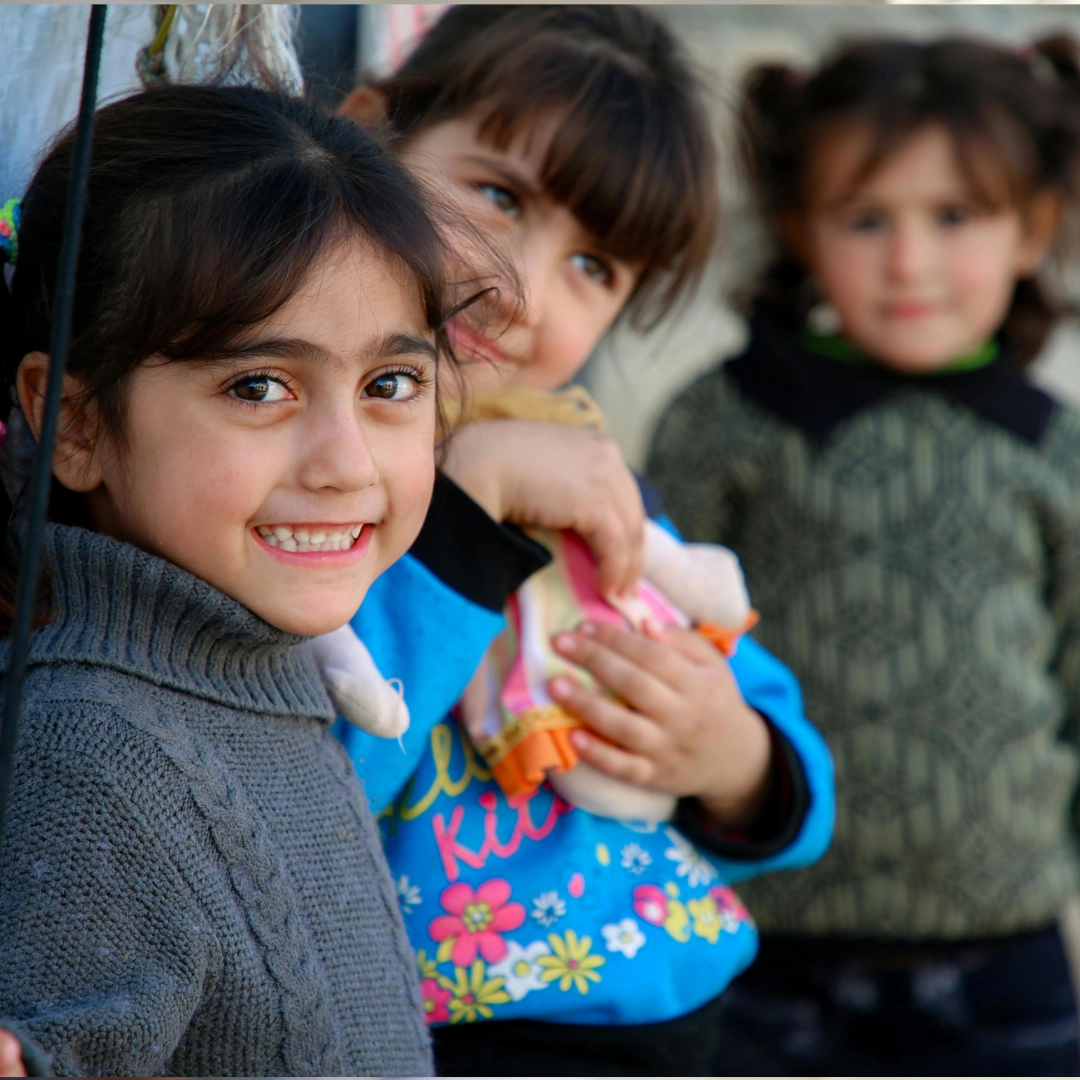
Outdoor play is more than just fun—it is a vital part of healthy childhood development. In today’s digital world, many children spend more time indoors than ever before. Screens, busy schedules, and structured routines often leave little room for free outdoor exploration. Summer camp helps reverse this trend by giving children daily opportunities to play, explore, and discover the natural world.
Time spent outside supports physical health, emotional wellbeing, creativity, social development, and environmental awareness in ways indoor environments simply cannot replicate. At summer camp, outdoor play becomes part of everyday life, creating powerful benefits that last far beyond the summer months.
Physical Health Benefits
One of the most obvious benefits of outdoor play is improved physical health. Outdoor activities encourage children to move their bodies in natural and enjoyable ways. Instead of structured exercise, kids stay active through play and adventure.
At summer camp, children often participate in activities such as:
- Hiking and nature walks
- Swimming and water play
- Team sports and group games
- Obstacle courses and climbing activities
- Exploring forests, fields, and trails
These activities help improve strength, coordination, balance, and endurance. They also support heart health and build lifelong healthy habits.
Regular outdoor movement has additional benefits, including better sleep, increased energy levels, and improved concentration. When children spend time being active outdoors, their overall wellbeing improves in noticeable ways.

Nature Reduces Stress and Anxiety
Outdoor environments have a calming effect on children. Fresh air, natural light, and green spaces help reduce stress and improve mood. After long school years filled with deadlines and academic expectations, summer camp offers a refreshing mental reset.
At camp, children take a break from:
- Academic pressure
- Screen time and social media
- Busy after-school schedules
- Indoor environments and noise
This change of pace helps children feel relaxed and recharged. Many parents notice their children return from camp happier, calmer, and more emotionally balanced.
Spending time in nature also encourages mindfulness. Whether listening to birds, walking through trees, or watching clouds, children learn to slow down and enjoy the present moment.
Outdoor Play Encourages Creativity
Nature is one of the most powerful tools for sparking imagination. Without structured toys, screens, or detailed instructions, children learn to create their own fun.
At camp, outdoor creativity may include:
- Building forts from sticks and leaves
- Inventing new group games
- Exploring trails and creating adventures
- Making art using natural materials like rocks and pinecones
Unstructured outdoor play encourages children to think creatively and solve problems independently. Instead of following instructions, they become creators of their own experiences.
This type of play strengthens imagination, innovation, and flexible thinking—skills that benefit children in school and throughout life.
Healthy Risk-Taking Builds Confidence
Outdoor play often involves manageable risks, such as climbing, balancing, or navigating uneven terrain. While these challenges may seem small, they play a big role in building confidence and resilience.
Through outdoor challenges, children learn to:
- Assess risk and make decisions
- Trust their physical abilities
- Overcome fears gradually
- Celebrate personal achievements
When children successfully climb a rock wall or complete a hiking trail, they gain a powerful sense of accomplishment. These experiences help build courage and self-belief.
Learning to take safe risks also prepares children for future challenges in school and life.
Social Development Through Play
Outdoor games naturally encourage teamwork and cooperation. Unlike indoor activities that may be more individual, outdoor play often involves group participation.
Children learn to:
- Share equipment and space
- Work toward common goals
- Support teammates and friends
- Communicate clearly and respectfully
These experiences strengthen social skills and help children build friendships more easily. Teamwork learned through play often transfers into classroom and community settings.
Developing Environmental Awareness
Spending time in nature helps children develop respect for the environment. At summer camp, kids gain hands-on experience with the natural world.
They may learn about:
- Wildlife and ecosystems
- Plants and natural habitats
- Conservation and sustainability
- The importance of protecting the environment
When children experience nature firsthand, they develop a deeper appreciation for the planet. These early experiences often inspire lifelong environmental responsibility.
Building a Healthy Relationship With Nature
Children who spend time outdoors are more likely to continue enjoying outdoor activities as they grow older. Camp introduces kids to the joy of hiking, swimming, exploring, and simply being outside.
This connection to nature can lead to lifelong habits such as:
- Outdoor recreation and sports
- Appreciation for parks and green spaces
- Healthy screen-time balance
- Active lifestyles
Building this relationship early helps children maintain physical and mental wellbeing throughout life.
Final Thoughts
Outdoor play is essential for healthy childhood development. It supports physical health, reduces stress, encourages creativity, builds confidence, and strengthens social skills. Summer camp provides the ideal environment for children to explore, move, imagine, and grow in nature every single day.
The benefits of outdoor play extend far beyond summer. By spending time outside, children develop habits, skills, and memories that support lifelong health, happiness, and wellbeing.
Leave a Reply
You must be logged in to post a comment.