
introduction
Every summer, many parents notice the same challenge: their child returns to school in September having forgotten some of what they learned the previous year. Reading may feel slower, math facts seem fuzzy, and routines suddenly feel unfamiliar. This phenomenon is commonly known as the summer slide, and it’s more common than many families realize.
Research consistently shows that students can lose academic progress during long breaks from structured learning. The longer children go without mentally stimulating activities, the more likely skills are to fade. But summer doesn’t have to mean a pause in growth. Summer camp offers a powerful way to keep children engaged, curious, and mentally active—without making summer feel like school.
Let’s explore how summer camp helps prevent summer learning loss while still giving kids the fun, freedom, and adventure they deserve.
What Is the Summer Slide?
The “summer slide” refers to the academic skills children may lose during summer vacation. Without regular learning activities, kids may experience declines in reading ability, math skills, writing confidence, and focus.
This doesn’t mean children need formal schoolwork all summer. In fact, worksheets and structured lessons can feel discouraging during a time meant for relaxation. Instead, children benefit most from opportunities to stay mentally engaged through hands-on learning, exploration, and new experiences.
Summer camp offers exactly that balance—learning disguised as fun.
Learning Through Play and Exploration
One of the biggest advantages of educational summer camps is that learning happens naturally through play. Children explore, experiment, and solve problems in ways that feel exciting and meaningful.
Camp activities often include:
- Science experiments and discovery challenges
- Outdoor exploration and nature activities
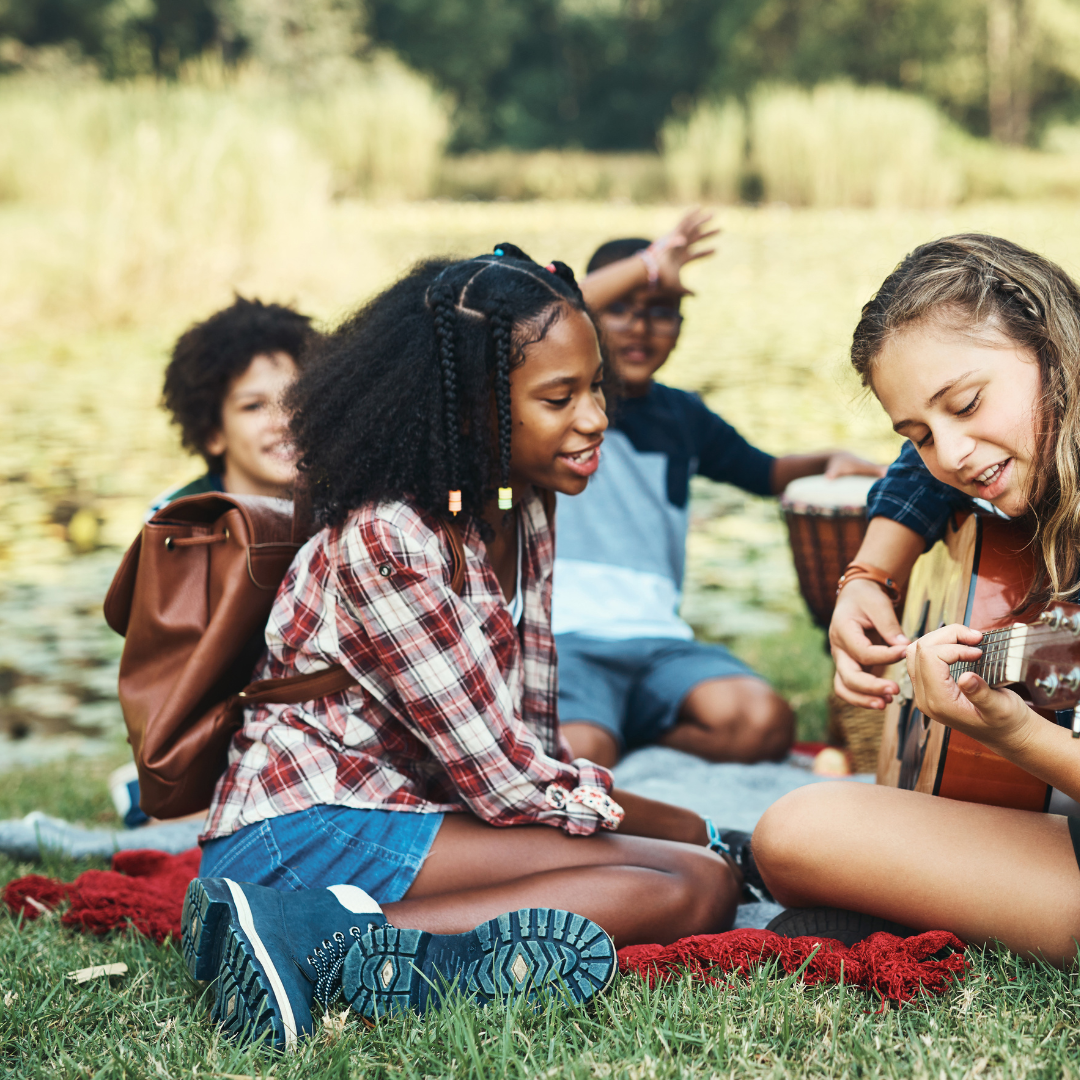
- Creative arts, drama, and music
- Team-building games and competitions
- Engineering and problem-solving projects
These experiences stimulate curiosity and keep young minds active without the pressure of grades or tests. Children learn best when they are excited and engaged, and camp creates an environment where learning feels like an adventure rather than a requirement.
When kids are having fun, they don’t even realize how much they’re learning.
Reading and Communication Skills Stay Active
Literacy skills are among the most vulnerable during summer break. Without regular reading and writing, fluency and comprehension can decline quickly.
Fortunately, camps naturally include daily opportunities to practice communication and literacy. Children may:
- Read schedules, instructions, or activity guides
- Participate in storytelling sessions
- Write journals, reflections, or letters home
- Share ideas during group discussions
- Perform in plays or talent shows
These activities help maintain reading and writing skills in fun, meaningful ways. Instead of feeling like homework, literacy becomes part of daily camp life.
Children often return to school more confident in their communication abilities after a summer filled with social interaction and storytelling.
STEM Skills Without the Classroom
STEM-based camps are especially effective at preventing learning loss. Through robotics, coding, engineering challenges, and science experiments, children continue developing critical thinking and problem-solving skills.
Even general day camps often include STEM-style activities disguised as fun projects. For example:
- Building structures from recycled materials
- Designing obstacle courses or scavenger hunts
- Conducting simple science experiments
- Creating maps or solving puzzles
When children build a bridge out of popsicle sticks or design a treasure hunt map, they are practicing math, science, and logic—without even realizing it.
This type of hands-on learning strengthens memory and deepens understanding far more effectively than passive learning.
Social Learning Builds Cognitive Growth
Learning is not only academic. Social and emotional development plays a huge role in academic success.
At camp, children practice:
- Teamwork and collaboration
- Communication and listening skills
- Conflict resolution
- Leadership and responsibility
- Empathy and cooperation
These experiences help children return to school feeling confident and ready to participate. Strong social skills make group work, classroom participation, and friendships easier and more enjoyable.
In many ways, social learning supports academic success just as much as traditional subjects.
Outdoor Learning Improves Focus
Outdoor environments provide unique cognitive benefits. Spending time in nature has been shown to improve attention span, reduce stress, and boost creativity.
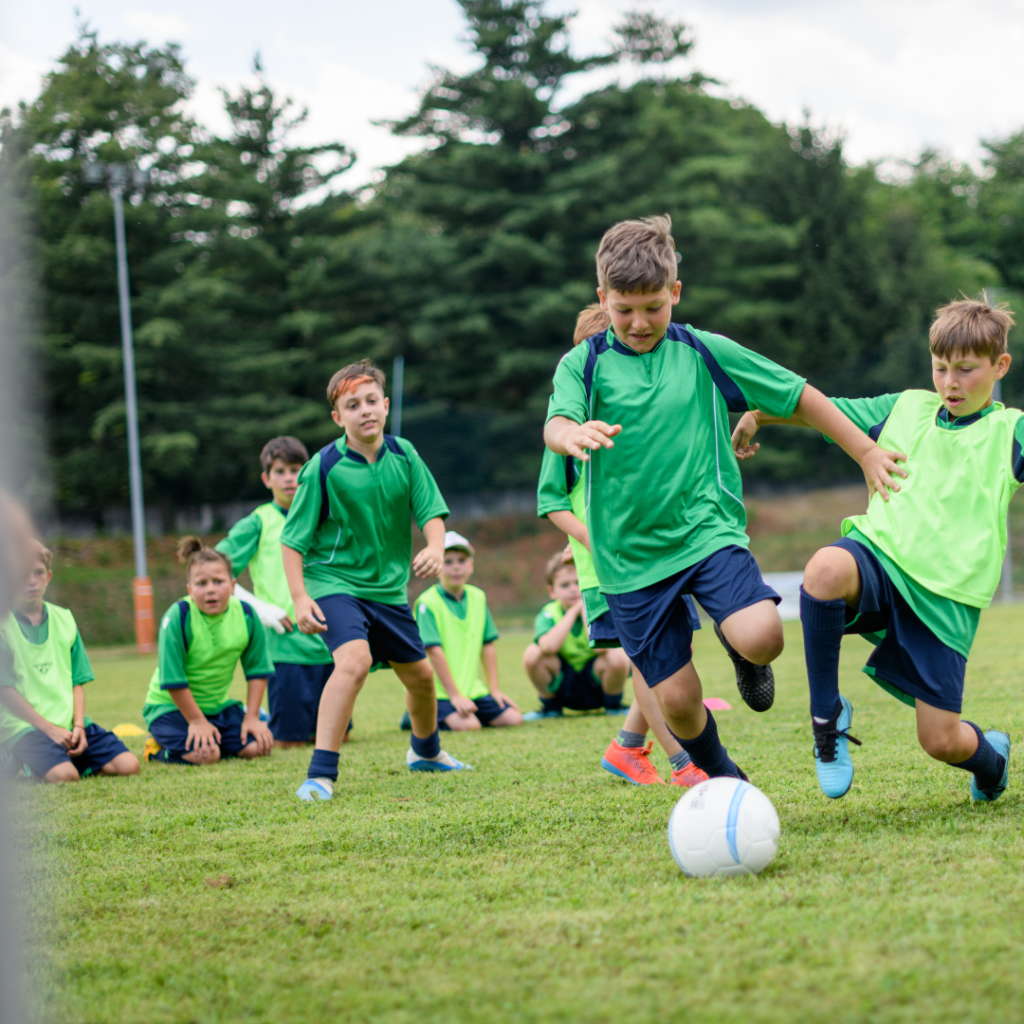
Camp activities like hiking, sports, and outdoor exploration help children:
- Improve concentration and memory
- Reduce mental fatigue
- Boost physical health and energy
- Develop curiosity and observation skills
After an active summer outdoors, children often return to school refreshed, energized, and ready to learn.
Routine Without Academic Pressure
One of the hidden benefits of camp is structure. During summer, children often lose daily routines such as consistent wake-up times and scheduled activities.
Camp provides routine without academic pressure. Campers follow schedules, participate in planned activities, and complete daily tasks in a supportive environment.
This routine keeps children comfortable with structured days while still allowing them to enjoy freedom and fun. When school begins again, the transition feels much smoother and less overwhelming.
Confidence Leads to Academic Success
Confidence gained at camp can translate directly into school performance. When children try new activities, make friends, and overcome challenges, they develop a strong sense of self-belief.
Confident children are more likely to:
- Participate in class discussions
- Ask questions when they need help
- Try new subjects and activities
- Persevere through challenges
Confidence is one of the most powerful academic tools a child can have, and summer camp helps build it naturally.
Final Thoughts
Summer camp offers a powerful solution to summer learning loss. By keeping children active, curious, and engaged, camp helps maintain academic skills while still allowing kids to enjoy their summer break.
Instead of falling behind, children return to school feeling confident, capable, and ready to learn. Summer camp truly turns the summer slide into a summer of growth.
Leave a Reply
You must be logged in to post a comment.