Category: Uncategorized

  • Life Skills Kids Learn at Summer Camp (That Last a Lifetime)

    Life Skills Kids Learn at Summer Camp (That Last a Lifetime)


    Introduction

    Summer camp is often seen as a place for fun, friendship, and outdoor adventure. While camp is certainly full of memorable experiences, its greatest value goes far beyond games and activities. Summer camp creates a real-world environment where children develop essential life skills that support success in school, relationships, and future careers.

    Unlike structured classroom settings, camp encourages hands-on learning, independence, and problem-solving. Children practice new skills every day, often without realizing how much they are growing. Over time, these experiences shape confident, capable, and resilient young people.

    Let’s explore the powerful life skills kids learn at summer camp and why they matter long after summer ends.


    1. Responsibility and Accountability

    At camp, children take responsibility for everyday tasks that may normally be handled by parents or teachers. They learn how to:

    • Keep track of personal belongings
    • Follow daily schedules
    • Clean shared spaces
    • Prepare for activities on time
    • Manage personal routines

    These responsibilities may seem small, but they have a big impact. When children learn to manage their own belongings and routines, they begin to understand accountability. They see how their actions affect themselves and others, and they develop pride in being dependable and capable.

    This sense of responsibility often carries into the school year, helping children stay organized and confident.


    2. Decision-Making Skills

    Camp is filled with opportunities for children to make choices independently. Throughout the day, campers decide:

    • Which activities to participate in
    • How to manage their time
    • How to solve small challenges
    • How to approach new experiences

    Learning to make decisions builds confidence and independence. Children begin to trust their own judgment and feel empowered to take initiative. Over time, this strengthens their ability to think critically and make thoughtful choices in school and everyday life.


    3. Teamwork and Collaboration

    Many camp activities are designed around teamwork. Whether children are playing sports, completing group challenges, or working on creative projects, they must learn how to collaborate with others.

    Through teamwork, campers learn to:

    • Share ideas and listen respectfully
    • Compromise and solve disagreements
    • Support teammates and celebrate success
    • Work toward shared goals

    These collaboration skills are essential for success in school and future careers. Camp helps children understand that working together often leads to stronger outcomes than working alone.


    4. Leadership Skills

    As children grow more comfortable at camp, leadership opportunities naturally appear. Campers may:

    • Mentor younger participants
    • Help lead group activities
    • Support team decision-making
    • Take initiative during projects

    Leadership at camp is not about being the loudest voice—it’s about learning responsibility, empathy, and confidence. Children discover how to encourage others, make decisions, and step outside their comfort zones.

    These leadership skills can shape how children participate in school, sports, and community activities.


    5. Problem-Solving and Critical Thinking

    Camp presents new challenges every day. Children may need to:

    • Navigate unfamiliar environments
    • Try activities they have never experienced before
    • Solve disagreements with peers
    • Adapt to changing schedules or weather

    These experiences teach children how to think critically and approach challenges with a positive mindset. Instead of avoiding problems, campers learn how to face them, work through them, and grow from them.

    This problem-solving mindset is one of the most valuable skills children can develop.


    6. Communication Skills

    Camp is a highly social environment. Children spend their days interacting with peers and counselors through conversations, group activities, and team projects.

    They learn how to:

    • Express ideas clearly
    • Listen actively
    • Ask for help when needed
    • Resolve misunderstandings respectfully

    Strong communication skills help children build friendships, succeed academically, and navigate social situations with confidence.


    7. Adaptability and Resilience

    Camp introduces children to new routines, new environments, and new people. At first, these changes can feel challenging. But with support and encouragement, campers learn how to adapt.

    They develop resilience by:

    • Trying new experiences
    • Overcoming fears
    • Adjusting to unfamiliar situations
    • Learning from setbacks

    Resilience helps children handle change and challenges throughout life. Camp gives them a safe space to practice this skill.


    8. Time Management

    Camp schedules help children understand how to manage time effectively. Campers learn how to:

    • Follow routines
    • Transition between activities
    • Balance responsibilities and fun
    • Prepare for upcoming tasks

    These time management skills often carry into school and home life, helping children stay organized and confident.


    9. Confidence and Self-Esteem

    Every new experience at camp contributes to growing confidence. Children feel proud when they:

    • Try new activities
    • Make new friends
    • Achieve personal goals
    • Overcome challenges

    These small victories build self-esteem and encourage children to believe in their abilities. Confidence developed at camp often continues long after summer ends.


    10. Independence

    Perhaps the most powerful life skill camp teaches is independence. Camp provides a supportive environment where children learn they can:

    • Solve problems on their own
    • Make decisions independently
    • Take responsibility for their actions
    • Thrive outside their comfort zone

    This independence prepares children for future milestones, from school transitions to future careers.


    Final Thoughts

    Summer camp is much more than a seasonal activity—it is a powerful learning environment where children develop real-world life skills that last a lifetime.

    From responsibility and teamwork to leadership and resilience, the lessons learned at camp help shape confident, capable, and adaptable young people. And while the memories of camp may last a lifetime, the skills children gain will support them for years to come.

  • How Summer Camp Helps Kids Build Real Friendships in a Digital World

    How Summer Camp Helps Kids Build Real Friendships in a Digital World

    BLOG POST 23

    Why Summer Camp Helps Kids Develop Leadership Skills Early

    Meta Title: How Summer Camp Builds Leadership Skills in Kids and Teens
    Meta Description: Learn how summer camps teach leadership, teamwork, and responsibility in fun and engaging ways.
    Primary Keywords: leadership summer camp, leadership skills for kids, kids leadership development camp


    Introduction

    Leadership is not just for adults. The foundations of leadership begin in childhood through teamwork, responsibility, and communication. Summer camp offers one of the best environments for children to begin developing leadership skills naturally.

    At camp, kids learn how to work with others, make decisions, and take initiative in ways that feel fun and engaging rather than formal or academic. These early experiences help shape confident, capable leaders for the future.


    Leadership Begins With Responsibility

    Leadership starts with learning responsibility. At camp, children are given age-appropriate responsibilities that encourage independence and accountability.

    Campers may:

    • Keep track of their belongings
    • Help set up activities
    • Follow schedules
    • Support group tasks

    These small responsibilities teach children that their actions matter and that they play an important role in their community.


    Teamwork Is the Foundation of Leadership

    Leadership is closely connected to teamwork. Camp activities often require collaboration and group problem-solving.

    Children learn to:

    • Share ideas
    • Listen to others
    • Support teammates
    • Work toward shared goals

    These experiences teach kids that leadership is not about being in charge—it’s about helping a group succeed together.


    Communication Skills Develop Naturally

    Strong leaders are strong communicators. Camp provides daily opportunities to practice communication in real-world settings.

    Campers practice:

    • Speaking clearly
    • Listening actively
    • Resolving conflicts
    • Expressing ideas

    These skills are essential for leadership in school, sports, and future careers.


    Decision-Making Builds Confidence

    Camp encourages children to make choices and solve problems throughout the day. Decision-making opportunities help kids develop confidence and independence.

    Children may choose:

    • Activities to participate in
    • Strategies during team challenges
    • How to approach new situations

    Learning to make decisions helps children feel capable and responsible.


    Leadership Opportunities Grow Over Time

    Many camps offer leadership progression as children grow older. Campers may:

    • Mentor younger campers
    • Lead group activities
    • Help organize events
    • Take on junior leadership roles

    These opportunities help children practice leadership in a safe and supportive environment.


    Problem-Solving Strengthens Leadership Skills

    Leadership involves navigating challenges and finding solutions. Camp provides everyday opportunities for problem-solving.

    Kids learn to:

    • Adapt to new situations
    • Overcome obstacles
    • Work through disagreements
    • Think creatively

    These skills prepare children for leadership roles in the future.


    Confidence and Leadership Go Hand in Hand

    As children gain experience and responsibility, their confidence grows. Confident kids are more willing to:

    • Speak up
    • Share ideas
    • Take initiative
    • Support others

    Leadership and confidence develop together, creating a strong foundation for future success.


    Leadership Skills Last a Lifetime

    The leadership skills learned at camp benefit children long after summer ends. Kids return to school more willing to:

    • Participate in group projects
    • Take initiative in activities
    • Help classmates
    • Lead by example

    These early leadership experiences can influence academic success, career development, and personal growth.


    Final Thoughts

    Summer camp provides an incredible environment for children to develop leadership skills through fun, teamwork, and real-life experiences. By learning responsibility, communication, and collaboration, kids begin building the leadership skills that will benefit them for years to come.

    Summer camp isn’t just about fun—it’s about shaping future leaders.

  • 10 Signs You’ve Found a High-Quality Summer Camp for Your Child

    10 Signs You’ve Found a High-Quality Summer Camp for Your Child

    Choosing the right summer camp can feel overwhelming for parents. With so many programs, promises, and polished brochures, it can be difficult to know which camps truly provide a safe, enriching, and memorable experience for children.

    A high-quality summer camp offers much more than fun activities—it builds confidence, independence, social skills, and lifelong memories. The good news is that there are clear signs parents can look for when evaluating camp programs. Understanding these indicators can make the decision process much easier and help you feel confident that your child will have a positive and rewarding experience.

    Here are 10 key signs you’ve found a high-quality summer camp for your child.


    1. Strong Focus on Safety

    Safety should always be a camp’s top priority. A high-quality camp will clearly explain its safety procedures and be transparent about training, supervision, and emergency plans.

    Look for camps that:

    • Provide staff training in first aid and emergency response
    • Maintain clear camper-to-staff ratios
    • Have secure check-in and check-out systems
    • Share emergency communication plans with parents

    When a camp openly discusses safety and encourages questions, it shows professionalism, organization, and responsibility.


    2. Experienced and Enthusiastic Staff

    The heart of any great camp is its staff. Skilled and caring counsellors create the environment where children feel safe, included, and encouraged to try new things.

    High-quality camps typically have:

    • Thorough hiring and screening processes
    • Extensive pre-camp training programs
    • Staff who return year after year
    • Mentors who genuinely enjoy working with children

    Staff retention is a particularly strong indicator of a positive camp culture. When counsellors return each summer, it often means they feel valued and supported—and that energy carries directly to campers.


    3. A Clear Mission and Strong Values

    Strong camps operate with a clear mission. Their website, handbook, and communication materials should clearly explain what they believe in and what they aim to teach children.

    Common camp values include:

    • Inclusion and belonging
    • Teamwork and collaboration
    • Confidence and independence
    • Respect and kindness

    When a camp’s mission aligns with your family’s values, it’s a strong sign you’re on the right track.


    4. Balanced Daily Schedules

    A high-quality camp offers a balanced schedule that blends structure with flexibility. Children thrive when days feel organized but not overwhelming.

    Look for schedules that include:

    • Structured activities and skill-building
    • Free play and relaxation time
    • Outdoor experiences
    • Creative exploration

    Balance prevents burnout and helps children stay engaged and energized throughout the day.


    5. Opportunities for Camper Choice

    Children thrive when they feel ownership over their experiences. Great camps provide opportunities for campers to choose activities based on their interests.

    Choice allows children to:

    • Feel more motivated and engaged
    • Build independence and decision-making skills
    • Discover new passions and hobbies

    Programs that allow flexibility often lead to happier, more confident campers.


    6. Strong Communication With Parents

    Open communication builds trust and helps parents feel confident about their child’s experience.

    High-quality camps keep parents informed before, during, and after camp through:

    • Regular newsletters or updates
    • Photos or activity summaries
    • Clear contact options
    • Responsive staff communication

    Transparent communication shows that a camp values its relationship with families.


    7. Positive Camper Reviews and High Return Rates

    One of the most reliable indicators of camp quality is how many campers return each year.

    High return rates often mean:

    • Children had a positive experience
    • Families trust the program
    • Campers formed strong friendships

    Word-of-mouth recommendations and testimonials can provide valuable insight into the camp experience.


    8. Focus on Social and Emotional Growth

    The best camps support the whole child—not just physical activity or entertainment.

    Look for programs that emphasize:

    • Teamwork and cooperation
    • Kindness and inclusion
    • Confidence building
    • Resilience and emotional growth

    Camps that prioritize social and emotional development help children grow both during and after summer.


    9. Inclusive and Welcoming Environment

    Every child deserves to feel welcome at camp. High-quality programs actively create inclusive and supportive communities.

    Signs of inclusivity include:

    • Clear anti-bullying policies
    • Support for shy or anxious campers
    • Staff trained in emotional support
    • Programs that celebrate diversity

    A welcoming environment helps children feel safe being themselves and encourages meaningful connections.


    10. Kids Come Home Happy and Proud

    Sometimes the clearest sign of a great camp is the simplest one. After a positive camp experience, children often come home:

    • Excited to share stories
    • Proud of new skills and achievements
    • Eager to return next year

    When children finish camp feeling confident, happy, and inspired, it’s a strong sign that the program delivered a high-quality experience.


    Final Thoughts

    Choosing the right summer camp doesn’t have to feel overwhelming. By focusing on safety, staff quality, communication, and camper experience, parents can confidently identify programs that truly benefit children.

    A high-quality summer camp provides far more than entertainment—it creates opportunities for growth, friendships, independence, and lifelong memories. Taking the time to evaluate camps carefully ensures your child will have a safe, enriching, and unforgettable summer experience.

  • Why Summer Camp Builds Independence in Kids

    Why Summer Camp Builds Independence in Kids

    One of the most valuable skills children can develop is independence. Learning how to make decisions, solve problems, and navigate new situations helps kids grow into confident and capable young adults. While independence develops gradually at home and school, summer camp offers a unique environment where children can practice independence in powerful and meaningful ways.

    Away from daily routines and familiar comforts, children discover what they are capable of. Without parents managing every detail of their day, kids begin to take ownership of their experiences. These moments of growth may seem small at first, but together they build confidence, responsibility, and resilience that last long after summer ends.

    Time Away From Parents Builds Confidence

    For many children, summer camp may be the first time they spend extended time away from parents or caregivers. This milestone can feel exciting, nerve-wracking, and emotional all at once. However, once children settle into the camp environment, they begin to realize they can successfully manage time away from home.

    During camp, children learn they can:

    • Adapt to new environments
    • Manage daily routines independently
    • Solve small problems on their own
    • Build trusting relationships with new adults and peers

    This sense of accomplishment helps children feel proud of themselves. When they return home, parents often notice increased maturity and confidence in everyday life.

    Daily Choices Encourage Decision-Making

    At camp, children make decisions throughout the day. They might choose which activity to participate in, how to organize their belongings, or how to spend free time. These daily decisions help children practice important life skills.

    Through these experiences, children develop:

    • Decision-making abilities
    • Responsibility for their choices
    • Time management skills
    • Confidence in their judgement

    Making choices in a supportive environment allows children to practice independence safely while still receiving guidance when needed. Over time, they begin to trust their ability to make good decisions.

    Problem-Solving Happens Naturally

    At home, adults often step in quickly to fix problems. At camp, children are encouraged to work through small challenges independently before seeking help.

    Examples include:

    • Locating misplaced items
    • Resolving minor disagreements with peers
    • Trying again after mistakes
    • Asking counsellors for support when needed

    These everyday challenges teach resilience and persistence. Children learn that problems are not failures—they are opportunities to learn and grow.

    Responsibility Becomes Part of Daily Life

    Many camps introduce age-appropriate responsibilities that help children understand accountability. These responsibilities may include:

    • Keeping track of personal belongings
    • Cleaning up after activities
    • Helping set up or organize group spaces
    • Following schedules and transitions independently

    These tasks may seem simple, but they help children understand the value of contributing to a community. Completing responsibilities successfully gives children a sense of pride and accomplishment.

    Trying New Things Builds Self-Trust

    Summer camp introduces children to new experiences that may feel unfamiliar at first. Whether climbing a rock wall, learning archery, performing in a talent show, or trying a new sport, camp encourages kids to step outside their comfort zones.

    Each new challenge teaches children an important lesson: they are capable of more than they thought.

    Every time a child tries something new, they build self-trust. They begin to believe in their ability to handle challenges, learn new skills, and overcome fears. This mindset is the foundation of independence.

    Independence Supports Emotional Growth

    Independence is not only about practical skills—it also involves emotional development. At camp, children learn how to manage emotions such as:

    • Homesickness
    • Frustration
    • Excitement
    • Nervousness
    • Disappointment

    With the guidance of caring counsellors, children practice healthy coping strategies. They learn how to talk about feelings, ask for help, and support one another. Emotional independence helps children feel more secure and confident in new situations.

    Building Social Independence

    Camp also helps children develop social independence. Without familiar classmates or established social groups, kids learn how to:

    • Introduce themselves to new people
    • Join group activities confidently
    • Navigate friendships
    • Communicate their needs and ideas

    These social skills are essential for long-term success and confidence in school and beyond.

    Preparing Kids for Future Success

    The independence children develop at camp helps prepare them for many future milestones, including:

    • Starting a new school year
    • Participating in leadership opportunities
    • Managing academic responsibilities
    • Traveling or attending overnight trips
    • Navigating teenage and young adult experiences

    Camp acts as a stepping stone toward lifelong confidence and self-reliance.

    Final Thoughts

    Summer camp gives children the opportunity to practice independence in a safe, supportive, and encouraging environment. Through daily choices, responsibilities, emotional growth, and new experiences, kids discover their capabilities and build confidence that lasts far beyond the summer months.

    Independence is not learned overnight—but camp provides the perfect place for children to take their first steps toward becoming confident, capable, and resilient individuals.

  • The Role of Outdoor Play in Child Development

    The Role of Outdoor Play in Child Development

    Outdoor play is more than just fun—it is a vital part of healthy childhood development. In today’s digital world, many children spend more time indoors than ever before. Screens, busy schedules, and structured routines often leave little room for free outdoor exploration. Summer camp helps reverse this trend by giving children daily opportunities to play, explore, and discover the natural world.

    Time spent outside supports physical health, emotional wellbeing, creativity, social development, and environmental awareness in ways indoor environments simply cannot replicate. At summer camp, outdoor play becomes part of everyday life, creating powerful benefits that last far beyond the summer months.

    Physical Health Benefits

    One of the most obvious benefits of outdoor play is improved physical health. Outdoor activities encourage children to move their bodies in natural and enjoyable ways. Instead of structured exercise, kids stay active through play and adventure.

    At summer camp, children often participate in activities such as:

    • Hiking and nature walks
    • Swimming and water play
    • Team sports and group games
    • Obstacle courses and climbing activities
    • Exploring forests, fields, and trails

    These activities help improve strength, coordination, balance, and endurance. They also support heart health and build lifelong healthy habits.

    Regular outdoor movement has additional benefits, including better sleep, increased energy levels, and improved concentration. When children spend time being active outdoors, their overall wellbeing improves in noticeable ways.

    Nature Reduces Stress and Anxiety

    Outdoor environments have a calming effect on children. Fresh air, natural light, and green spaces help reduce stress and improve mood. After long school years filled with deadlines and academic expectations, summer camp offers a refreshing mental reset.

    At camp, children take a break from:

    • Academic pressure
    • Screen time and social media
    • Busy after-school schedules
    • Indoor environments and noise

    This change of pace helps children feel relaxed and recharged. Many parents notice their children return from camp happier, calmer, and more emotionally balanced.

    Spending time in nature also encourages mindfulness. Whether listening to birds, walking through trees, or watching clouds, children learn to slow down and enjoy the present moment.

    Outdoor Play Encourages Creativity

    Nature is one of the most powerful tools for sparking imagination. Without structured toys, screens, or detailed instructions, children learn to create their own fun.

    At camp, outdoor creativity may include:

    • Building forts from sticks and leaves
    • Inventing new group games
    • Exploring trails and creating adventures
    • Making art using natural materials like rocks and pinecones

    Unstructured outdoor play encourages children to think creatively and solve problems independently. Instead of following instructions, they become creators of their own experiences.

    This type of play strengthens imagination, innovation, and flexible thinking—skills that benefit children in school and throughout life.

    Healthy Risk-Taking Builds Confidence

    Outdoor play often involves manageable risks, such as climbing, balancing, or navigating uneven terrain. While these challenges may seem small, they play a big role in building confidence and resilience.

    Through outdoor challenges, children learn to:

    • Assess risk and make decisions
    • Trust their physical abilities
    • Overcome fears gradually
    • Celebrate personal achievements

    When children successfully climb a rock wall or complete a hiking trail, they gain a powerful sense of accomplishment. These experiences help build courage and self-belief.

    Learning to take safe risks also prepares children for future challenges in school and life.

    Social Development Through Play

    Outdoor games naturally encourage teamwork and cooperation. Unlike indoor activities that may be more individual, outdoor play often involves group participation.

    Children learn to:

    • Share equipment and space
    • Work toward common goals
    • Support teammates and friends
    • Communicate clearly and respectfully

    These experiences strengthen social skills and help children build friendships more easily. Teamwork learned through play often transfers into classroom and community settings.

    Developing Environmental Awareness

    Spending time in nature helps children develop respect for the environment. At summer camp, kids gain hands-on experience with the natural world.

    They may learn about:

    • Wildlife and ecosystems
    • Plants and natural habitats
    • Conservation and sustainability
    • The importance of protecting the environment

    When children experience nature firsthand, they develop a deeper appreciation for the planet. These early experiences often inspire lifelong environmental responsibility.

    Building a Healthy Relationship With Nature

    Children who spend time outdoors are more likely to continue enjoying outdoor activities as they grow older. Camp introduces kids to the joy of hiking, swimming, exploring, and simply being outside.

    This connection to nature can lead to lifelong habits such as:

    • Outdoor recreation and sports
    • Appreciation for parks and green spaces
    • Healthy screen-time balance
    • Active lifestyles

    Building this relationship early helps children maintain physical and mental wellbeing throughout life.

    Final Thoughts

    Outdoor play is essential for healthy childhood development. It supports physical health, reduces stress, encourages creativity, builds confidence, and strengthens social skills. Summer camp provides the ideal environment for children to explore, move, imagine, and grow in nature every single day.

    The benefits of outdoor play extend far beyond summer. By spending time outside, children develop habits, skills, and memories that support lifelong health, happiness, and wellbeing.

  • How Summer Camp Helps Prevent the “Summer Slide” in Learning

    How Summer Camp Helps Prevent the “Summer Slide” in Learning

    introduction

    Every summer, many parents notice the same challenge: their child returns to school in September having forgotten some of what they learned the previous year. Reading may feel slower, math facts seem fuzzy, and routines suddenly feel unfamiliar. This phenomenon is commonly known as the summer slide, and it’s more common than many families realize.

    Research consistently shows that students can lose academic progress during long breaks from structured learning. The longer children go without mentally stimulating activities, the more likely skills are to fade. But summer doesn’t have to mean a pause in growth. Summer camp offers a powerful way to keep children engaged, curious, and mentally active—without making summer feel like school.

    Let’s explore how summer camp helps prevent summer learning loss while still giving kids the fun, freedom, and adventure they deserve.


    What Is the Summer Slide?

    The “summer slide” refers to the academic skills children may lose during summer vacation. Without regular learning activities, kids may experience declines in reading ability, math skills, writing confidence, and focus.

    This doesn’t mean children need formal schoolwork all summer. In fact, worksheets and structured lessons can feel discouraging during a time meant for relaxation. Instead, children benefit most from opportunities to stay mentally engaged through hands-on learning, exploration, and new experiences.

    Summer camp offers exactly that balance—learning disguised as fun.


    Learning Through Play and Exploration

    One of the biggest advantages of educational summer camps is that learning happens naturally through play. Children explore, experiment, and solve problems in ways that feel exciting and meaningful.

    Camp activities often include:

    • Science experiments and discovery challenges
    • Outdoor exploration and nature activities
    • Creative arts, drama, and music
    • Team-building games and competitions
    • Engineering and problem-solving projects

    These experiences stimulate curiosity and keep young minds active without the pressure of grades or tests. Children learn best when they are excited and engaged, and camp creates an environment where learning feels like an adventure rather than a requirement.

    When kids are having fun, they don’t even realize how much they’re learning.


    Reading and Communication Skills Stay Active

    Literacy skills are among the most vulnerable during summer break. Without regular reading and writing, fluency and comprehension can decline quickly.

    Fortunately, camps naturally include daily opportunities to practice communication and literacy. Children may:

    • Read schedules, instructions, or activity guides
    • Participate in storytelling sessions
    • Write journals, reflections, or letters home
    • Share ideas during group discussions
    • Perform in plays or talent shows

    These activities help maintain reading and writing skills in fun, meaningful ways. Instead of feeling like homework, literacy becomes part of daily camp life.

    Children often return to school more confident in their communication abilities after a summer filled with social interaction and storytelling.


    STEM Skills Without the Classroom

    STEM-based camps are especially effective at preventing learning loss. Through robotics, coding, engineering challenges, and science experiments, children continue developing critical thinking and problem-solving skills.

    Even general day camps often include STEM-style activities disguised as fun projects. For example:

    • Building structures from recycled materials
    • Designing obstacle courses or scavenger hunts
    • Conducting simple science experiments
    • Creating maps or solving puzzles

    When children build a bridge out of popsicle sticks or design a treasure hunt map, they are practicing math, science, and logic—without even realizing it.

    This type of hands-on learning strengthens memory and deepens understanding far more effectively than passive learning.


    Social Learning Builds Cognitive Growth

    Learning is not only academic. Social and emotional development plays a huge role in academic success.

    At camp, children practice:

    • Teamwork and collaboration
    • Communication and listening skills
    • Conflict resolution
    • Leadership and responsibility
    • Empathy and cooperation

    These experiences help children return to school feeling confident and ready to participate. Strong social skills make group work, classroom participation, and friendships easier and more enjoyable.

    In many ways, social learning supports academic success just as much as traditional subjects.


    Outdoor Learning Improves Focus

    Outdoor environments provide unique cognitive benefits. Spending time in nature has been shown to improve attention span, reduce stress, and boost creativity.

    Camp activities like hiking, sports, and outdoor exploration help children:

    • Improve concentration and memory
    • Reduce mental fatigue
    • Boost physical health and energy
    • Develop curiosity and observation skills

    After an active summer outdoors, children often return to school refreshed, energized, and ready to learn.


    Routine Without Academic Pressure

    One of the hidden benefits of camp is structure. During summer, children often lose daily routines such as consistent wake-up times and scheduled activities.

    Camp provides routine without academic pressure. Campers follow schedules, participate in planned activities, and complete daily tasks in a supportive environment.

    This routine keeps children comfortable with structured days while still allowing them to enjoy freedom and fun. When school begins again, the transition feels much smoother and less overwhelming.


    Confidence Leads to Academic Success

    Confidence gained at camp can translate directly into school performance. When children try new activities, make friends, and overcome challenges, they develop a strong sense of self-belief.

    Confident children are more likely to:

    • Participate in class discussions
    • Ask questions when they need help
    • Try new subjects and activities
    • Persevere through challenges

    Confidence is one of the most powerful academic tools a child can have, and summer camp helps build it naturally.


    Final Thoughts

    Summer camp offers a powerful solution to summer learning loss. By keeping children active, curious, and engaged, camp helps maintain academic skills while still allowing kids to enjoy their summer break.

    Instead of falling behind, children return to school feeling confident, capable, and ready to learn. Summer camp truly turns the summer slide into a summer of growth.

  • Day Camp vs Overnight Camp: Which Summer Camp Is Best for Kids?

    Day Camp vs Overnight Camp: Which Summer Camp Is Best for Kids?

    Day Camp vs Overnight Camp: Which Summer Camp Is Best for Kids?

    Meta Description: Trying to decide between day camp and overnight camp? Compare benefits, costs, and readiness tips to choose the best summer camp experience for your child.
    Primary Keywords: day camp vs overnight camp, overnight camp readiness, day camp benefits, choosing summer camp type


    Introduction

    One of the biggest decisions parents face when planning summer activities is choosing between day camp and overnight camp. Both options offer fun, friendships, skill-building, and opportunities for personal growth—but they create very different experiences for children.

    Parents often ask:

    • Is my child ready to stay overnight?
    • Will they gain independence at day camp?
    • Which option provides the best value for our family?

    The truth is, both day camp and overnight camp provide meaningful benefits. The best choice depends on your child’s age, personality, comfort level, and readiness for independence. Understanding the differences between these two types of camps can help you make a confident and informed decision.


    What Is a Day Camp?

    Day camps run during daytime hours, with children returning home each evening. A typical day camp schedule includes morning drop-off, a full day of structured activities, and afternoon pick-up.

    Activities often include:

    • Sports and outdoor play
    • Arts and crafts
    • STEM projects
    • Team games and challenges
    • Creative and leadership activities

    Day camps are especially popular for younger children and first-time campers because they provide a structured and supportive introduction to the camp experience.


    What Is an Overnight Camp?

    Overnight camps—also known as sleepaway camps—allow children to stay at camp for several days or even weeks. Campers live in cabins, eat meals together, and participate in full-day programming.

    Evenings often include:

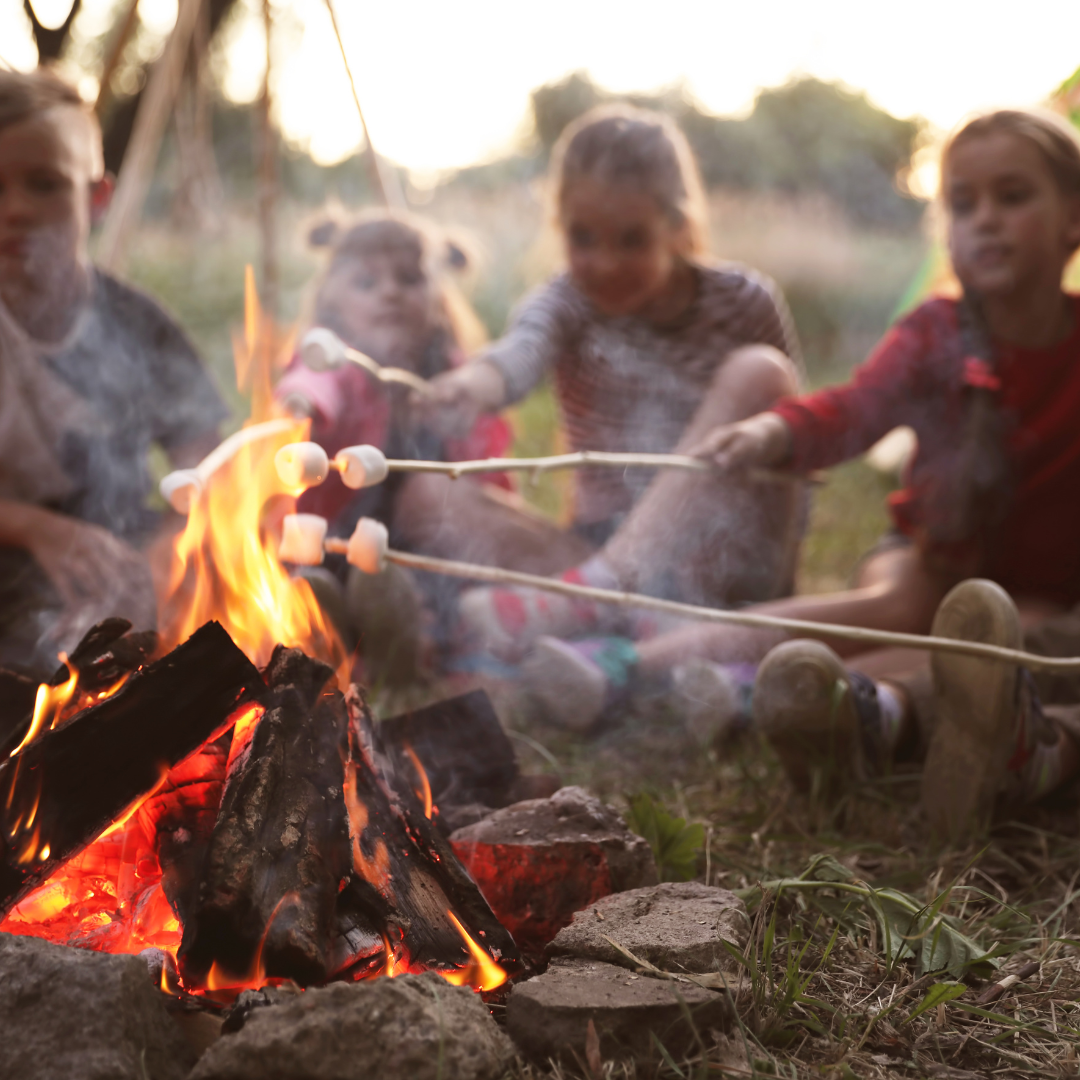
    • Campfires and storytelling
    • Night games and team activities
    • Leadership opportunities
    • Group bonding experiences

    Overnight camp creates a fully immersive environment that encourages independence, resilience, and strong friendships.


    Benefits of Day Camp

    1. Ideal for First-Time Campers

    Day camp is often the perfect introduction to camp life. Children can experience the excitement of camp while still returning home to familiar surroundings each night. This helps ease anxiety for both children and parents, especially if camp is a new experience.

    Starting with day camp allows children to build confidence gradually before considering overnight options in the future.

    2. Familiar Routines Provide Comfort

    Returning home each evening offers a sense of stability. Children can:

    • Sleep in their own bed
    • Maintain family routines
    • Stay connected with parents and siblings

    This balance of independence and comfort helps children feel safe while exploring new experiences.

    3. Flexible Scheduling for Families

    Day camps often provide flexible scheduling options. Parents can choose specific weeks, coordinate around vacations, and maintain regular summer routines. This flexibility makes day camp a practical option for busy families.

    4. More Budget-Friendly

    Day camps are typically more affordable than overnight camps. Without accommodation and meal costs, families can access enriching summer experiences at a lower cost.


    Benefits of Overnight Camp

    1. Rapid Growth in Independence

    Overnight camp offers one of the strongest boosts to independence. Children learn how to:

    • Manage daily routines on their own
    • Take responsibility for personal belongings
    • Solve problems without immediate parental support

    Many parents notice significant confidence growth after just one overnight camp session.

    2. Deep Friendships and Strong Community

    Living together creates powerful social bonds. Shared experiences—like meals, activities, and evening traditions—help friendships grow quickly and deeply. Many campers form friendships that last for years.

    3. Fully Immersive Experience

    Overnight camps provide a complete break from everyday routines. Children disconnect from screens, school schedules, and daily distractions. Instead, they immerse themselves in outdoor activities, teamwork, and creative challenges.

    This immersive environment allows children to fully engage and grow.

    4. Accelerated Life Skill Development

    Because children are away from home, they practice life skills constantly, including:

    • Responsibility
    • Teamwork
    • Resilience
    • Time management

    These skills often develop faster in overnight camp settings due to the immersive nature of the experience.


    Signs Your Child May Be Ready for Overnight Camp

    Your child may be ready for overnight camp if they:

    • Enjoy sleepovers with friends or relatives
    • Feel comfortable spending time away from home
    • Show increasing independence
    • Express excitement about staying overnight

    If your child feels unsure, starting with a shorter overnight session—such as a weekend or one-week camp—can help ease the transition.


    When Day Camp Might Be the Better Choice

    Day camp may be the best option if your child:

    • Is younger or new to camp experiences
    • Feels anxious about overnight stays
    • Prefers familiar routines
    • Wants to try camp gradually

    There is no pressure to rush the transition. Many children begin with day camp and move to overnight camp later.


    Can Kids Experience Both?

    Absolutely. Many families combine both options for a balanced summer. For example:

    • Day camp for most of the summer
    • One or two weeks of overnight camp

    This approach allows children to enjoy variety while gradually building independence.


    How to Decide as a Family

    Including your child in the decision helps build excitement and confidence. Ask questions like:

    • What sounds exciting about camp?
    • Do you feel ready to stay overnight?
    • What activities interest you most?

    When children feel involved, they are more likely to feel comfortable and enthusiastic about the experience.


    Final Thoughts

    Both day camp and overnight camp offer incredible opportunities for growth, friendship, and lifelong memories. There is no single “better” option—only the right fit for your child and family.

    Whether your child comes home each evening or stays away for weeks, summer camp can become one of the most rewarding and memorable parts of their year.

  • Why Summer Camp Is One of the Best Investments in Your Child’s Mental Health

    Why Summer Camp Is One of the Best Investments in Your Child’s Mental Health

    Introduction

    In today’s fast-paced world, parents are increasingly focused on supporting their children’s mental health. Between school pressure, busy schedules, extracurricular commitments, and digital overload, many kids experience stress earlier than ever before. Even elementary-aged children can feel overwhelmed by expectations and constant stimulation.

    Summer camp offers something powerful and increasingly rare: time to slow down, connect, and grow in a supportive environment designed for children. Away from academic pressure and daily routines, kids have the opportunity to recharge emotionally while building skills that support long-term wellbeing.

    Let’s explore how summer camp supports emotional development and why it can be one of the most valuable investments in your child’s mental health.


    Time Away From Academic Pressure

    School can be incredibly rewarding, but it can also be demanding. Tests, homework, grades, and social dynamics can create stress for many children. Even high-achieving students often carry pressure to perform and succeed.

    Summer camp provides a much-needed mental break. Instead of grades and assignments, camp focuses on:

    • Exploration
    • Creativity
    • Play
    • Friendship
    • Discovery

    This break from performance pressure allows children’s minds to rest and reset. When kids feel free to explore without worrying about results, they rediscover joy in learning and trying new things.

    A mental reset during summer can help children return to school feeling refreshed, motivated, and emotionally balanced.


    Outdoor Activity Boosts Mood and Reduces Stress

    One of the strongest benefits of camp is time spent outdoors. Physical activity and sunshine are closely linked to improved mood and mental wellbeing.

    Camp activities like swimming, hiking, sports, and outdoor games help children:

    • Reduce stress hormones
    • Improve sleep quality
    • Increase energy levels
    • Boost happiness and emotional balance

    Nature has a calming effect on the brain. Time outside reduces mental fatigue and encourages mindfulness, curiosity, and creativity.

    Many children spend much of the school year indoors and on screens. Camp offers the opposite—fresh air, movement, and freedom—which can have a powerful impact on emotional health.


    Friendships Reduce Loneliness and Build Belonging

    Strong friendships are essential for emotional wellbeing. Feeling connected to peers helps children develop self-esteem and resilience.

    Camp creates daily opportunities for children to:

    • Meet new friends
    • Work together in teams
    • Share experiences and laughter
    • Build meaningful social connections

    Camp friendships often form quickly because children spend entire days sharing experiences and overcoming challenges together. These bonds can be incredibly strong and long-lasting.

    Children who feel socially connected are more likely to feel confident, secure, and emotionally supported.


    Confidence Helps Reduce Anxiety

    Anxiety often grows when children doubt their abilities or fear failure. Summer camp helps break this cycle by providing a safe space to try new things without pressure.

    At camp, children may try:

    • Climbing walls
    • Performing in talent shows
    • Learning new sports
    • Participating in creative projects
    • Speaking in front of groups

    Each success—no matter how small—builds confidence. When children realize they can handle challenges, their self-belief grows.

    Confidence is one of the strongest protective factors for mental health. Children who believe in themselves are better equipped to manage stress and navigate challenges.


    Camp Encourages Emotional Independence

    Being away from parents, even for short periods, helps children develop emotional independence. This doesn’t mean children feel unsupported—rather, they learn they are capable of managing situations on their own.

    At camp, kids learn to:

    • Solve small problems independently
    • Ask for help when needed
    • Adapt to new environments
    • Make decisions and take responsibility

    These experiences strengthen coping skills and resilience. Children begin to understand that they can handle challenges and recover from setbacks.

    This sense of independence often carries into school, friendships, and future life experiences.


    Reduced Screen Time Improves Emotional Balance

    Today’s children spend more time on screens than any generation before them. While technology has benefits, excessive screen time has been linked to:

    • Sleep disruption
    • Increased anxiety
    • Reduced physical activity
    • Lower attention spans

    Summer camp naturally reduces screen time by filling days with engaging, real-world activities.

    Instead of scrolling or gaming, children spend time:

    • Playing outdoors
    • Creating art
    • Talking face-to-face with friends
    • Exploring new hobbies
    • Using their imagination

    This digital detox can dramatically improve mood, sleep, and emotional regulation.


    A Sense of Belonging and Support

    Camp communities are designed to be inclusive and supportive. Children often feel accepted and valued for who they are, which contributes to a strong sense of belonging.

    Feeling part of a positive community helps children:

    • Build self-esteem
    • Feel emotionally safe
    • Develop empathy
    • Gain confidence in social settings

    Belonging is a fundamental human need, and camp environments are uniquely suited to foster it.


    Long-Term Emotional Benefits

    The mental health benefits of camp don’t end when summer ends. Many children return home with:

    • Increased confidence
    • Improved social skills
    • Greater independence
    • Stronger resilience
    • Happier outlooks

    These emotional skills continue to support children throughout the school year and beyond.


    Final Thoughts

    Summer camp is far more than a fun seasonal activity—it’s a powerful investment in your child’s emotional wellbeing. By providing friendships, outdoor activity, independence, and reduced screen time, camp supports mental health in ways that last long after summer ends.

    Children return home happier, more confident, and emotionally stronger—ready to take on the world with renewed energy and resilience.

  • How Summer Camps Prevent Summer Learning Loss in Kids

    How Summer Camps Prevent Summer Learning Loss in Kids

    Introduction

    Every summer, many parents notice the same challenge: skills fade during the long break from school. Reading slows down, math feels harder, and daily routines disappear. This phenomenon is commonly called summer learning loss or the “summer slide.”

    Research has shown that children can lose months of academic progress during summer vacation if they are not mentally engaged. While summer is meant to be a time of rest and play, a complete break from structured thinking can make the return to school more stressful and overwhelming in September.

    The good news? Summer camp offers a powerful and enjoyable way to prevent this. Camp doesn’t feel like school—but it quietly keeps kids learning all summer long.


    What Is Summer Learning Loss?

    Summer learning loss refers to the decline in academic skills that occurs when children are away from structured learning for extended periods. Without regular practice, the brain naturally forgets and deprioritizes certain skills.

    Common effects include:

    • Reduced reading fluency and comprehension
    • Weaker math skills and slower problem-solving
    • Lower focus and attention span
    • Difficulty returning to school routines and expectations

    These changes can create a noticeable gap between where students ended the school year and where they begin the next one. Teachers often spend the first weeks of the school year reviewing old material, which can delay new learning.

    Preventing this learning gap is one of the biggest reasons families look toward educational summer camps.


    Why Camp Is a Powerful Solution

    Summer camps provide the perfect balance between fun and learning. Unlike traditional classrooms, camp environments emphasize exploration, creativity, and hands-on experiences.

    Camp provides:

    • Structured daily schedules
    • Brain-engaging activities
    • Social learning opportunities
    • Creative exploration and discovery

    Children stay mentally active without feeling pressured or stressed. Instead of worksheets and tests, they learn through experiences—one of the most effective ways to build long-term memory and understanding.

    This approach makes camps a top strategy for summer brain drain prevention.


    Learning Through Hands-On Experiences

    Camp learning looks different from school learning—and that’s exactly why it works so well.

    Children learn through:

    • Science experiments and STEM projects
    • Building challenges and engineering tasks
    • Outdoor exploration and nature discovery
    • Team competitions and problem-solving games
    • Creative arts, drama, and music

    Hands-on learning improves retention because children actively participate instead of passively listening. When kids experiment, build, and explore, they use multiple parts of the brain at once. This strengthens memory pathways and deepens understanding.

    In many ways, camp transforms learning into an adventure.


    Reading and Communication Skills Stay Strong

    One of the biggest academic losses during summer is reading ability. Without regular practice, fluency and comprehension can decline quickly.

    At camp, kids constantly practice communication and literacy skills through everyday activities such as:

    • Reading schedules or activity plans
    • Listening to instructions
    • Writing signs, journals, or creative stories
    • Sharing ideas during group discussions
    • Presenting projects or performances

    These small daily interactions keep language and reading skills active without feeling like homework.

    Children often return to school more confident in their communication abilities after spending the summer in socially rich environments.


    Math and Problem-Solving in Real Life

    Many kids forget math skills faster than reading during summer break. Camp helps prevent this by integrating math into real-life activities.

    Campers naturally use math skills when they:

    • Measure ingredients during cooking activities
    • Track scores in sports and games
    • Plan schedules and manage time
    • Build structures or complete STEM challenges
    • Solve puzzles and strategic team games

    Because math appears in fun, real-world contexts, children develop confidence and practical problem-solving skills.

    They don’t feel like they’re “doing math”—they’re simply solving challenges.


    Social Learning Is Real Learning

    Academic growth isn’t the only learning that matters. Social and emotional development plays a huge role in school success.

    Summer camps strengthen emotional intelligence and life skills such as:

    • Teamwork and collaboration
    • Leadership and responsibility
    • Conflict resolution
    • Empathy and communication
    • Confidence and independence

    These skills help children thrive in classrooms, group projects, and friendships. In fact, many educators believe social learning is just as important as academic learning.

    Kids who develop strong social skills often transition back to school more smoothly and confidently.


    Routine Helps Kids Transition Back to School

    Another hidden benefit of camp is structure. During summer, many children lose daily routines like wake-up times, structured activities, and consistent schedules.

    Camps provide:

    • Regular morning routines
    • Planned activity blocks
    • Breaks and social time
    • Consistent expectations

    Maintaining structure helps children stay mentally prepared for the return to school. Instead of a sudden shift in September, the transition feels natural and familiar.

    This makes the back-to-school period less stressful for both kids and parents.


    Confidence and Curiosity Grow

    When children spend summer exploring new activities, they discover new interests and abilities. Whether it’s coding, sports, art, science, or leadership, camp encourages kids to try new things in a supportive environment.

    This builds:

    • Curiosity and love of learning
    • Confidence in their abilities
    • Motivation to participate in school
    • A positive attitude toward challenges

    Kids return to school energized, curious, and ready to learn.


    Final Thoughts

    Summer should be fun—but it doesn’t have to mean losing academic progress. Educational summer camps provide the perfect balance of play and learning, keeping children mentally engaged while still feeling like a true break.

    From reading and math to social skills and confidence, camp helps children grow in ways that classrooms alone cannot. For families looking to prevent summer learning loss, camp is one of the most effective and enjoyable solutions available.

  • Signs Your Child Is Ready for Summer Camp (And How to Tell)

    Signs Your Child Is Ready for Summer Camp (And How to Tell)

    Introduction

    Many parents ask the same question each year as summer approaches: Is my child ready for summer camp?

    It’s a big milestone, and it’s completely normal to feel unsure about the timing. While age can be a factor, readiness for summer camp is much more about emotional development, independence, and confidence. Some children feel ready at a young age, while others need more time before they feel comfortable in a camp environment.

    Understanding the signs of readiness can help you choose the right moment to introduce your child to camp and ensure their first experience is positive and enjoyable.


    Why Camp Readiness Matters

    When children attend camp at the right time, the experience can be incredibly rewarding. Kids who are ready for camp typically:

    • Adjust more easily to new environments
    • Feel more confident meeting new people
    • Enjoy activities without overwhelming anxiety
    • Develop independence successfully

    Sending a child before they feel ready can lead to unnecessary stress, homesickness, or negative feelings about camp. Waiting until the right time helps set the stage for a positive and confidence-building experience.


    Sign #1: Comfort Being Away From Parents

    One of the clearest signs of camp readiness is the ability to spend time away from parents without significant distress.

    Think about your child’s past experiences. Do they feel comfortable during:

    • Sleepovers at a friend or relative’s home?
    • School field trips?
    • Playdates or extracurricular activities?

    Children who can separate from parents and still feel safe and secure are often more prepared for camp. This doesn’t mean they won’t miss home—it simply means they can manage those feelings while still enjoying new experiences.


    Sign #2: Basic Self-Care Skills

    Campers don’t need to be completely independent, but basic self-care skills make camp smoother and more enjoyable.

    Look for children who can:

    • Get dressed independently
    • Manage bathroom routines
    • Follow simple instructions
    • Keep track of personal belongings

    These everyday skills help children feel capable and confident while navigating camp routines.


    Sign #3: Curiosity About New Experiences

    Children who show curiosity and excitement about new activities often adapt well to camp.

    Listen for phrases such as:

    • “That sounds fun!”
    • “I want to try that.”
    • “Can I go to camp too?”

    Excitement is one of the strongest indicators of readiness. When children feel curious about camp, they are more likely to approach the experience with a positive mindset.


    Sign #4: Ability to Follow Group Routines

    Camp life involves structured schedules, group activities, and teamwork.

    Children who can:

    • Follow daily routines
    • Listen to instructions from teachers or coaches
    • Participate in group activities

    are usually ready to thrive in a camp environment. School and extracurricular activities often provide helpful preparation for these skills.


    Sign #5: Ability to Handle Small Challenges

    Camp introduces children to new situations and small challenges every day.

    Look for children who can:

    • Try again after making mistakes
    • Ask for help when needed
    • Manage minor frustrations

    Resilience is an important part of camp readiness. Campers don’t need to be fearless—they just need to be willing to try.


    Sign #6: Interest in Making Friends

    Camp is a highly social environment. Children who enjoy meeting peers and playing in groups often adapt well.

    If your child:

    • Enjoys group play
    • Talks about making new friends
    • Participates in team activities

    they are likely ready to benefit from the social side of camp.


    Preparing Children Who Are Almost Ready

    If your child seems close to being ready but still feels unsure, there are many ways to help prepare them.

    You can:

    • Encourage independence at home by assigning small responsibilities
    • Arrange playdates or sleepovers to practice time away from home
    • Talk positively and enthusiastically about camp
    • Start with shorter day camps or single-week programs

    Preparation can make a huge difference in helping children feel confident and excited.


    There Is No Perfect Age

    One of the most important things to remember is that there is no universal “right age” for summer camp.

    Some children feel ready at age five, while others may feel more comfortable starting later. Emotional readiness and genuine excitement matter far more than age alone.

    Every child develops at their own pace, and that’s perfectly okay.


    Final Thoughts

    Summer camp is a big milestone, both for children and parents. When children are emotionally ready, camp becomes an exciting adventure rather than a stressful experience.

    Trust your instincts, watch for the signs of readiness, and remember that camp is a journey that can begin at the right time for your child. When the timing is right, summer camp can become one of the most rewarding and confidence-building experiences of childhood.